








Poufs
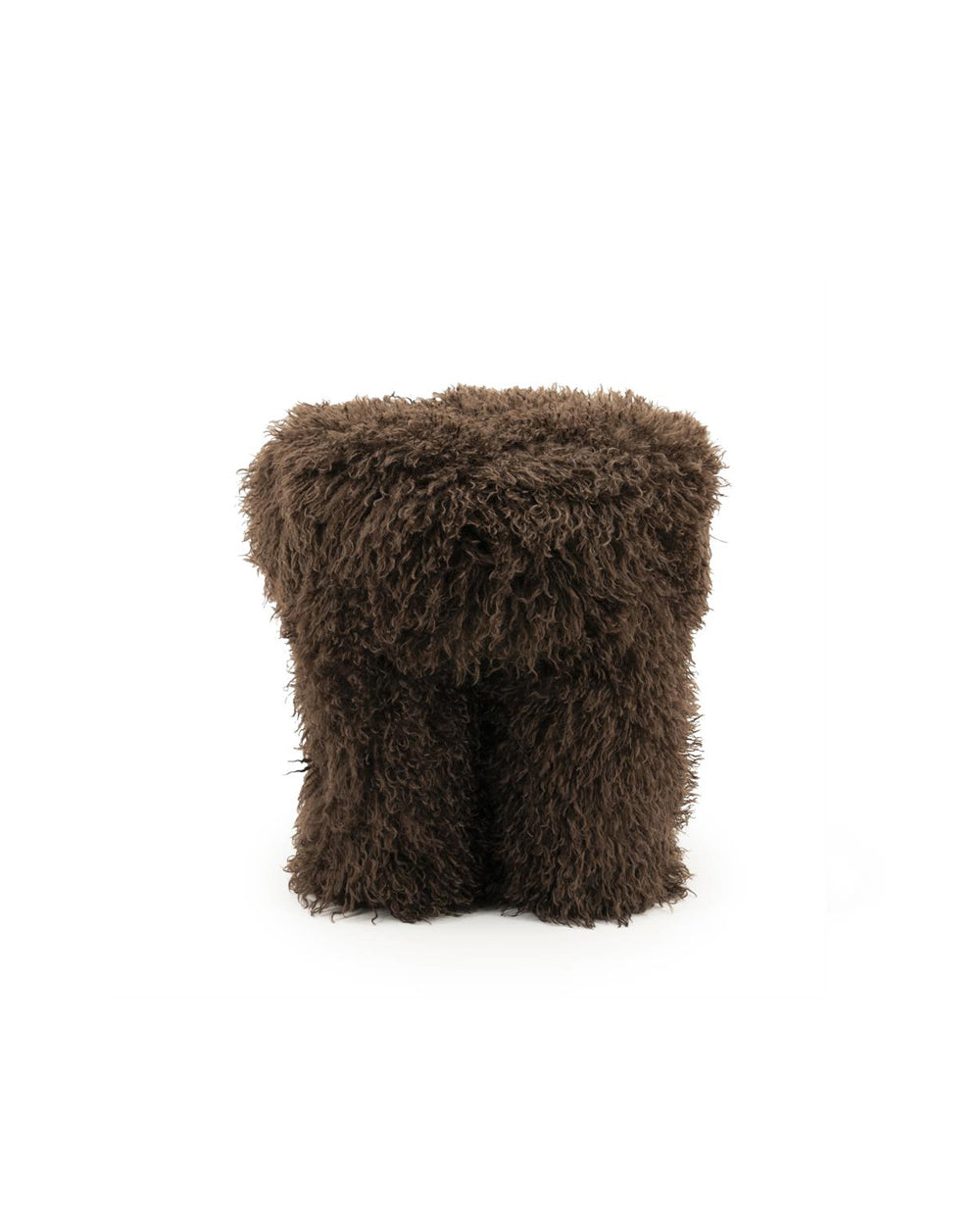
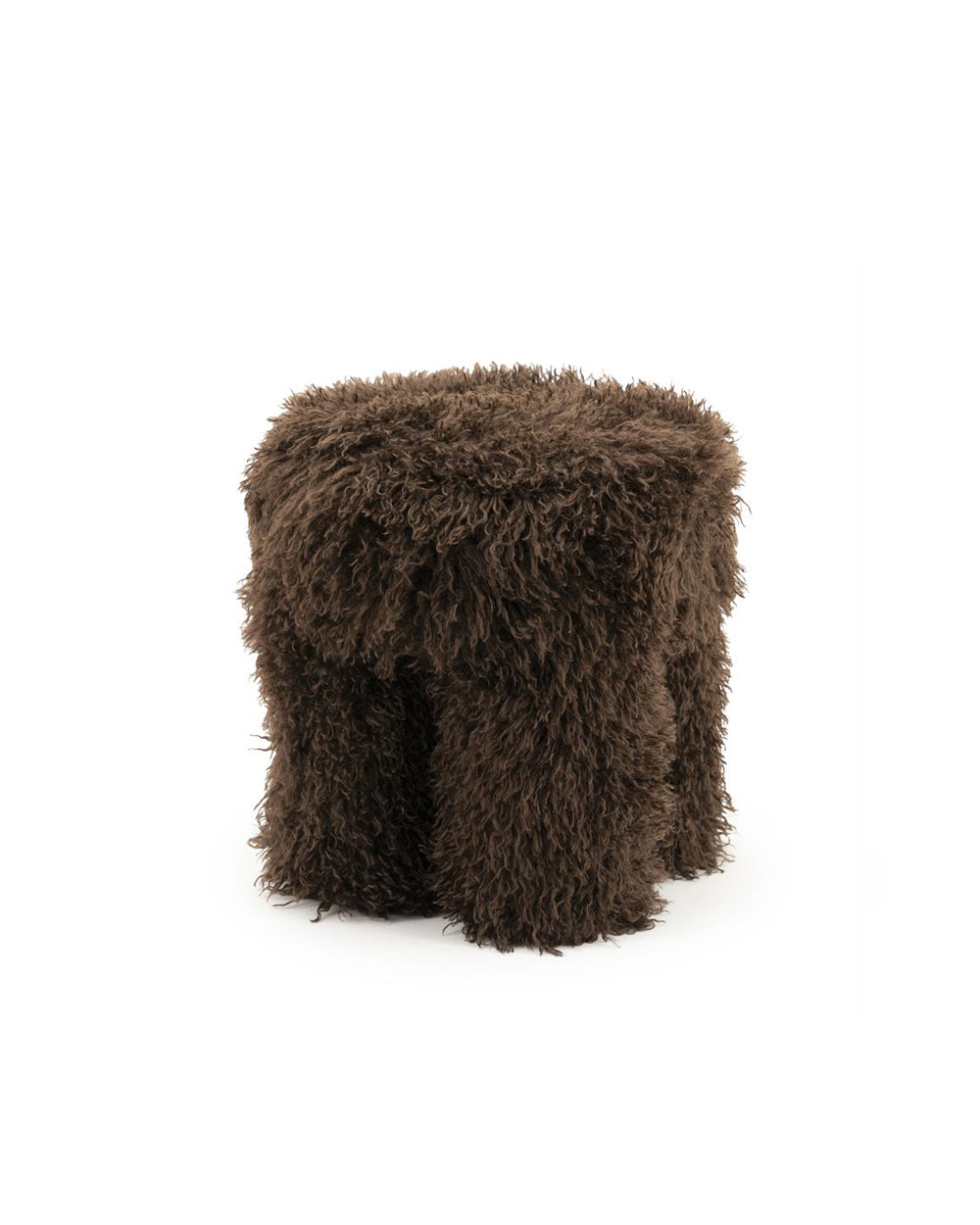
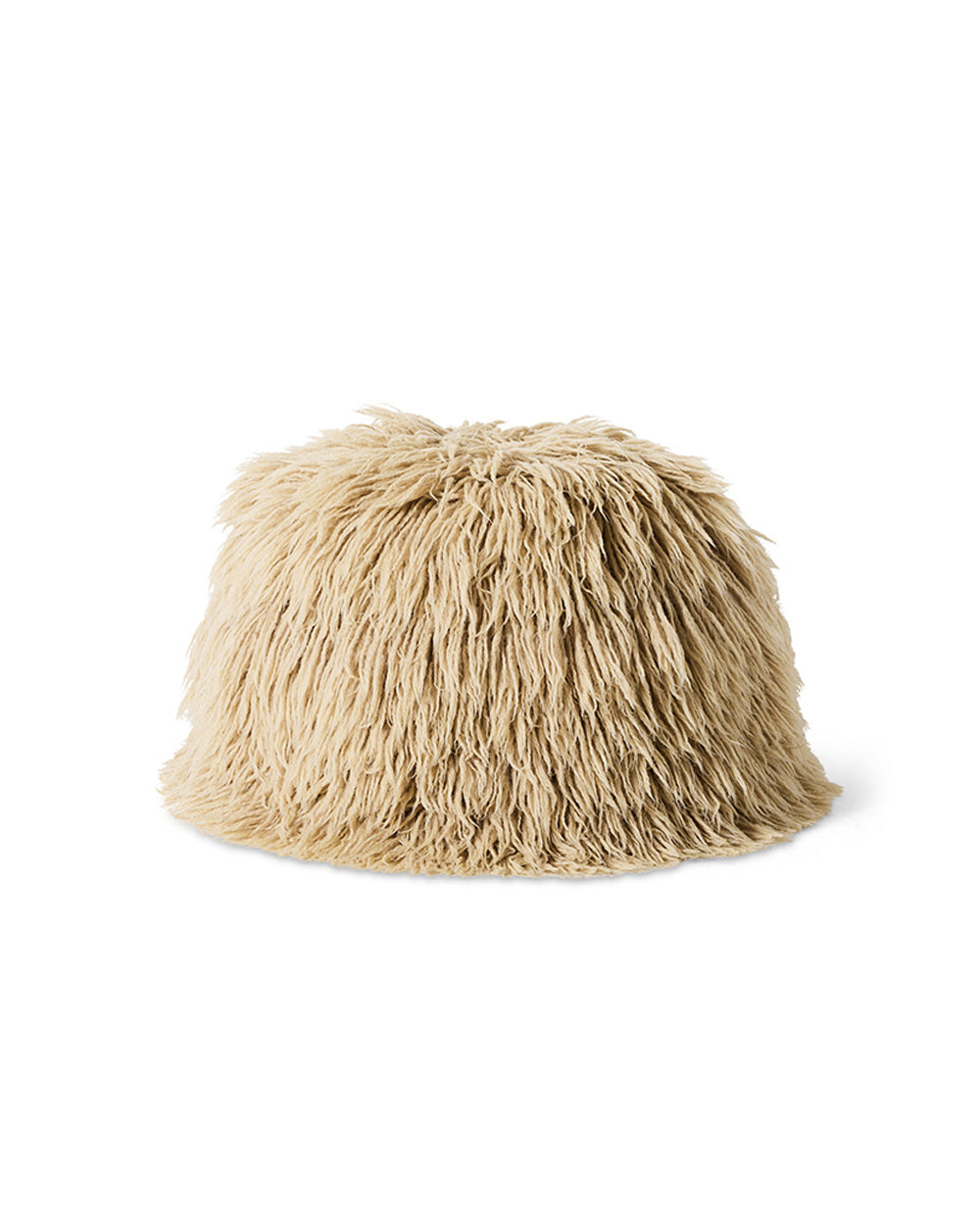
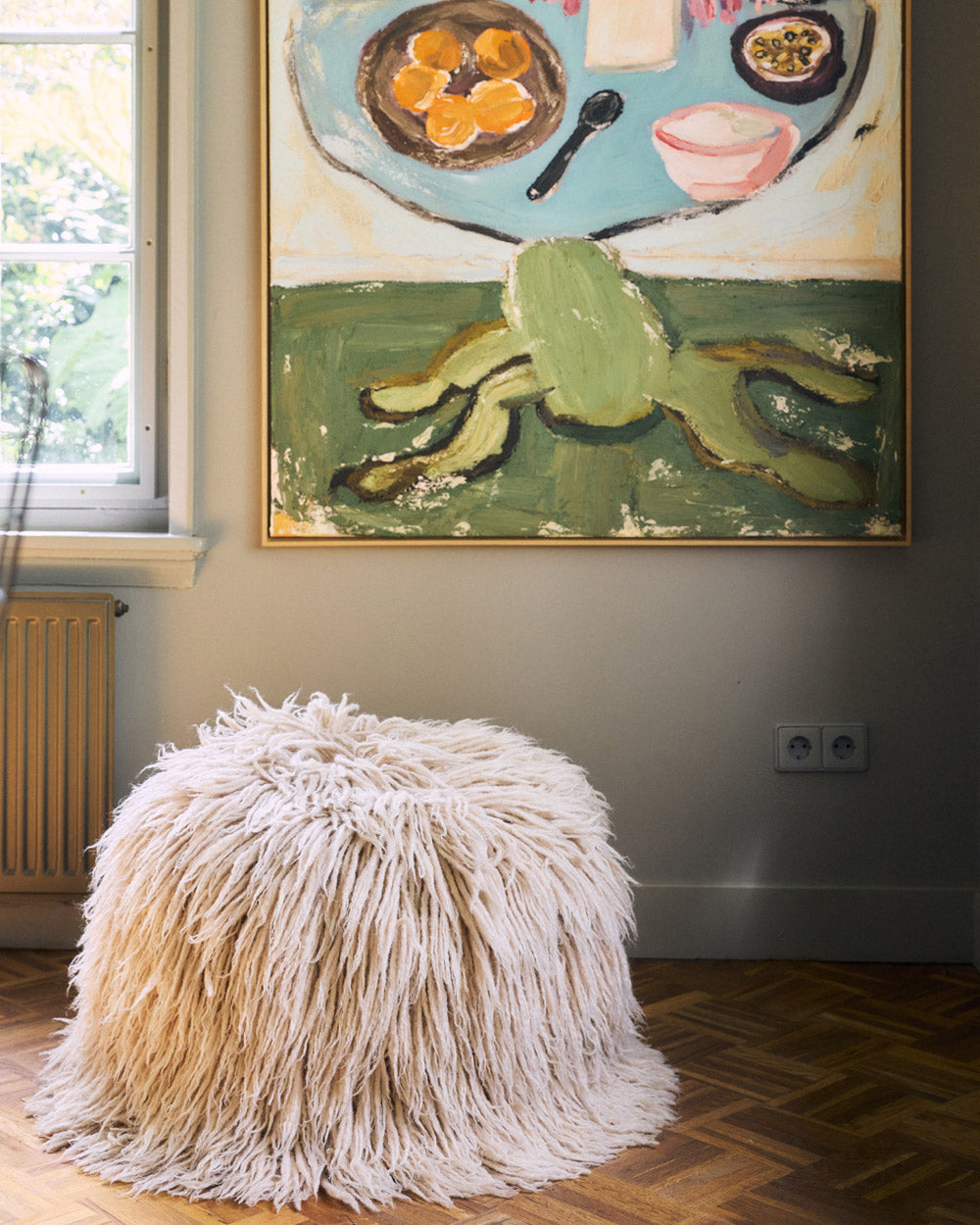
At Vallgatan 12, a curated selection of Pouffes brings together designs created to provide flexible seating and complement the home's other Furniture. The range extends from compact round and cylindrical pouffes to square, rectangular, and more sculptural models, with varying heights, fillings, and textile expressions. Their compact format makes a pouffe useful as an extra seat, footrest, or standalone piece of Furniture in living rooms, bedrooms, hallways, and other parts of the interior.
Pouffes differ from traditional chairs and armchairs in that they usually lack both backrests and armrests. This construction creates an open seating position and makes the Furniture easy to place alongside, for example, a sofa, armchair, or another seating group. Smaller models can easily be moved as needed, while larger pouffes may have a more permanent position and function as a central element in the furnishings.
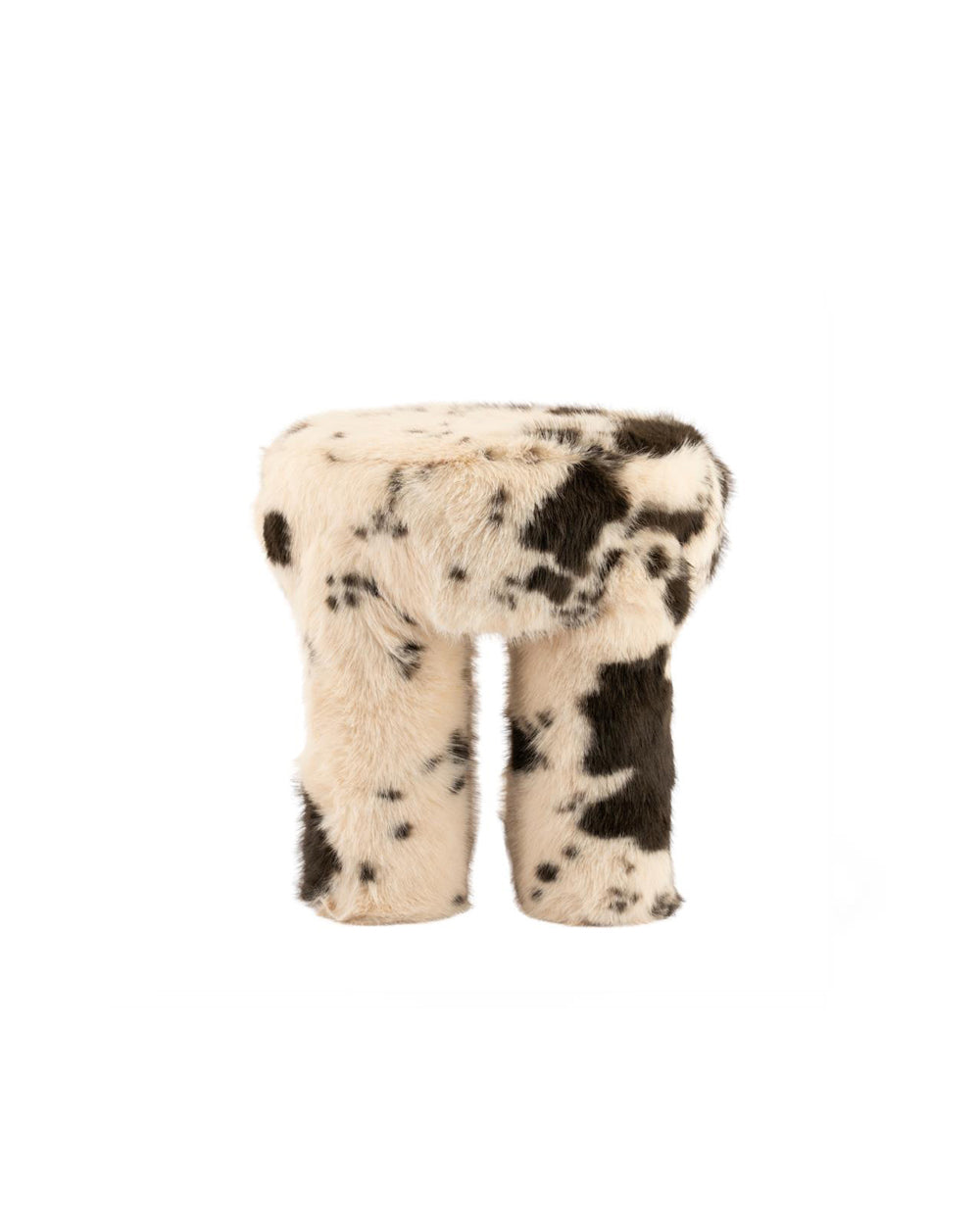
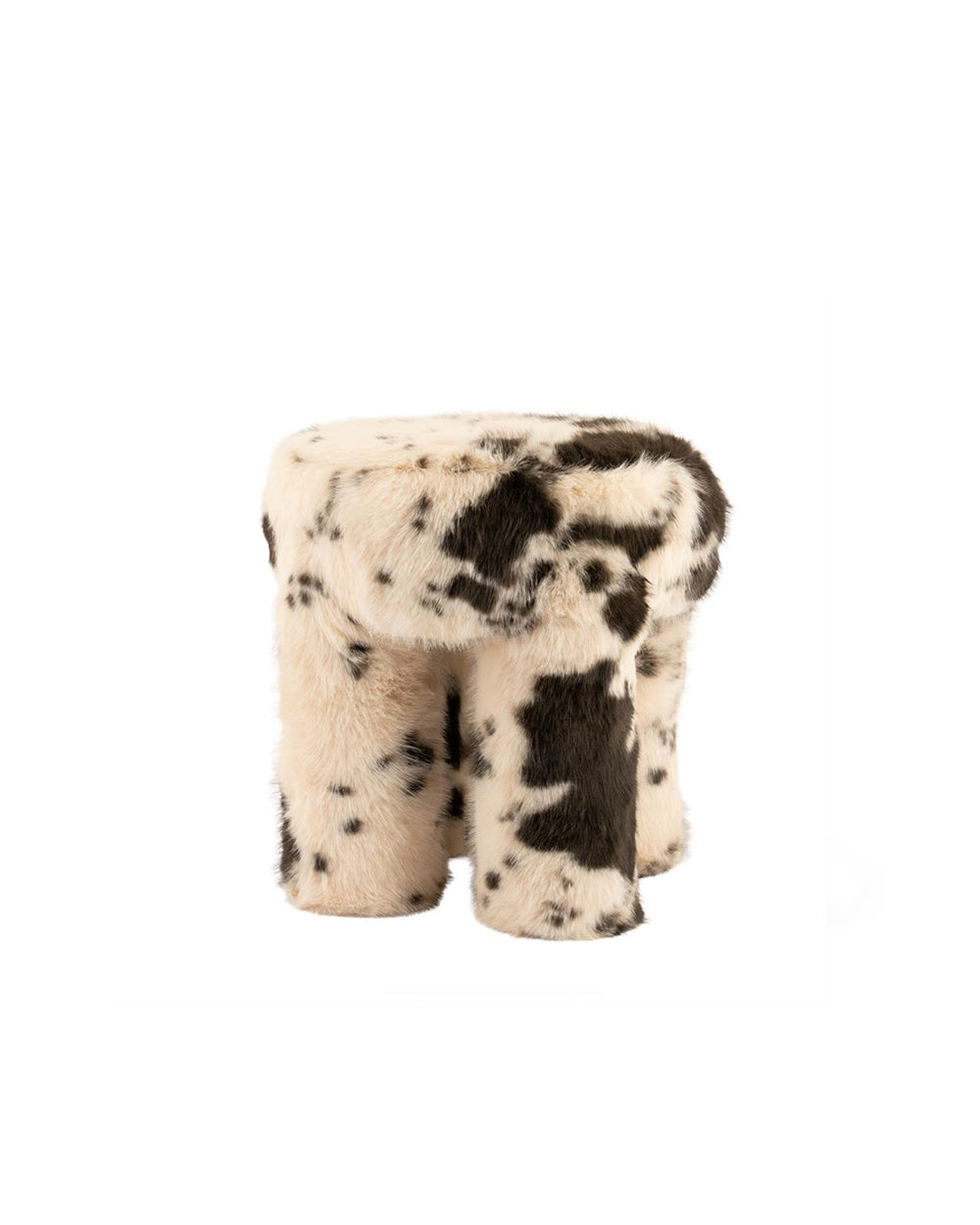
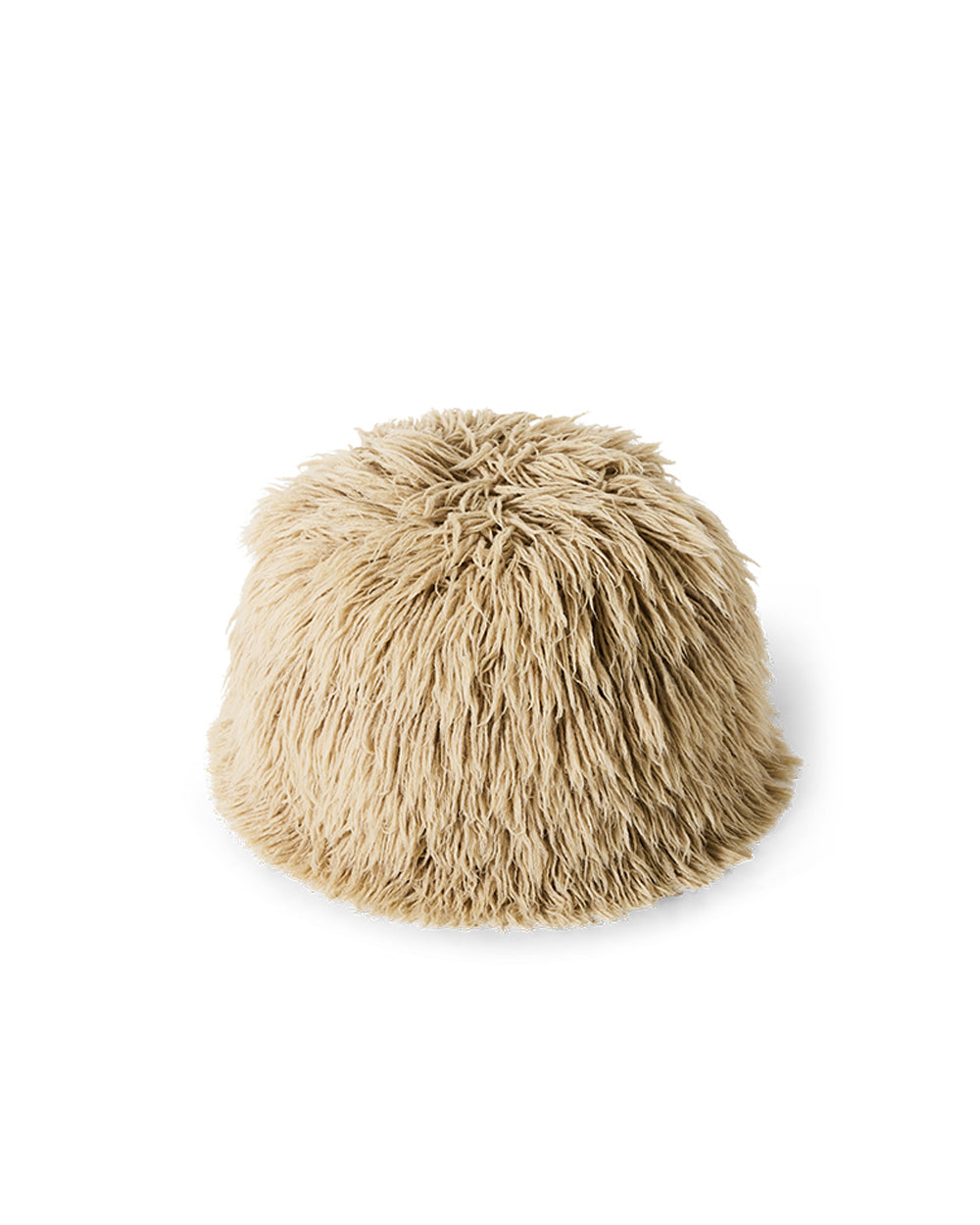
Round and cylindrical pouffes have a soft, continuous silhouette and lack a clearly defined front or back, making them flexible to position. Square and rectangular models have more defined lines and can be placed parallel to sofas, walls, and other Furniture. Organic and asymmetrical shapes also occur and may have a more sculptural construction in which the form itself becomes a clear part of the interior.
The height and dimensions of a pouffe affect how it can be used. A model primarily intended as an extra seat needs to have a height and stability that provide a functional seating position, while a lower pouffe may be better suited as a footrest in front of an armchair or sofa. Larger models offer a more generous surface and can be used by several people, depending on their construction and stated load capacity.
Some pouffes can also be used as a soft surface for placing items, but this depends on the model's construction and stability. A firm, flat top offers different possibilities than a softly padded or rounded surface. If the pouffe is used with a tray, the surface should be sufficiently stable for that purpose. Furniture not explicitly designed as tables should not be loaded with heavy or unstable objects.
The filling has a major impact on both comfort and shape. Polyurethane foam is often used in pouffes and is available in different densities and firmnesses. Foam can be combined with fibre, feathers, down, or other filling materials to create a softer surface. Firmer filling usually provides a more defined shape and stable seating surface, while softer fillings conform more closely to the body and may need to be plumped or adjusted after use.
Some softer pouffes lack a traditional rigid frame and instead derive their shape from the filling. Filling such as foam fragments, fibre, or beads makes the construction more flexible and allows the pouffe to adapt to the load. Other models are built around a stable frame of wood or wood-based materials, which is then covered with padding and upholstery. This type of construction usually creates a more defined and shape-stable piece of Furniture.
Furniture Textiles may consist of wool, cotton, linen, polyester, polyamide, viscose, and other fibres or blends. Fibre composition, weaving technique, and surface texture affect the fabric's feel, durability, and care requirements. For pouffes used regularly, the fabric's resistance to abrasion is also relevant. Durability may, among other things, be indicated by a Martindale value, which describes the material's result in a standardised abrasion test.
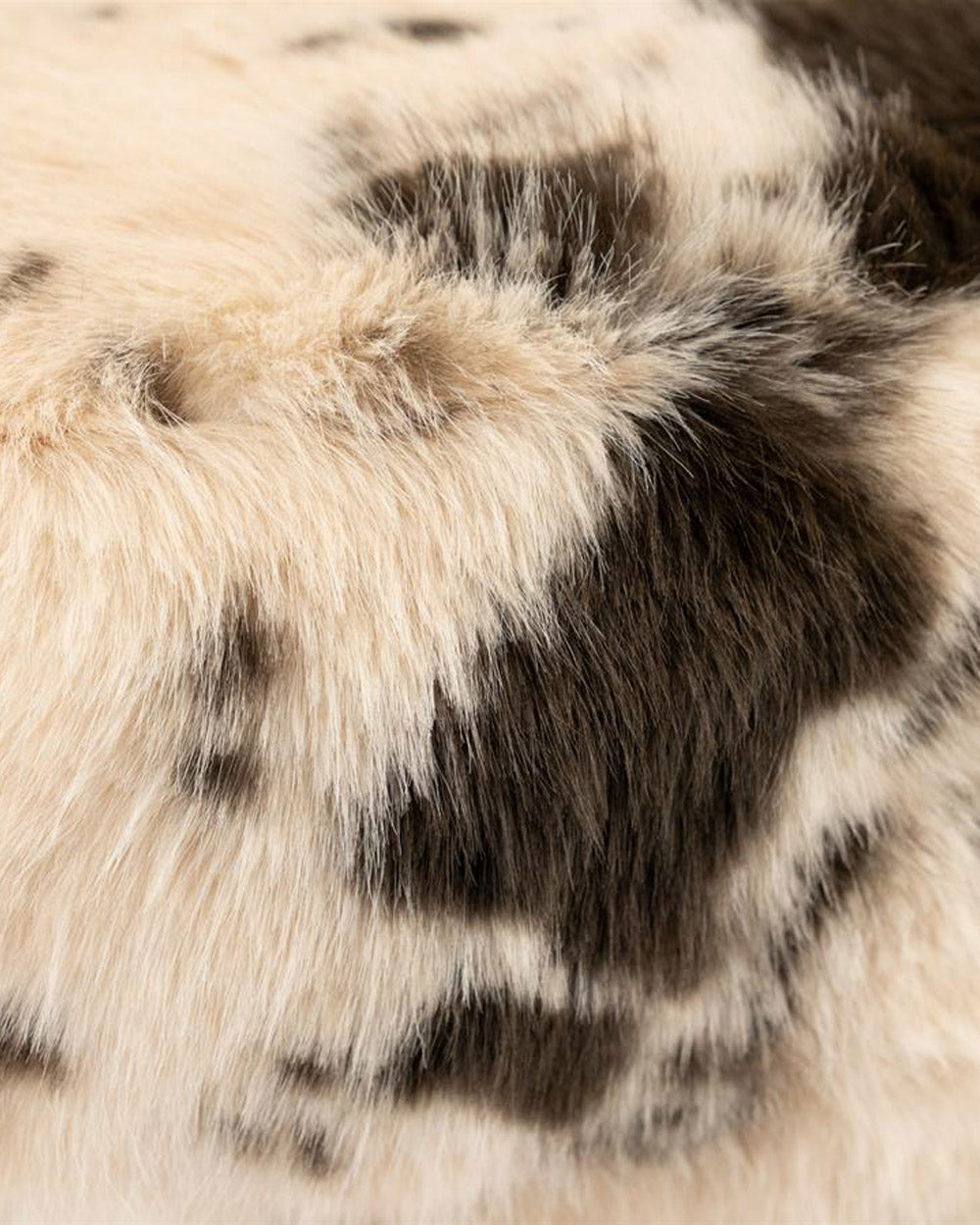
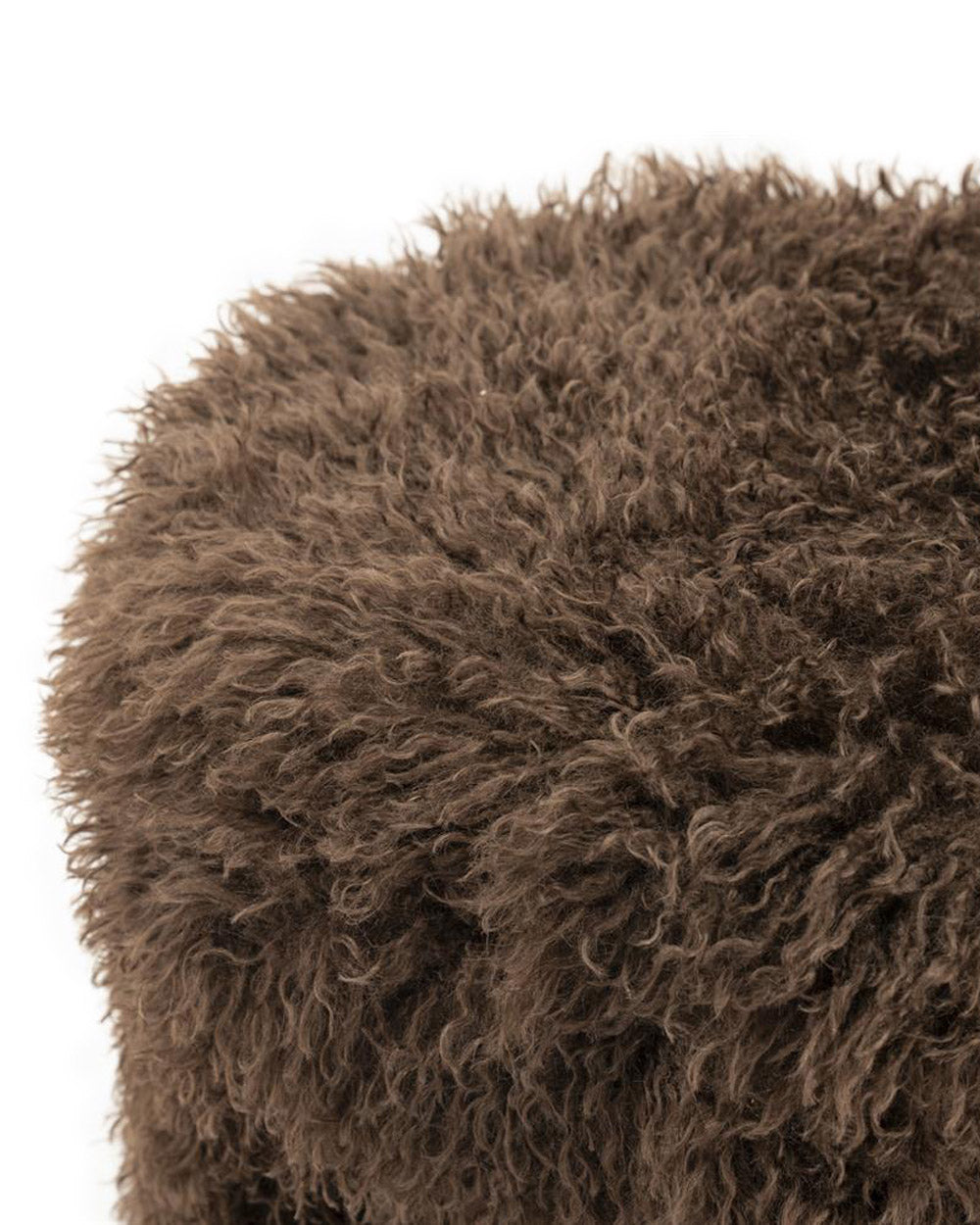
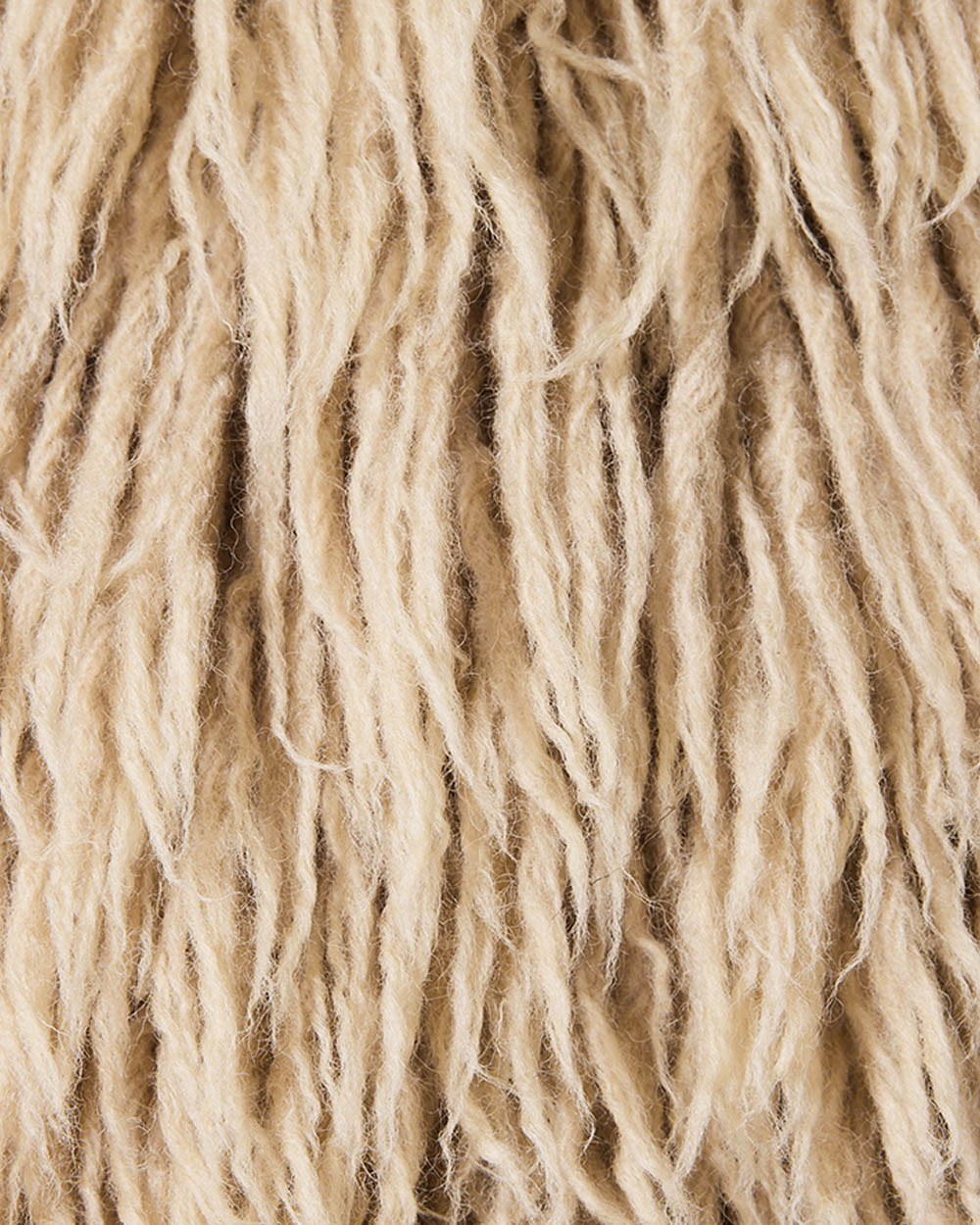
Bouclé, velvet, chenille, and other textured Textiles are often used on upholstered pouffes. Bouclé is characterised by its looped and varied surface, while velvet has a pile that reflects light differently depending on the direction of the fibres. Weaves in wool and other natural fibres provide further variation in texture, while synthetic fibres are often blended in to affect properties such as abrasion resistance and shape stability.
leather is used on both soft and more structured pouffes. The properties of the material vary depending on tanning and surface treatment. Aniline leather has a less covering finish in which the hide's natural structure is clearly visible, while more heavily treated types of leather have stronger surface protection. Since leather is a natural material, variations in texture and tone may occur, and the surface may develop a patina over time.
Knitted and braided surfaces also appear on pouffes. Coarse textile textures, rope, and other braided materials may form the entire outer cover or be used as decorative details. How the material is tensioned and attached around the filling or frame affects both the pouffe's shape and how the surface changes with use.
On pouffes with a rigid frame, the base may be completely concealed by the upholstery or consist of visible legs, a plinth, or a frame. Wood and metal are often used in the supporting parts. Small Furniture feet can create a discreet gap between the pouffe and the floor, while a fully upholstered construction extending to floor level creates a more cohesive silhouette.
Details such as seams, piping, quilting, and buttons can be used to shape the padding and emphasise the pouffe's proportions. Deep seams and quilting can keep the filling in place and create a clearer division of the surface. Handles appear on some smaller models and make them easier to move between different parts of the room. Removable upholstery is available on some pouffes and can simplify maintenance, but whether it can be washed depends on the material and the manufacturer's instructions.
Pouffes are used all year round and can easily be adapted when a room's function changes. In the living room, they can complement a sofa or armchair as an extra seat or footrest, while in bedrooms and hallways they can function as compact seating. Since many models are relatively light and lack backrests, they can be moved between different furnishing zones as needed. Models intended for indoor use should not be used outdoors unless this is expressly stated by the manufacturer.
Direct sunlight can affect Textiles and leather over time through fading or changes to the surface. Furniture upholstered in natural materials should also be positioned with consideration for radiators and other strong heat sources. Uneven or prolonged pressure on the same part of a softly padded pouffe can affect its shape, making it relevant to vary its use when the construction allows this.
Proper care helps preserve the pouffe's shape and upholstery. Textiles should be vacuumed regularly with a soft attachment, and spills should be treated as soon as possible according to the material's specific care instructions. Soft models may need to be plumped and reshaped after use to distribute the filling evenly. leather should be cleaned and cared for with products suited to the specific type of leather. Removable covers should only be washed or dry-cleaned when the manufacturer's instructions permit this.
Vallgatan 12's selection of Pouffes includes models in which compact formats, padding, and material create flexible complements to the home's seating Furniture. From round and cylindrical pouffes to rectangular, generously padded, and more sculptural forms, the range offers varying sizes, textures, and constructions for extra seating, footrests, and flexible furnishing.