












Storage
At Vallgatan 12, a curated selection of storage furniture and shelving systems brings together function, material and proportions in harmony with the interior. The range includes cabinets, display cabinets, sideboards, bookcases, shelving systems and other larger storage solutions for living rooms, bedrooms, hallways, home offices and other areas of the home. Storage can be fully enclosed, open or combine both functions, depending on what needs to be stored and how the furniture is to be integrated into the room.
Cabinets and sideboards are common models for storing items that do not need to be visible. Cabinets may have hinged doors, sliding doors or other closing solutions and may be built with fixed or adjustable shelves. Sideboards are usually lower and wider and are often placed along a wall, beneath artwork or near a dining area or living room. Display cabinets, on the other hand, combine enclosed storage with glass panels that make it possible to display books, ceramics, glassware or other items.
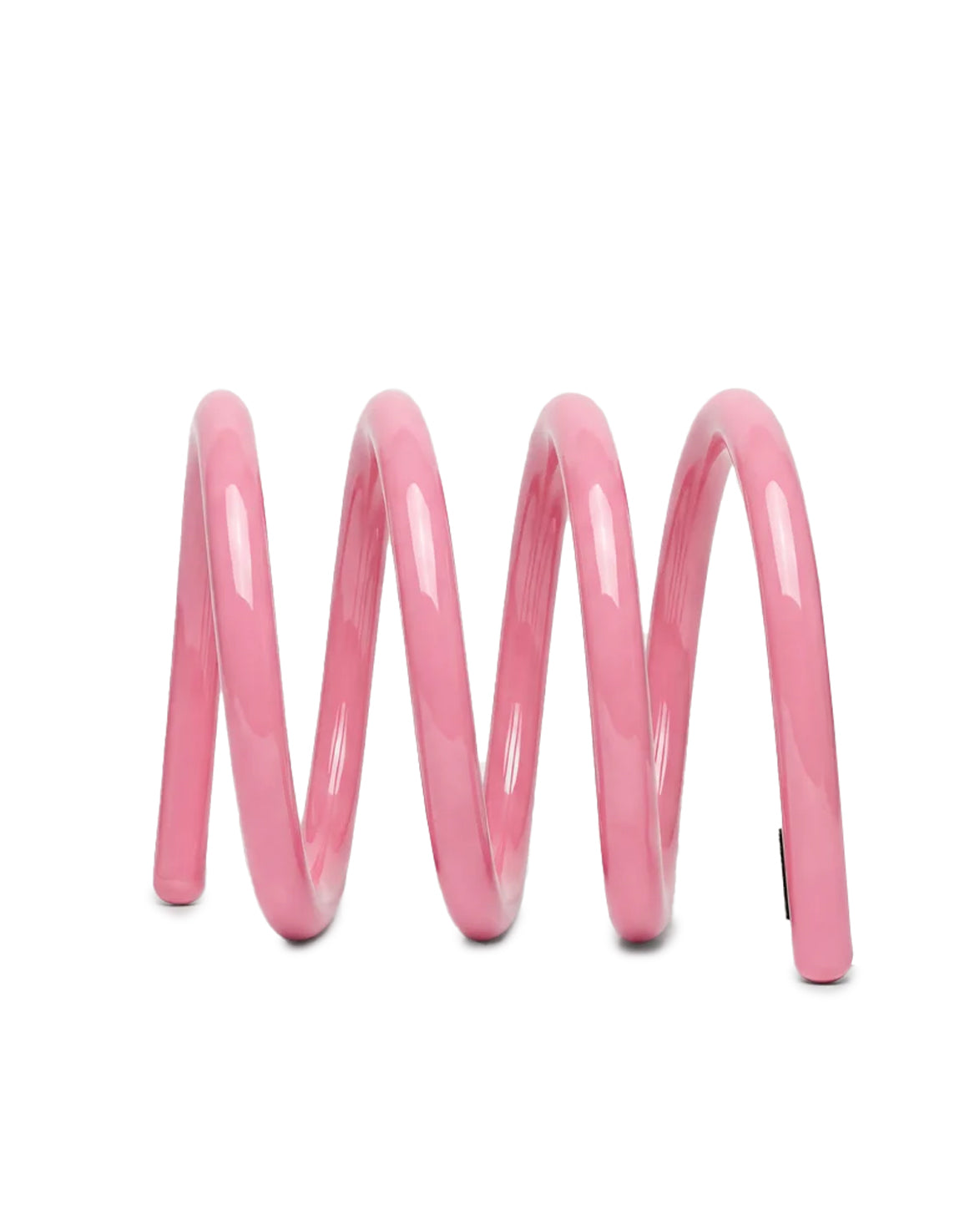
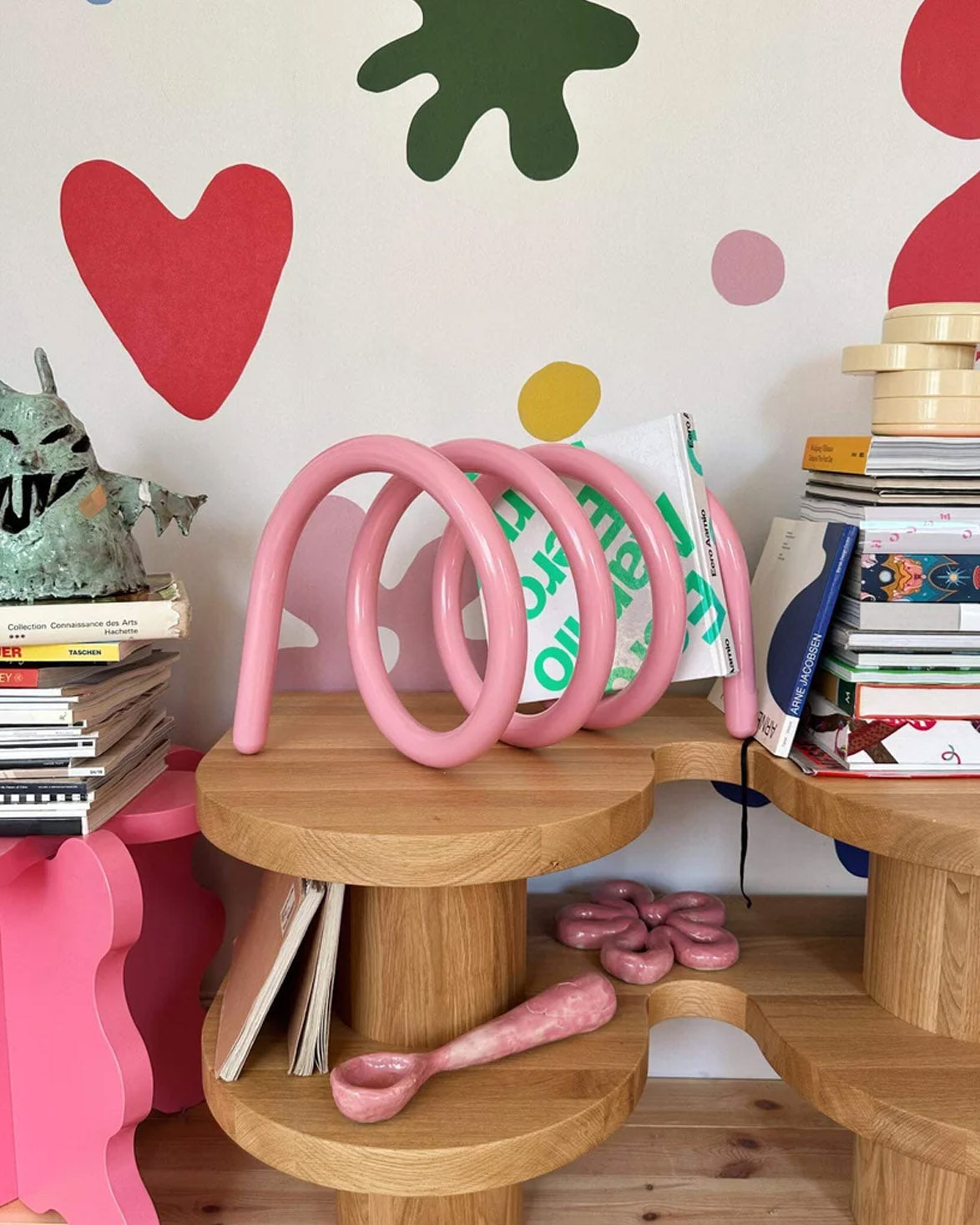
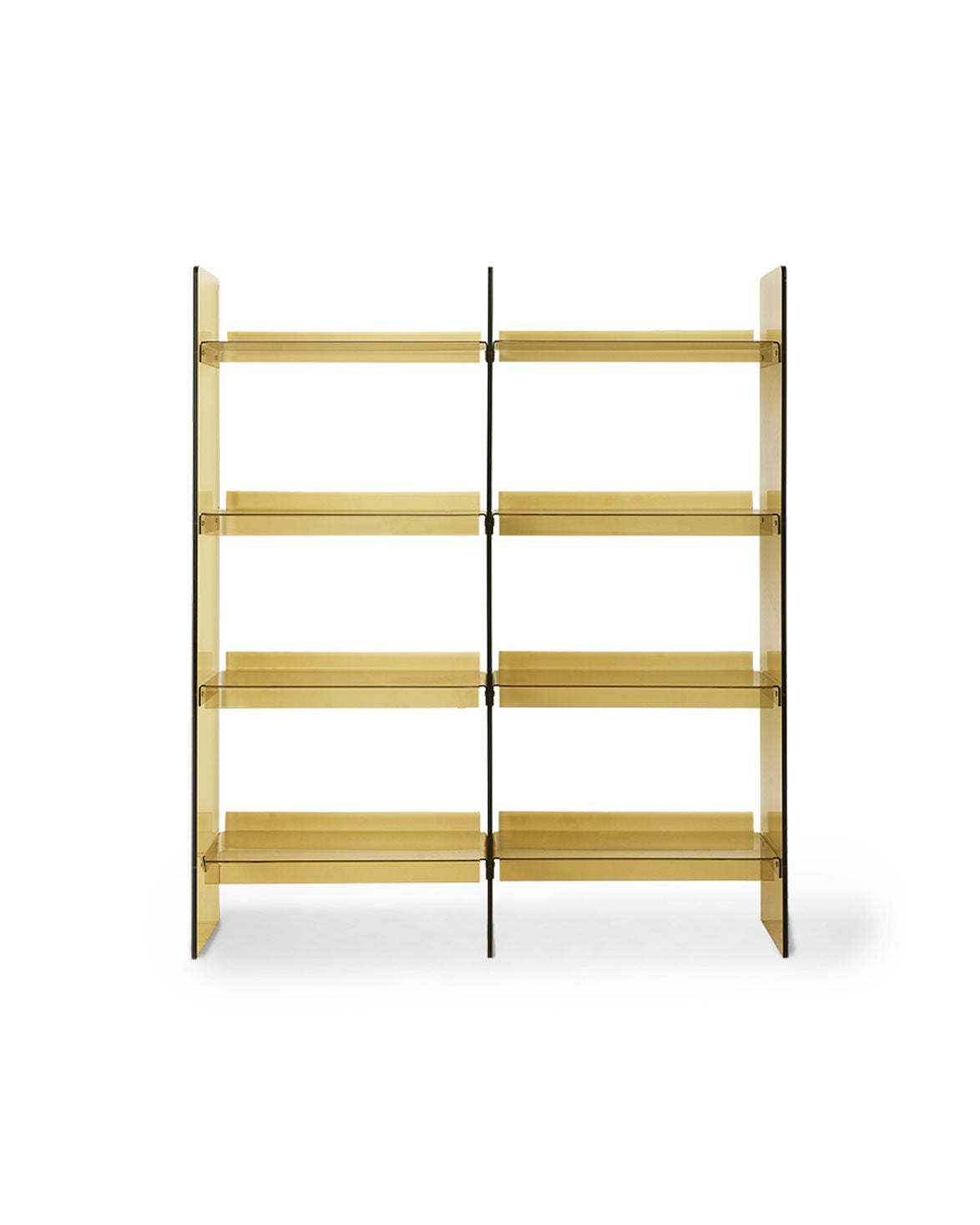
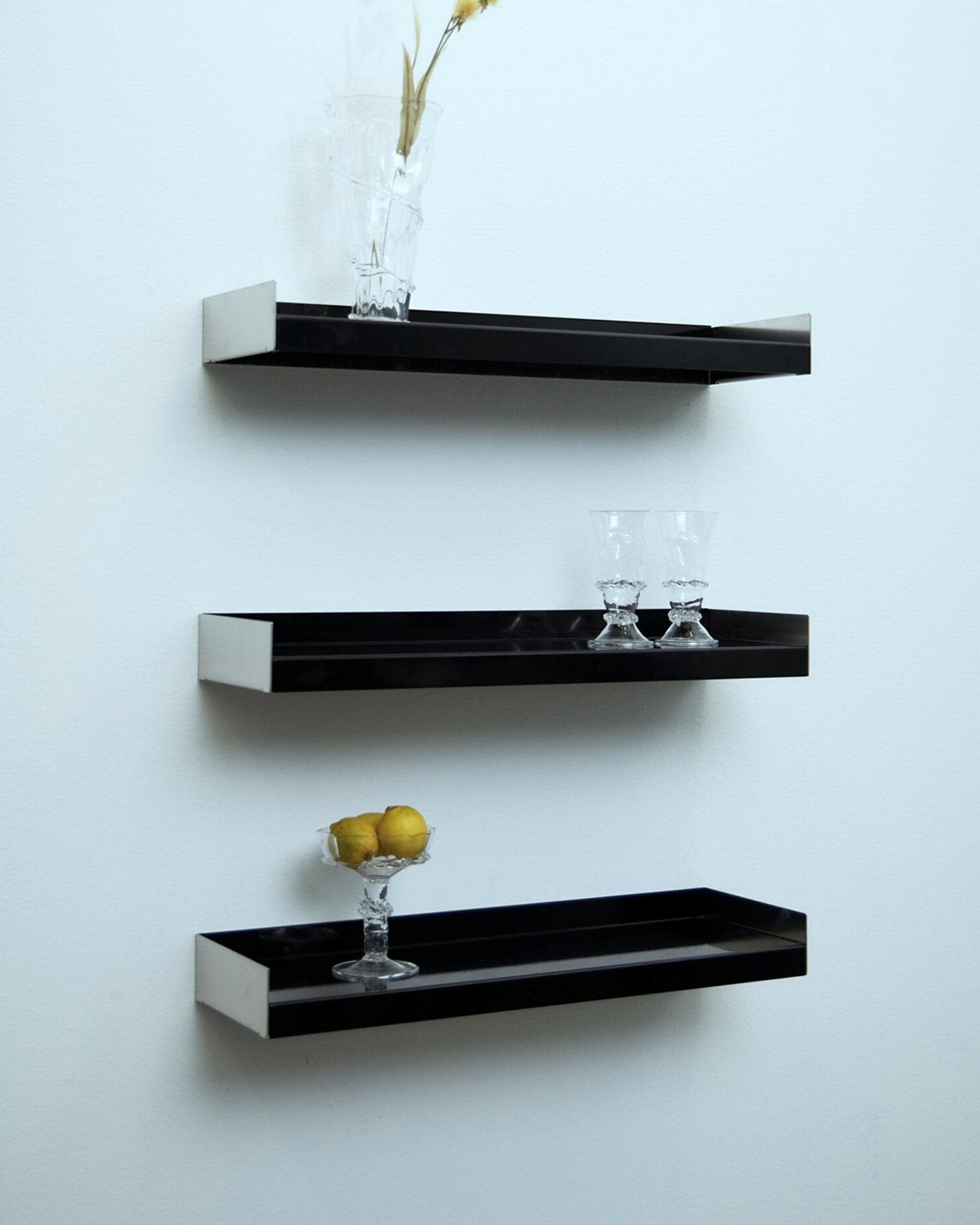
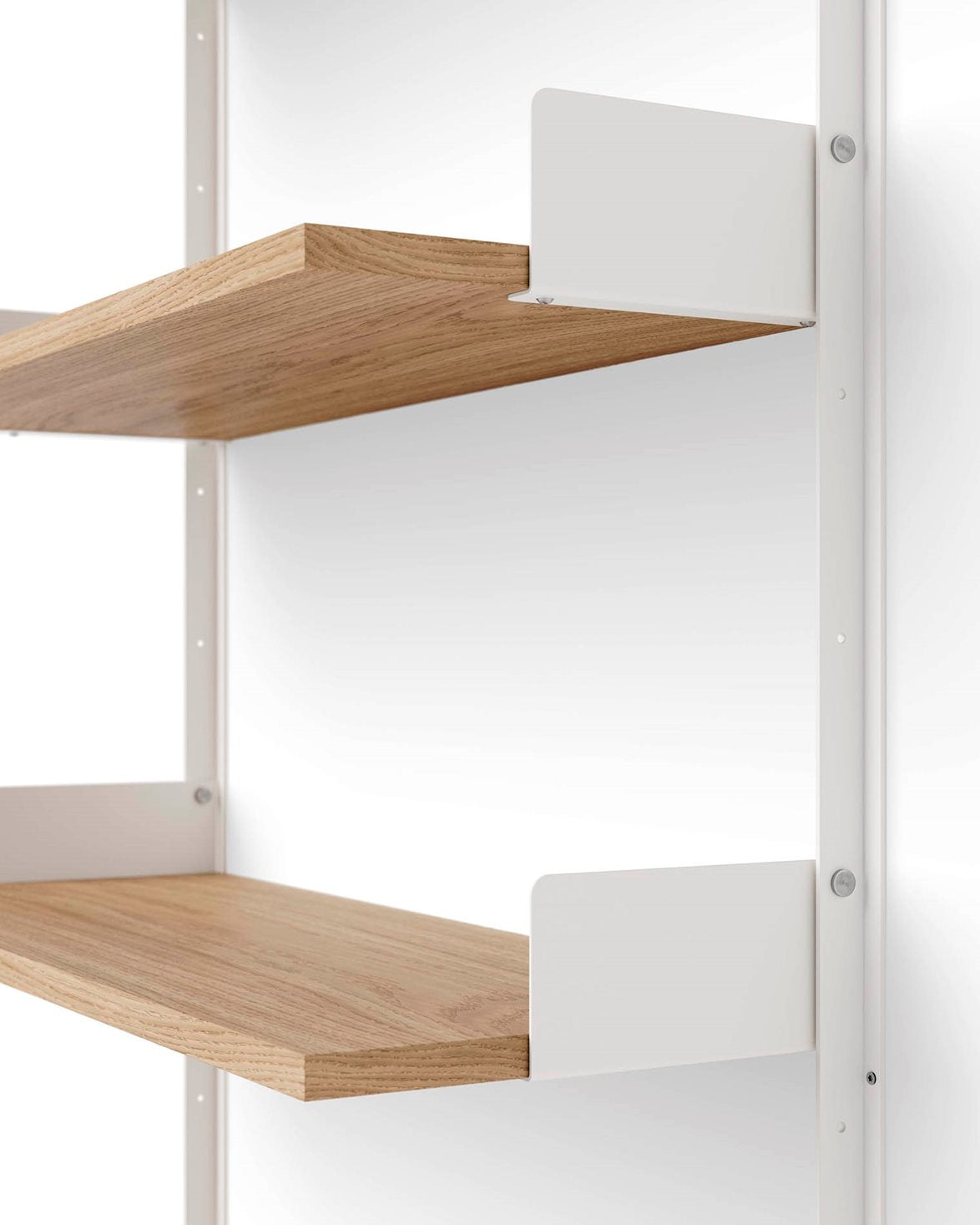
Open storage in the form of bookcases and shelving systems provides direct access to the contents and can also be used to organise books, objects and decorative items. Shelves can be freestanding, wall-mounted or built as modular systems in which height, width and the number of sections can be adapted to the room. Open shelves can also be used to divide larger rooms and create zones without completely blocking sightlines and light. The combination of open shelves and enclosed cabinets is often used when both visual lightness and concealed storage are needed.
Materials and construction affect the stability, function and visual weight of storage furniture. Wood and wood-based materials such as oak, ash, walnut and veneer are used in cabinets, sideboards and shelving systems and may be treated with oil, wax, lacquer or stain. Metals such as steel, aluminium and brass are used in frames, legs, fittings and shelf constructions and may have a brushed, polished, matt or patinated surface. Glass is used primarily in display cabinets and shelves, while stone, natural materials and combinations of several materials can be used to create more tactile or architectural constructions.
The proportions of storage furniture have a significant impact on how it is experienced in the room. Tall cabinets and bookcases make use of the wall's vertical surface, while low sideboards and credenzas create a more horizontal composition. The depth needs to be adapted to what is being stored and how much floor space is available in front of the furniture. The height of the shelves, the distance between sections and the opening radius of the doors affect both access and usability. For larger storage furniture, the weight of the piece and the construction of the wall are also relevant when positioning and potentially anchoring it.
Storage can be organised according to the degree of access and visibility required. Open shelves suit items that are used frequently or that also form part of the interior, while closed cabinets are suitable for things that should be kept out of sight and protected from dust and light. Modular systems can be expanded or changed over time and are often used when storage needs to be adapted to the room's dimensions and changing requirements. Integrated or built-in storage can similarly make more efficient use of niches, walls and other architectural conditions.
The right placement helps storage function as an integrated part of the interior. A sideboard can be placed along a longer wall in a living room or dining area, while a taller cabinet or bookcase can make use of vertical surfaces in, for example, a home office or library. Shelving systems can also be used to create divisions between different parts of a room. The size of the furniture should be adapted to the scale of the room, circulation space and adjacent furniture, so that doors, drawers and shelves can be used without being restricted by the rest of the interior.
Proper care helps preserve the materials and function of storage furniture over time. Wood and veneer should be cleaned with a soft, slightly damp cloth and treated according to the specific finish of the surface. Oiled and waxed surfaces may need maintenance with suitable products, while lacquered surfaces generally require less treatment. Glass should be cleaned with a soft cloth and suitable cleaning agent, while metal should be cared for according to its surface treatment and not exposed to abrasive cleaning products. Storage furniture should not be overloaded, and shelves and drawers should be used within the load limits specified by the manufacturer.
Vallgatan 12's selection of storage includes models in which function, material, proportion and construction work together with the architecture of the room. From cabinets, display cabinets and sideboards to bookcases and modular shelving systems, there are different solutions for both concealed and open storage. The range moves between more pared-back constructions and furniture with more pronounced materiality and sculptural proportions, where storage becomes an integrated part of the interior as a whole.