





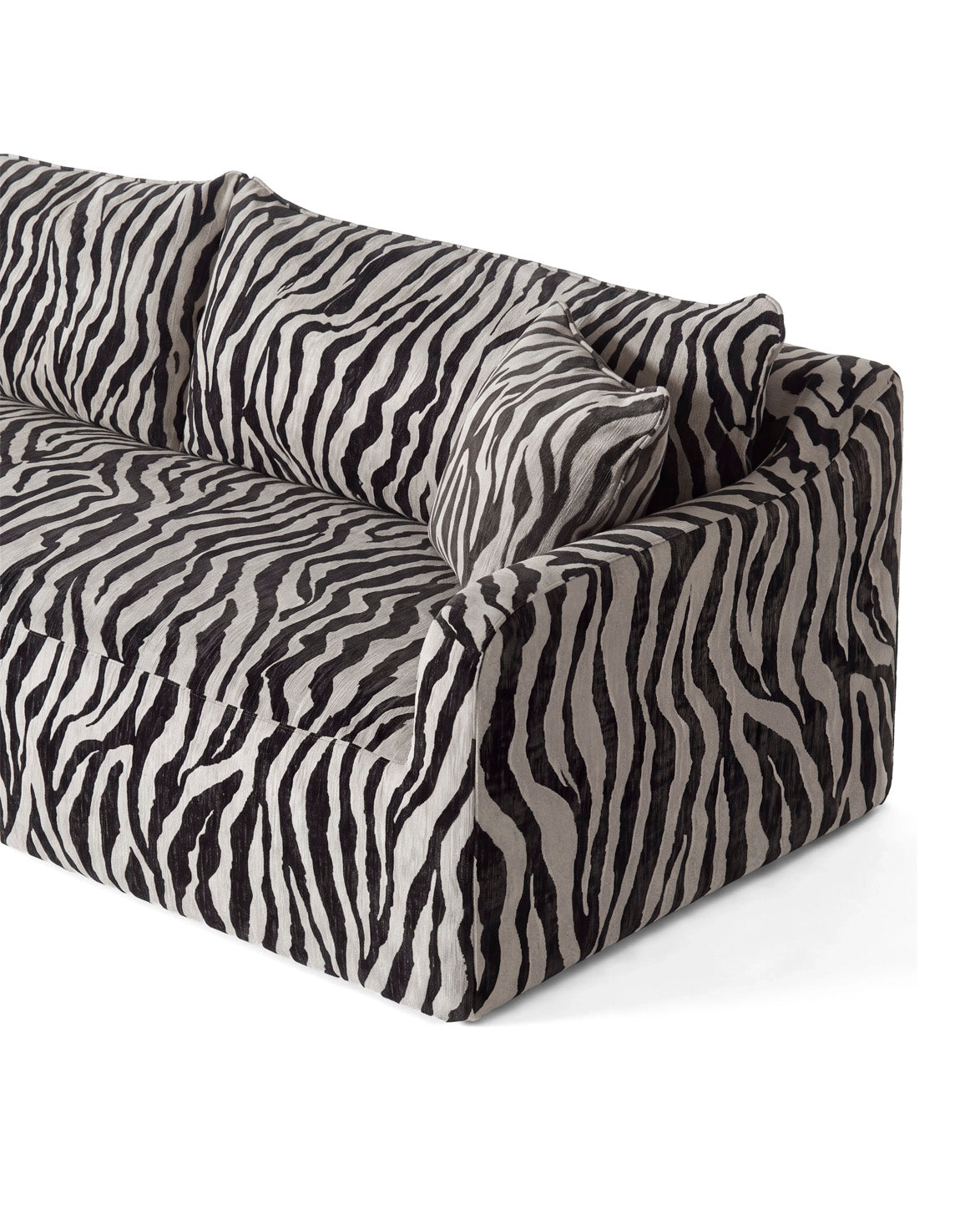

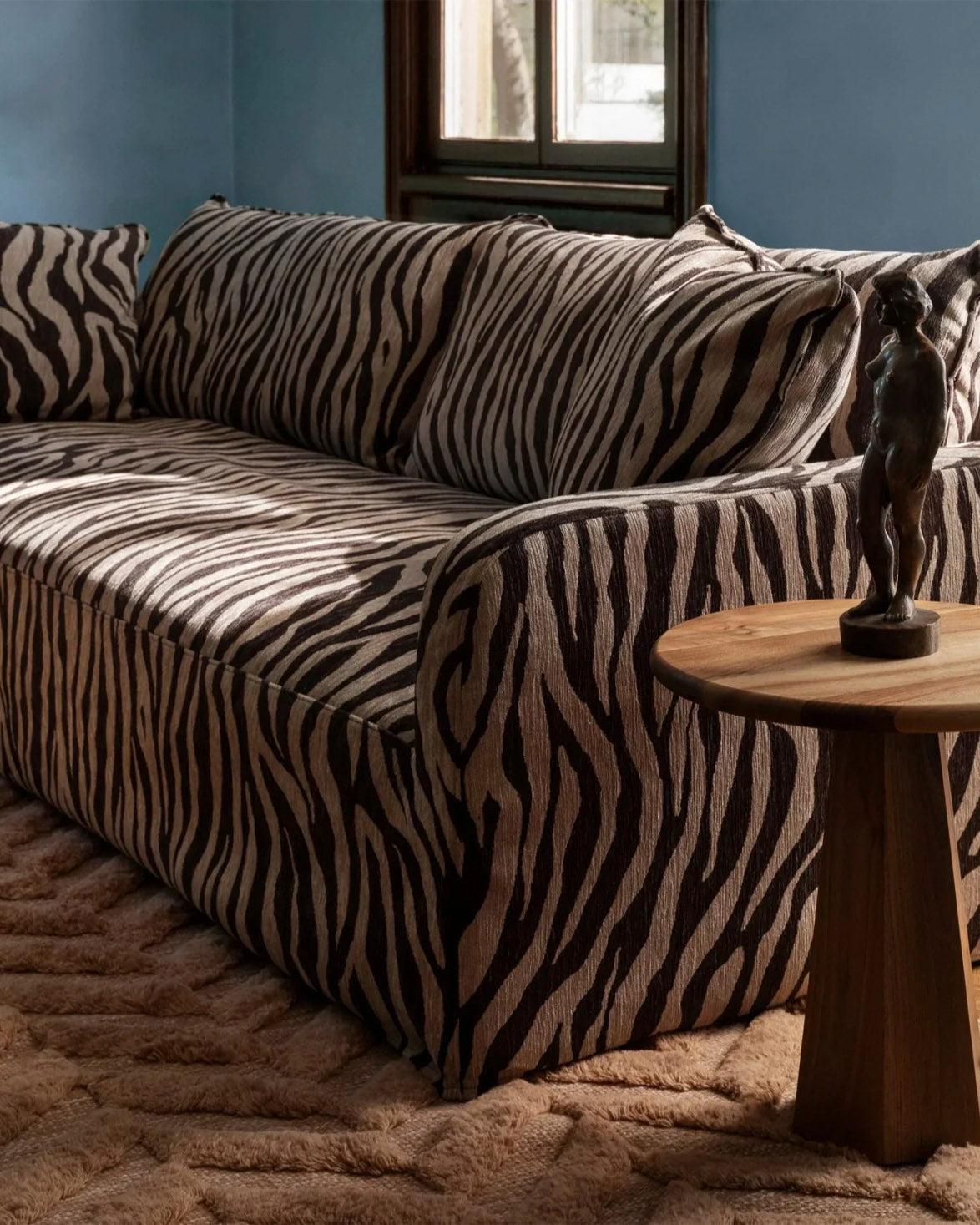


Sofas & Daybeds
At Vallgatan 12, a curated selection of Sofas and Daybeds brings together form, proportion, material and construction. The range spans generous sofas, compact models and more sculptural daybeds, with different expressions and formats for living rooms, bedrooms, lounges and other spaces in the home.
Sofas are available in several constructions and sizes, from smaller two-seater models to larger sofas with three or more seats. Modular sofas consist of separate sections that can be combined and configured according to the room's conditions, while fixed sofas have a more unified construction. Corner sofas and chaise longues provide a larger continuous seating area and can be used for both sitting and relaxing. Deeper models create a more relaxed sitting position, while shallower sofas often provide a more upright posture. Daybeds combine features of a sofa and a bed and are usually designed with a longer lying or reclining surface, sometimes complemented by backrests or armrests.
A sofa's construction usually consists of a frame, seat, backrest and, where applicable, an armrest frame, with material and structure affecting both comfort and durability. Frames are often made from wood-based materials or solid wood and complemented by springs, elastic webbing or other supporting systems. Seats and backs are built up using different types of padding, such as cold foam, polyurethane foam, fibre, or down and feathers in combinations with varying density. The firmness, thickness and recovery of the padding affect how the sofa feels in use and how its shape changes over time.
A daybed's construction can be more open and architectural than a sofa's and often consists of a frame, mattress or padded lying surface, and one or more backrests and armrests. Some models are built as a unified padded volume, while others use a clear combination of a frame and loose cushions. The construction affects how the piece can be used and positioned, with more open daybeds able to function from several directions in the room and therefore also serve as a dividing piece of furniture in larger spaces.
The choice of material has a significant impact on the furniture's visual and tactile expression. Wood is used in frames, legs and details and may include oak, ash and walnut, with finishes such as oil, wax or lacquer. Metal is used in bases and supporting structures and may have a glossy, matte, brushed or powder-coated finish. Padded surfaces are upholstered in materials including wool, linen, cotton, bouclé, velvet, synthetic textiles or blends of different fibres. Leather and hide are used as durable upholstery materials and develop a natural patina over time, with colour and surface changing through use.
The upholstery's texture, weave and colour affect how the sofa or daybed relates to the room's other materials. More tightly woven textiles can create a more defined surface, while coarser or more structured fabrics emphasise the furniture's volume. Bouclé and other textured materials create variation through fibre structure and light reflection, while leather develops a more distinctive character through natural variations and changes over time. Removable covers can facilitate care and possible reupholstery, while fixed upholstery is often an integrated part of the construction.
Proportions and ergonomics are central to both sitting comfort and the furniture's relationship with the room. Seat height, seat depth and the angle of the backrest affect the body's position, while the firmness of the cushions determines how deeply the body sinks into the furniture. The height and width of the armrests also affect how the sofa feels during extended use. Daybeds typically have a lower or more extended profile and are designed for a more relaxed position. The furniture's overall width and depth must also be considered in relation to the size of the room, with sufficient space left around the furniture for passage and movement.
Sofas and Daybeds can be used to define different zones in a room. A larger sofa can serve as the room's central piece of furniture and gather seating around a coffee table, while a smaller model can be placed in more compact spaces. Daybeds can stand independently and be used as separate seating and lounging furniture, for example in living rooms, bedrooms or libraries. Models with a more finished back can also be placed freely in the room and function as a visual divider between different areas.
Proper care helps preserve the materials, form and padding of a sofa and daybed over time. Textile upholstery should be vacuumed regularly using a suitable attachment, and spills should be absorbed as soon as possible without rubbing. Removable textile covers should be washed according to the manufacturer's instructions, as different fibres and constructions require different treatment. Leather and hide should be cleaned with products intended for the material and protected from strong direct sunlight and heat sources. Loose cushions may need to be turned and adjusted regularly to distribute wear and maintain their shape. Wood and metal should be cleaned with soft materials and treated according to their respective finish. For more extensive stains or deep-cleaning needs, professional furniture care suited to the upholstery material should be used.
Vallgatan 12's selection of Sofas and Daybeds includes models where comfort, material, proportion and construction work together with the architecture of the interior. From generous sofas and modular constructions to more compact models and sculptural daybeds, there are different formats, materials and silhouettes for the home's various spaces. The range moves between timeless furniture constructions and contemporary interpretations, where padding, textile, leather, wood and metal are used to create furniture with a clear relationship between function, craftsmanship and form.