














Midi
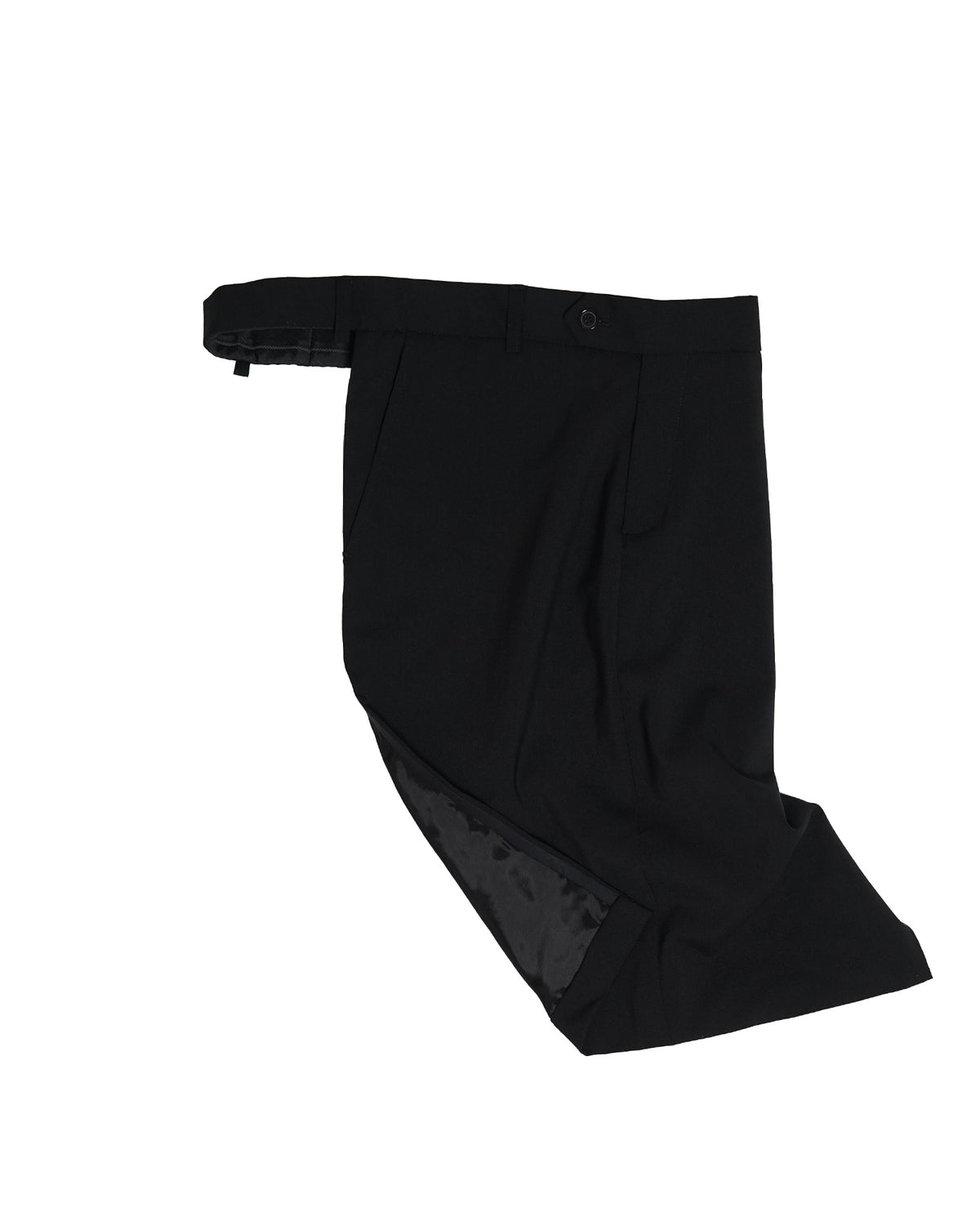
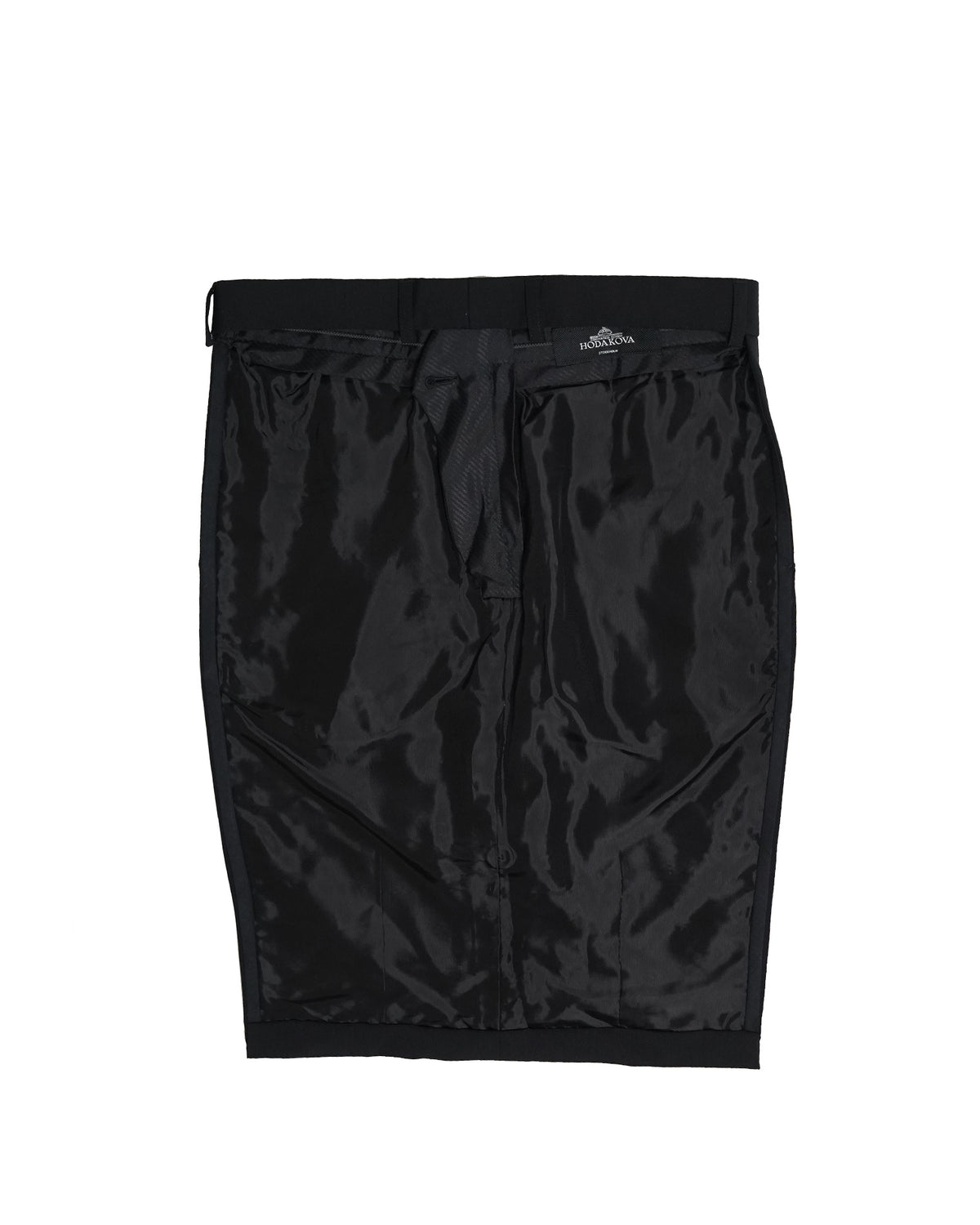
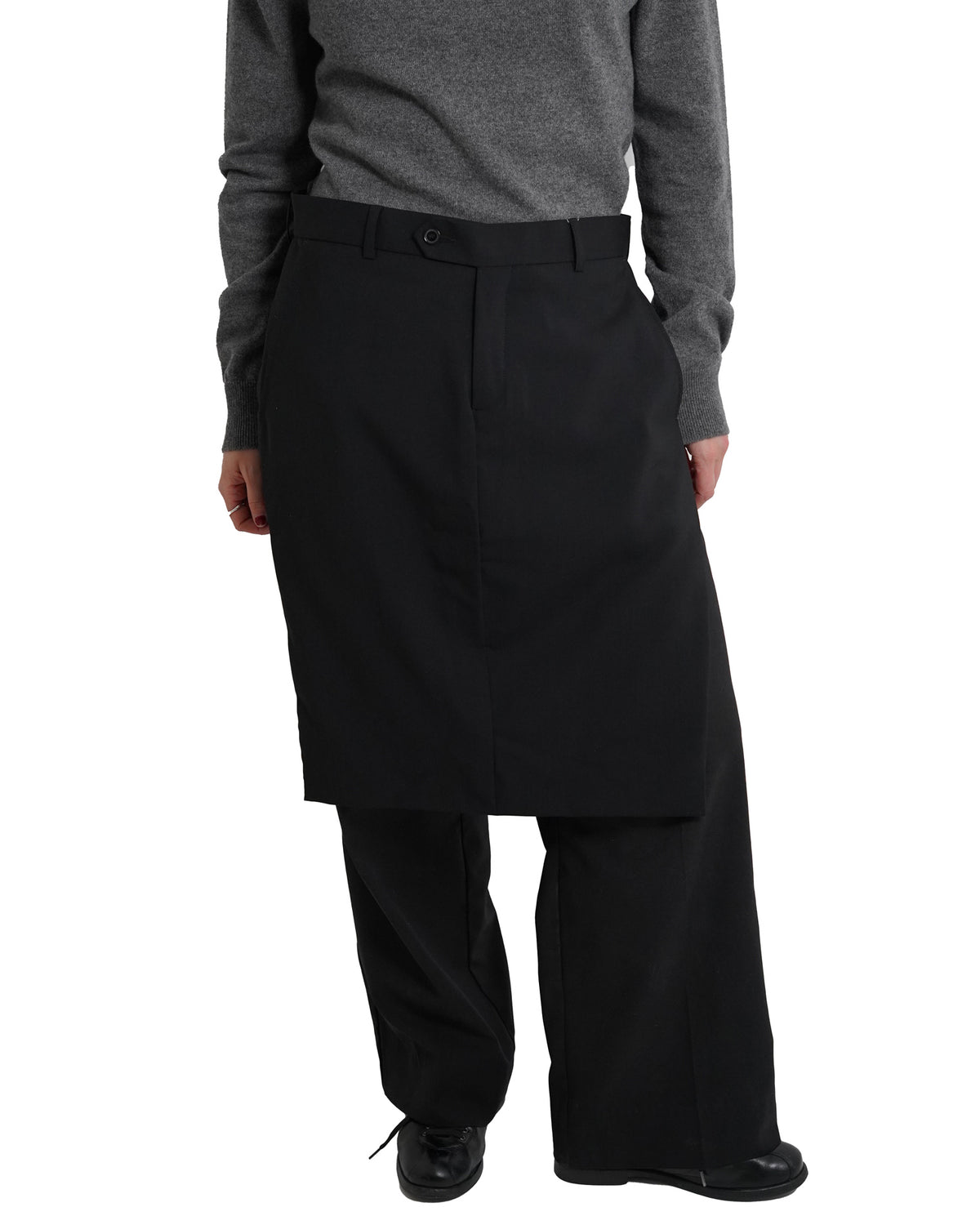
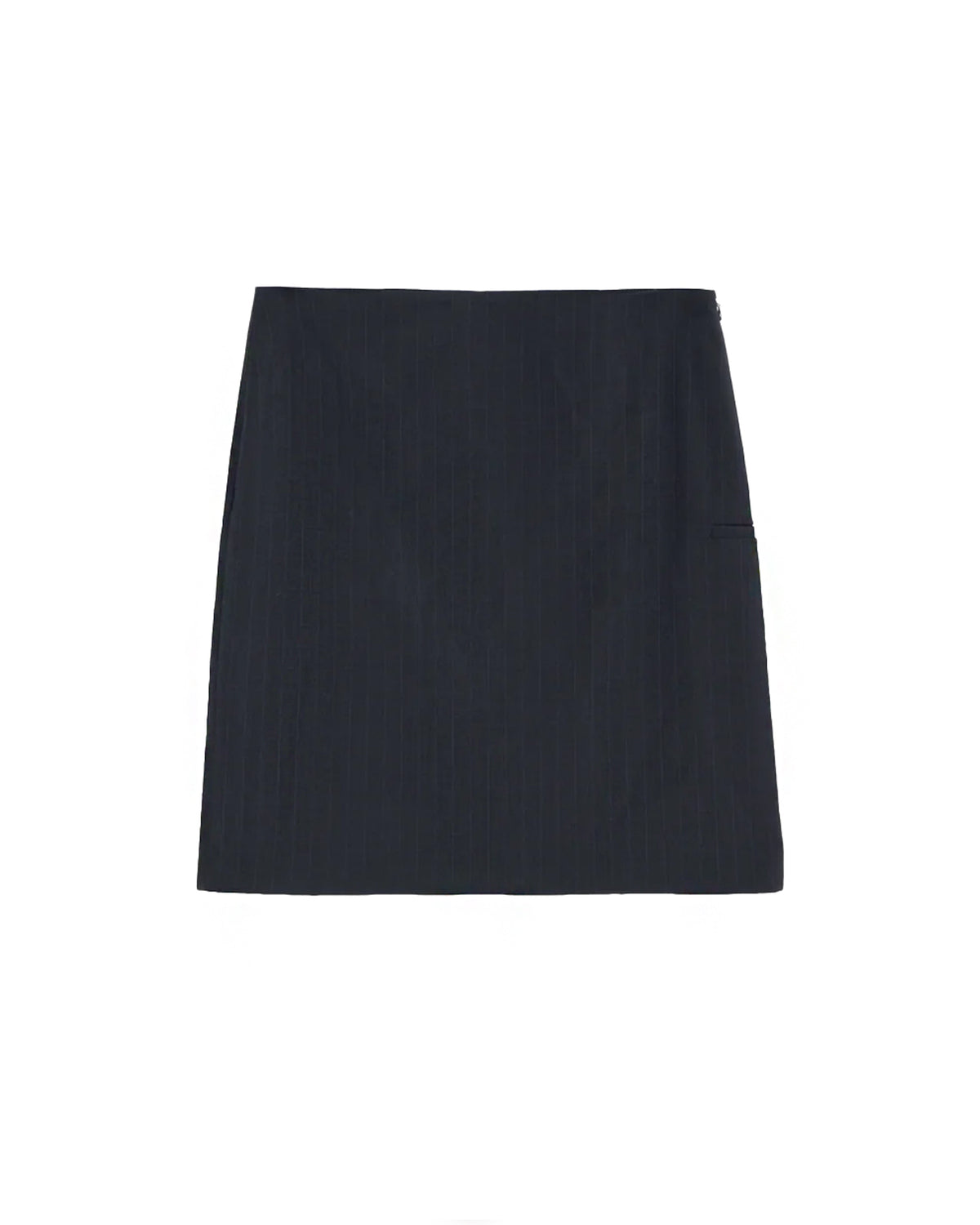
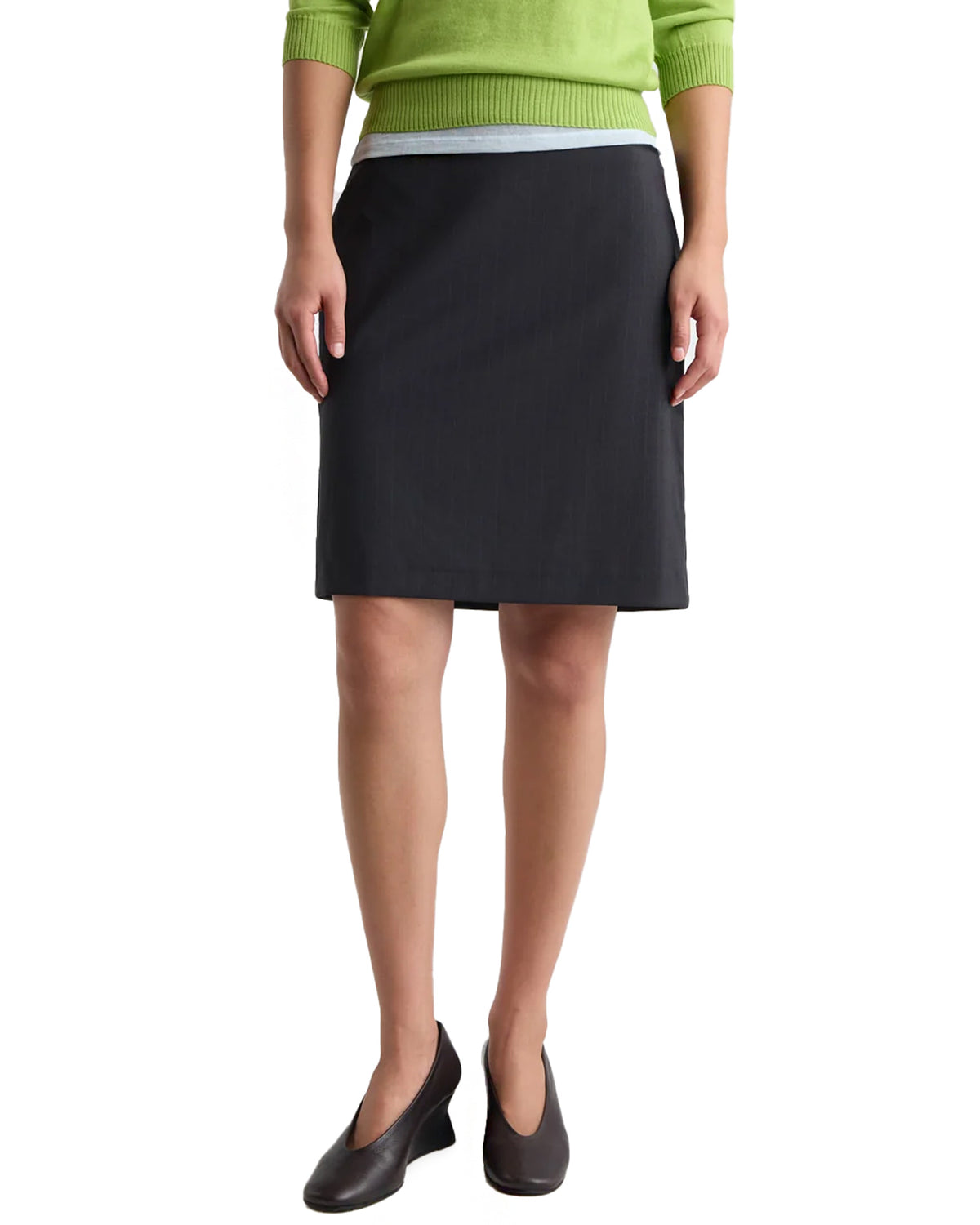
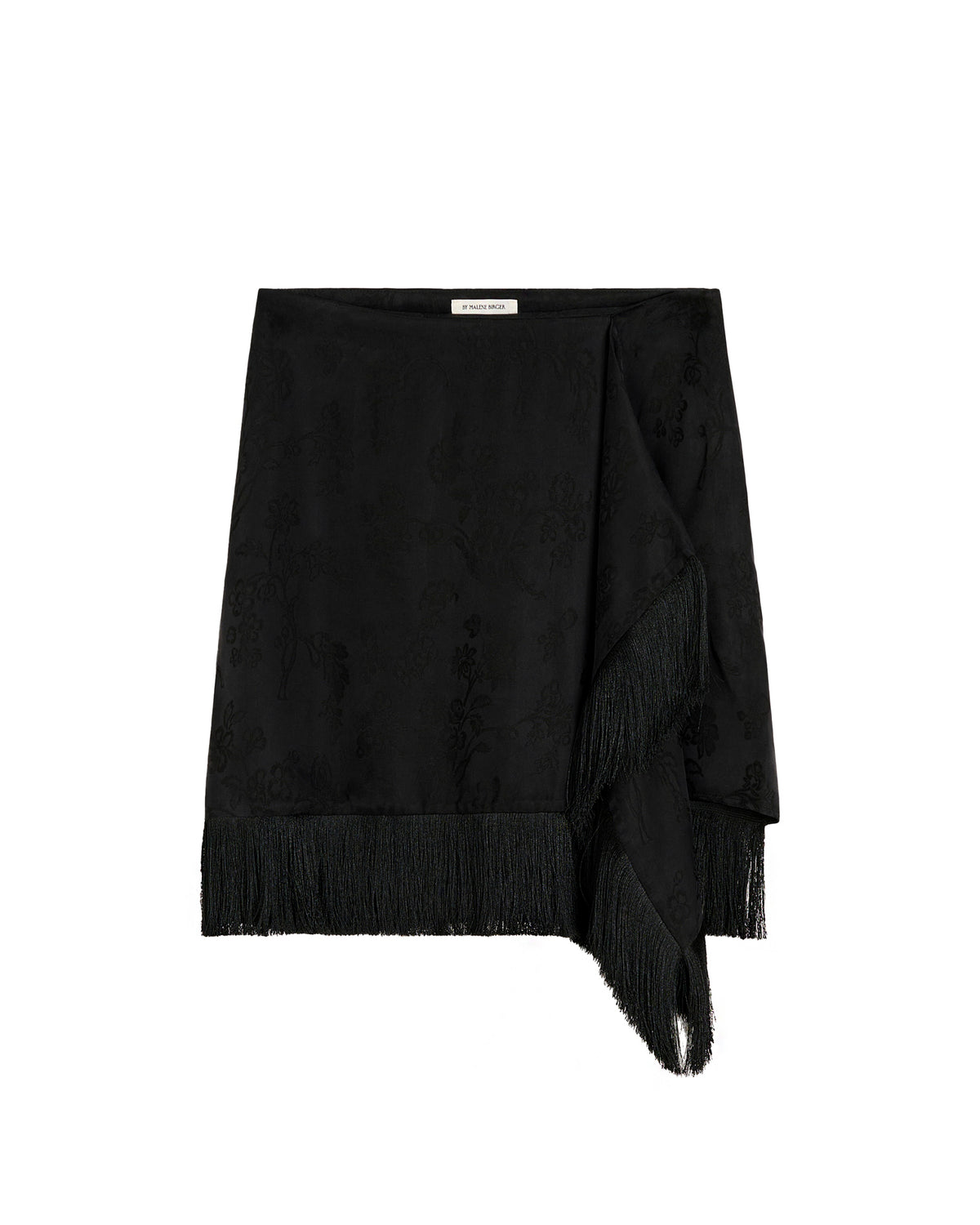
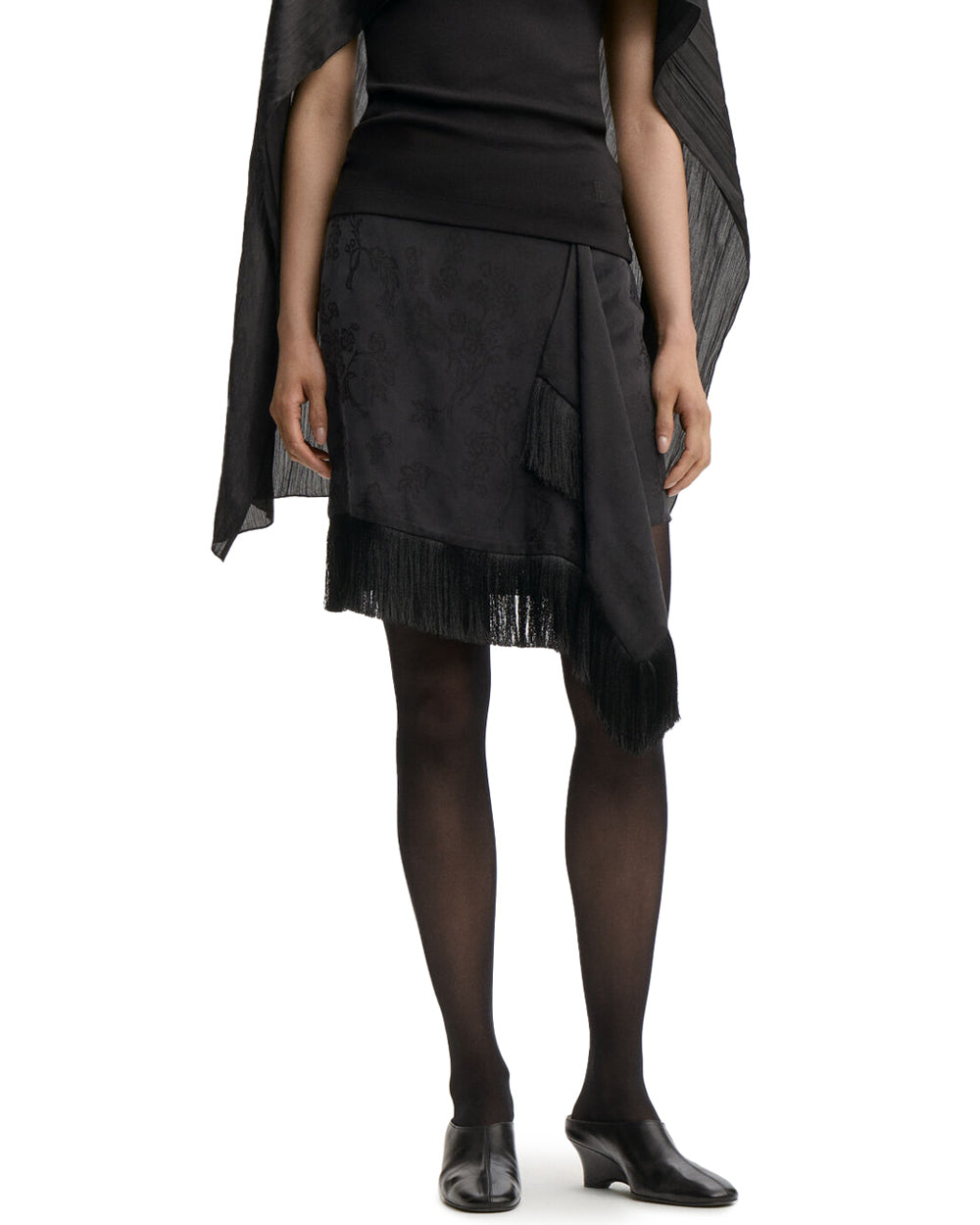
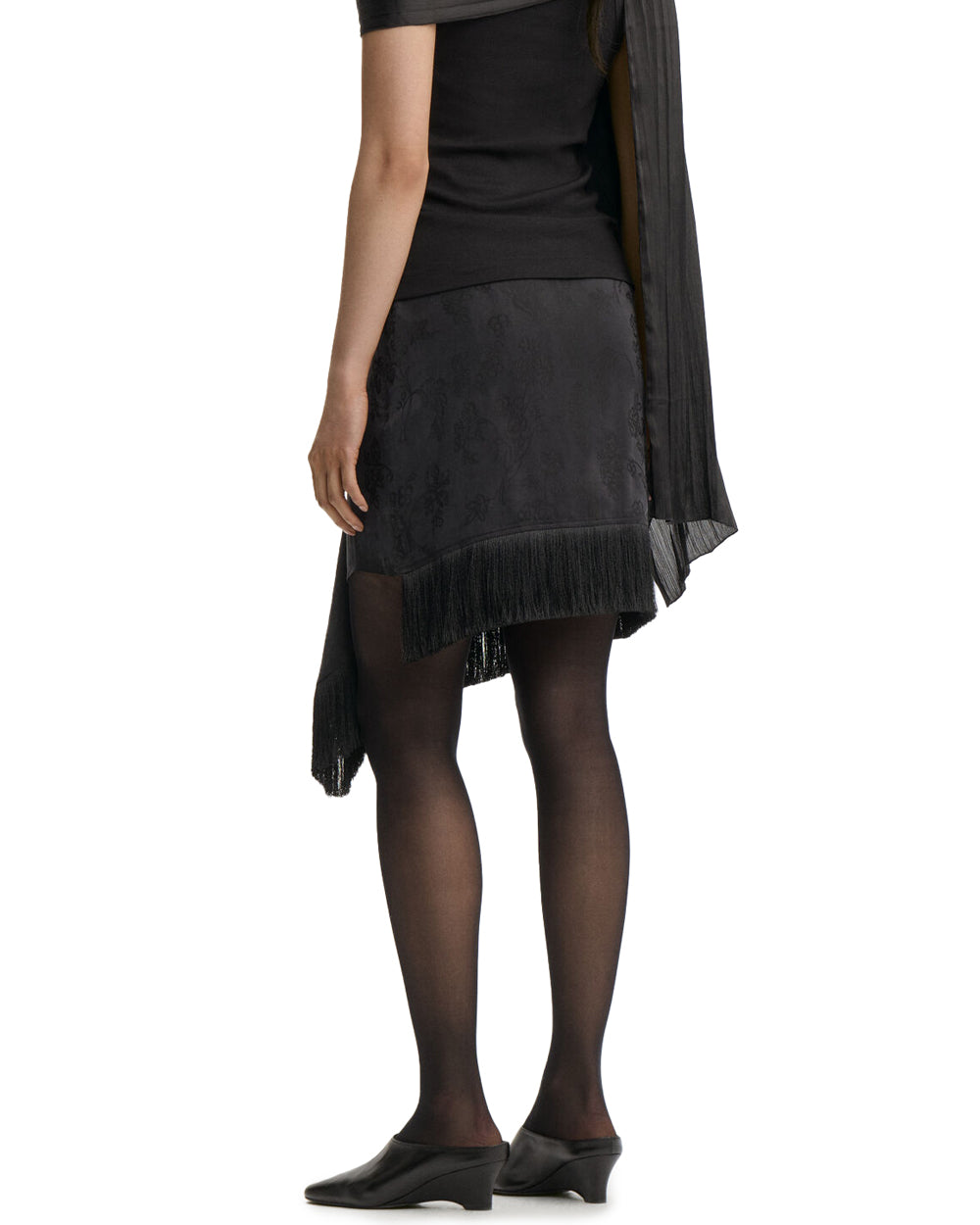
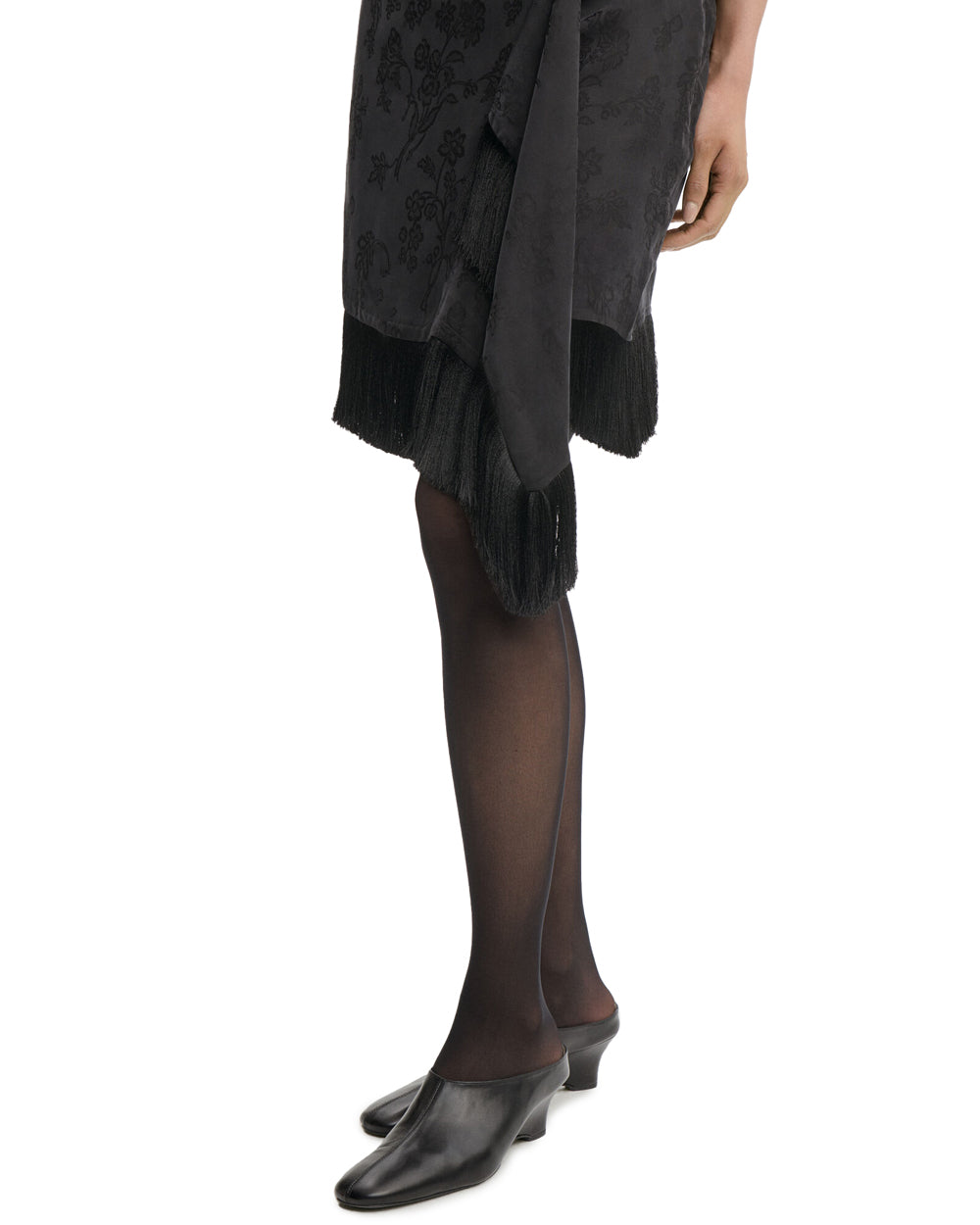
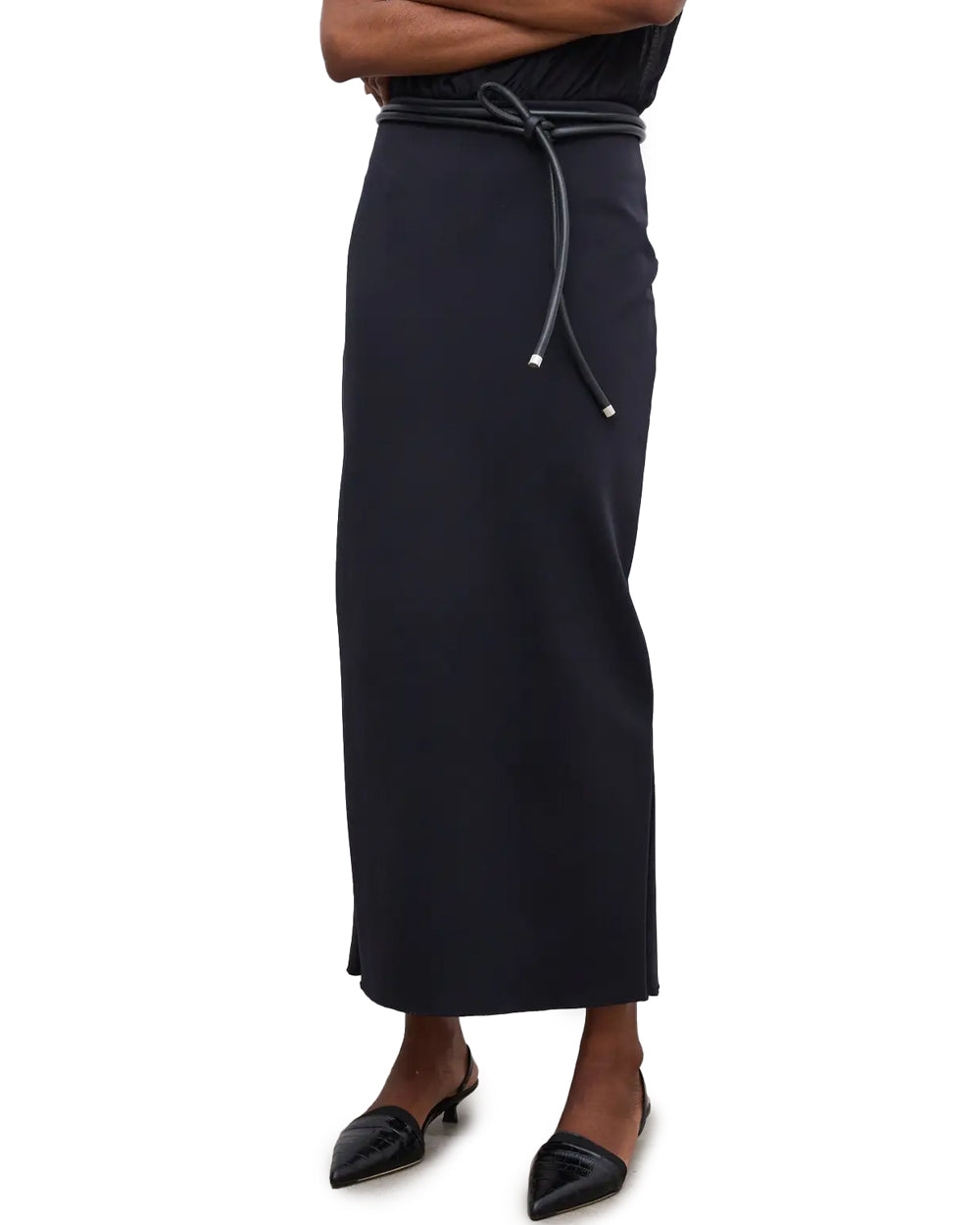
At Vallgatan 12, a carefully curated selection of midi skirts from established and contemporary brands brings together styles ranging from straight and fitted silhouettes to A-line, pleated and more voluminous constructions. The assortment also includes wrap skirts, pencil skirts and more structured styles, where classic skirt shapes meet contemporary proportions, materials and details.
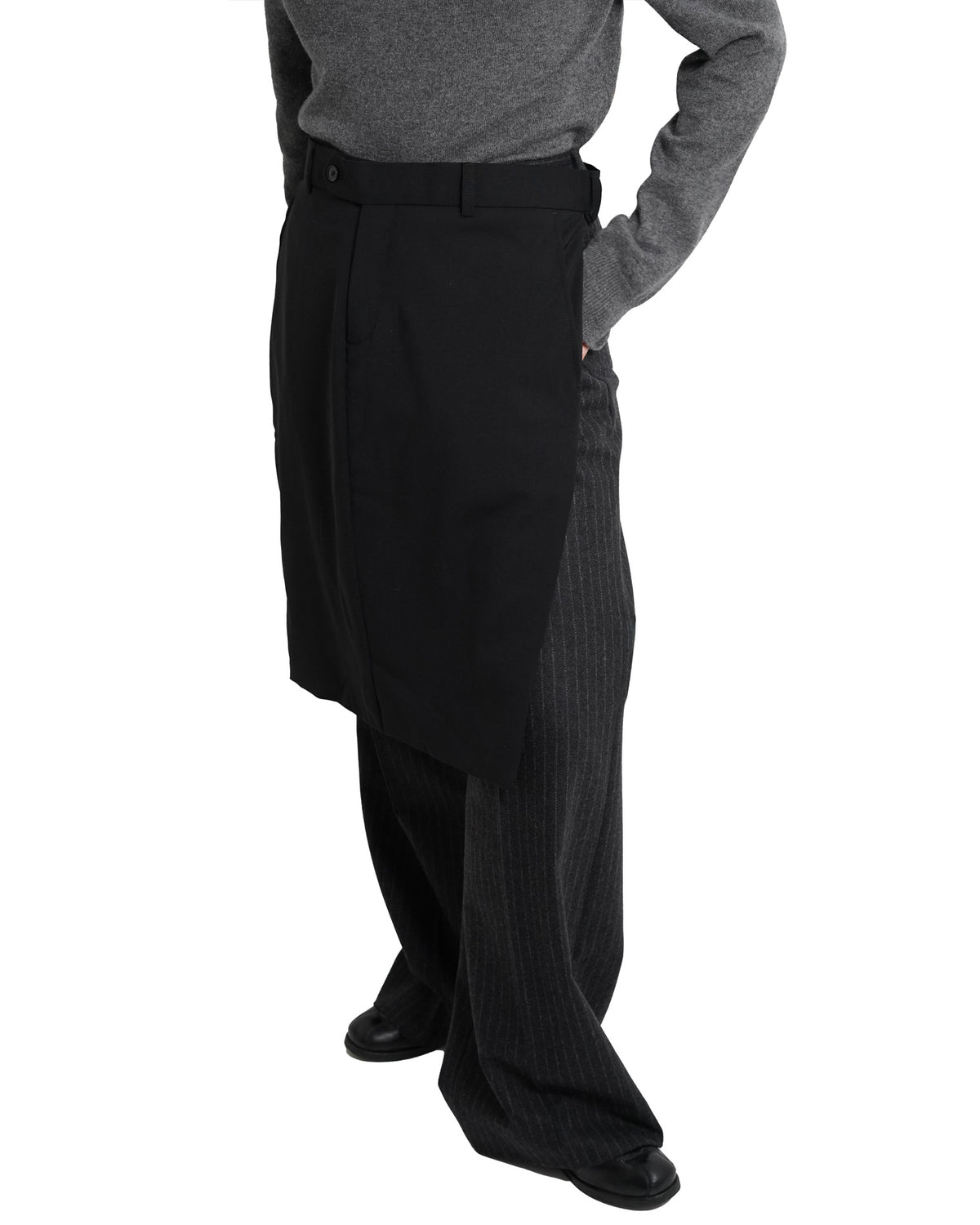
The midi skirt is a versatile skirt style that usually ends between just below the knee and mid-calf and can be worn in both casual and more dressed-up settings. The longer length allows proportions and styling to be varied depending on the season, material and the construction of the style. During warmer periods, the midi skirt can be paired with tops, shirts and open shoes, while knitted sweaters, blazers, boots and outerwear make it suitable for cooler months as well.
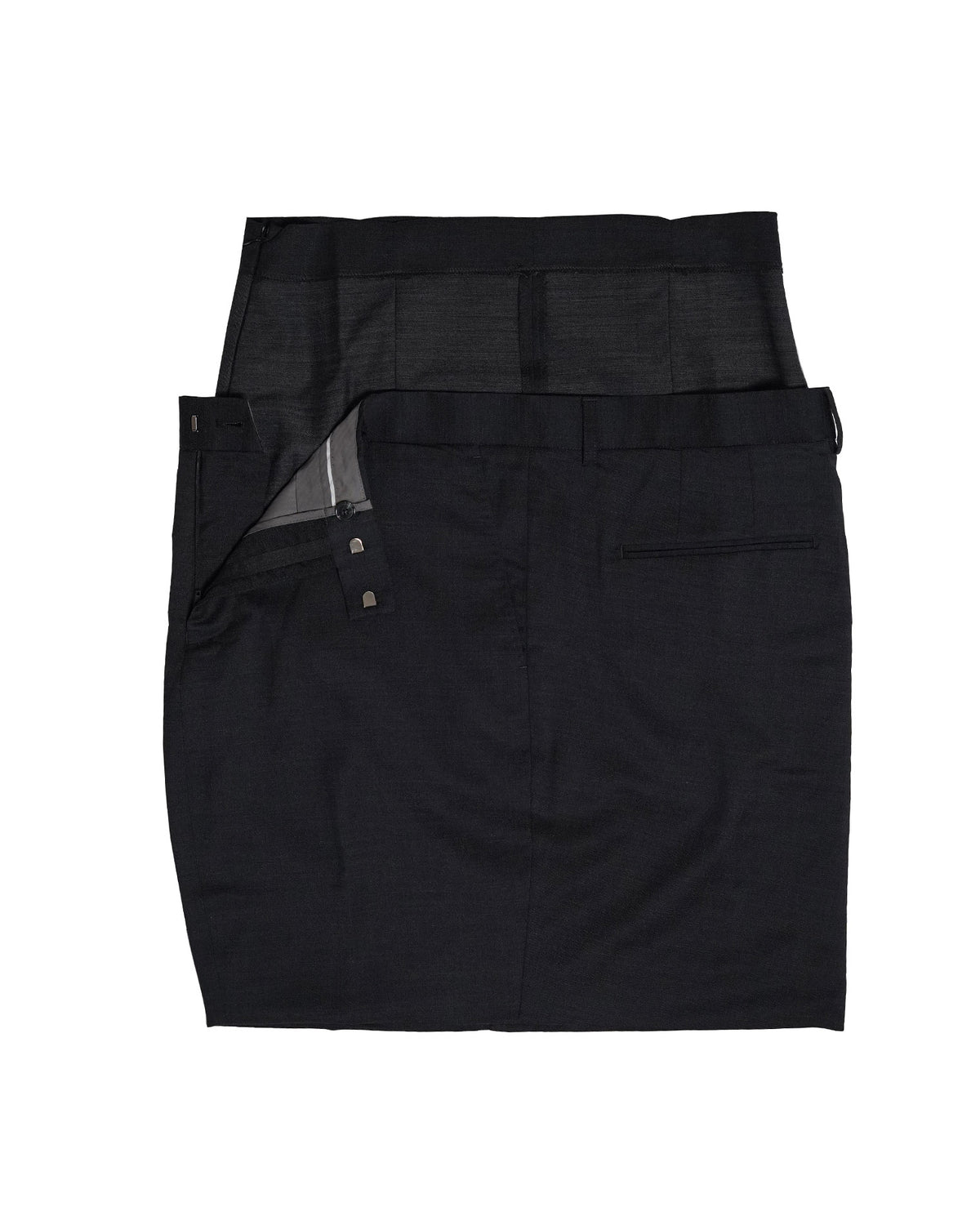
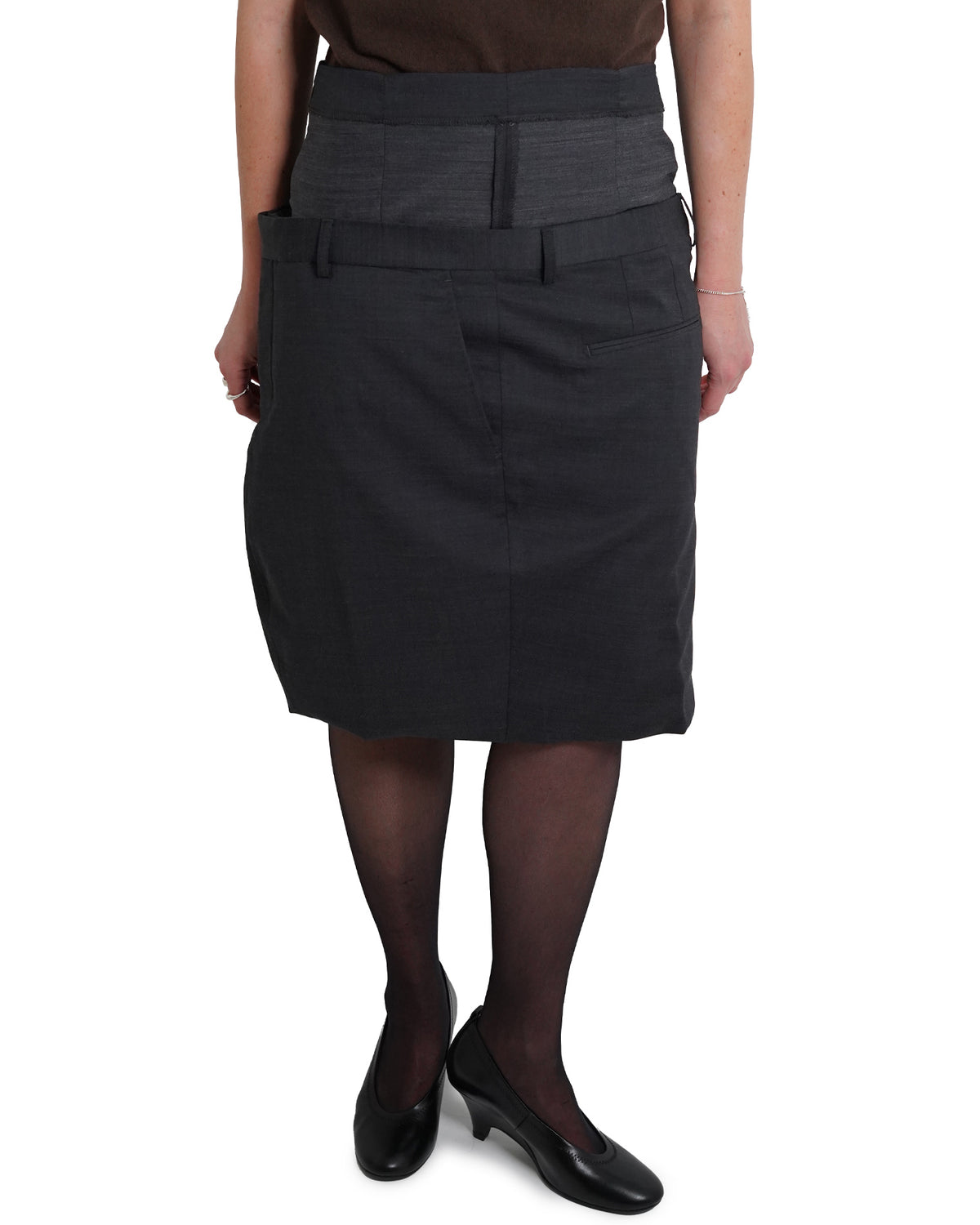
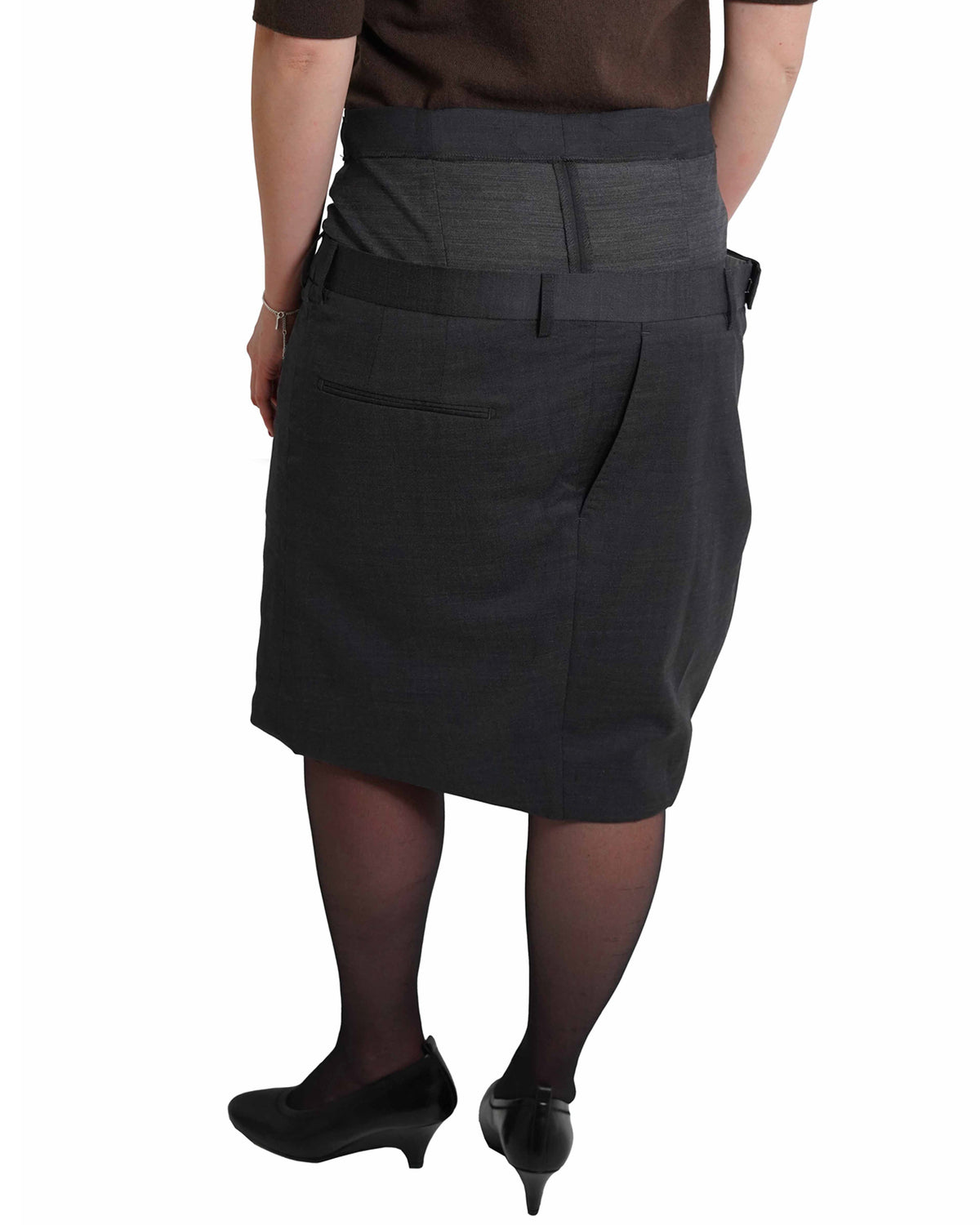
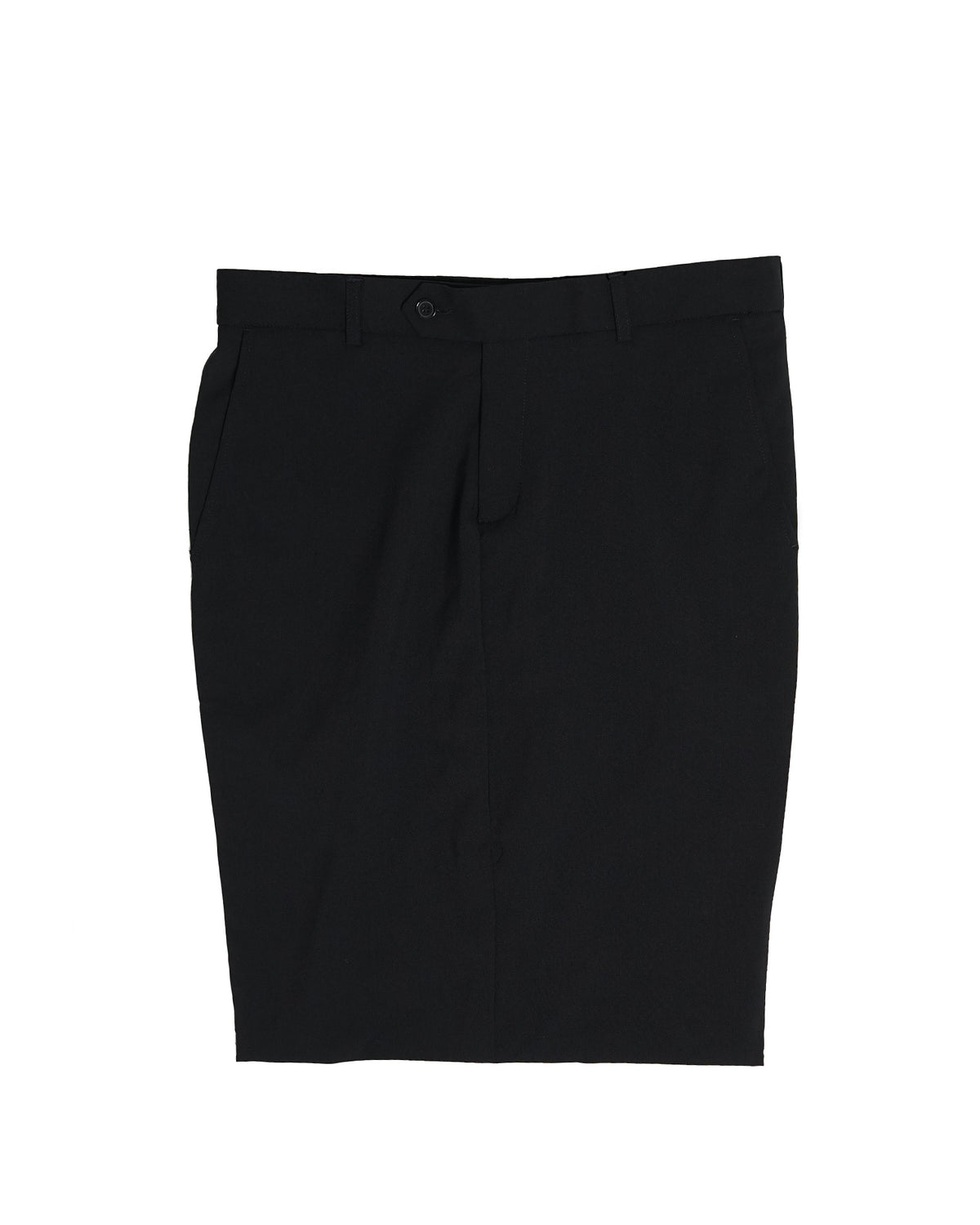
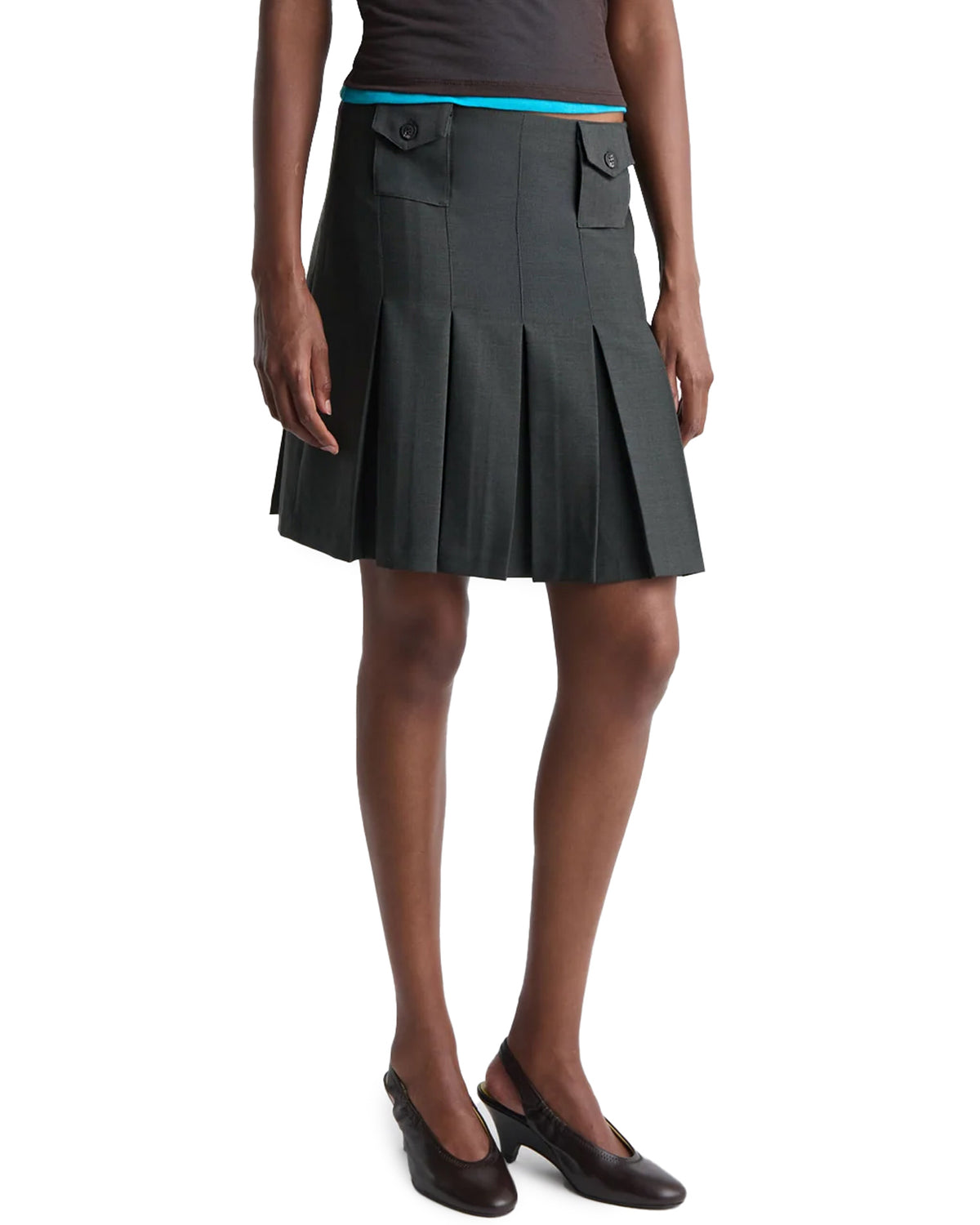
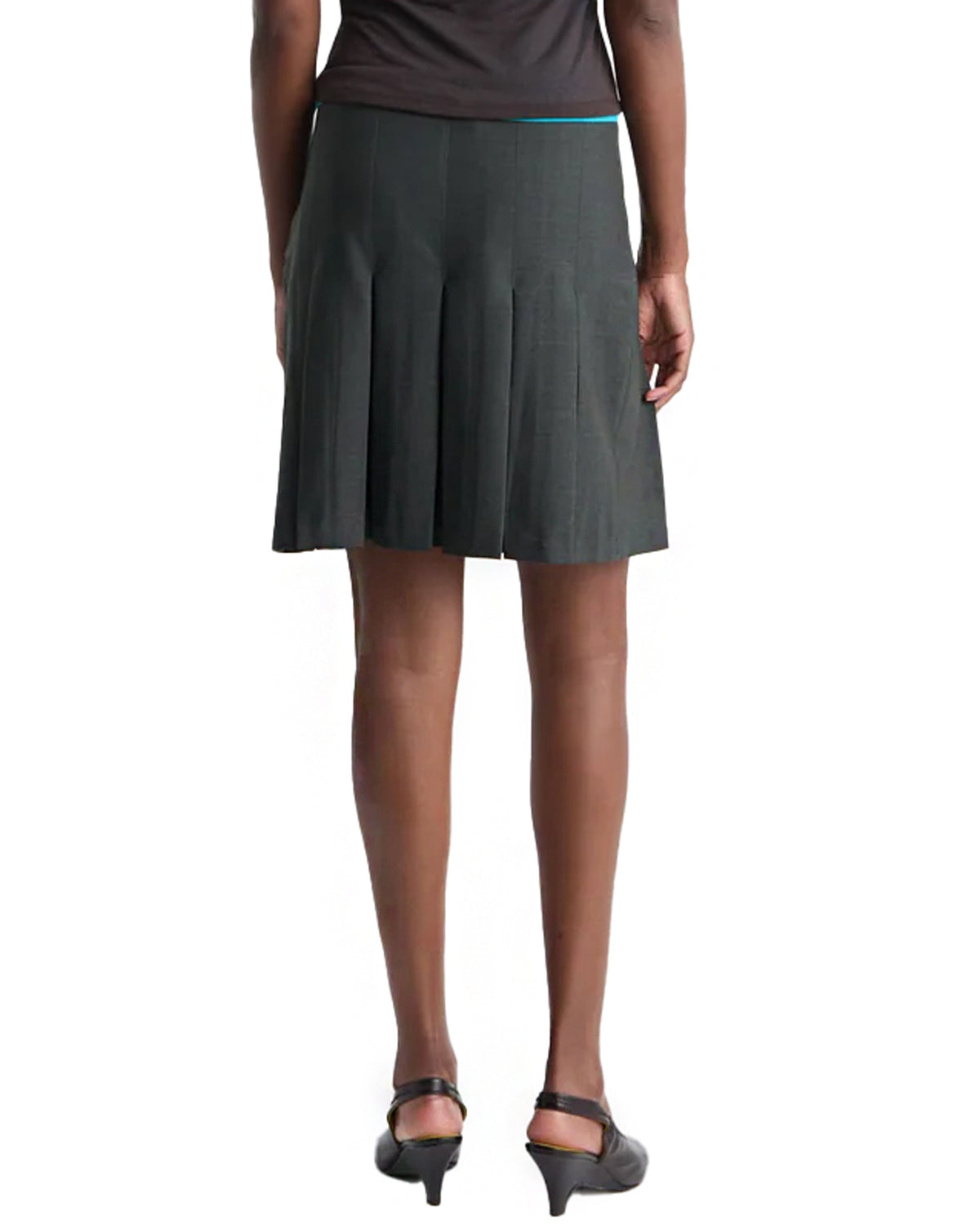
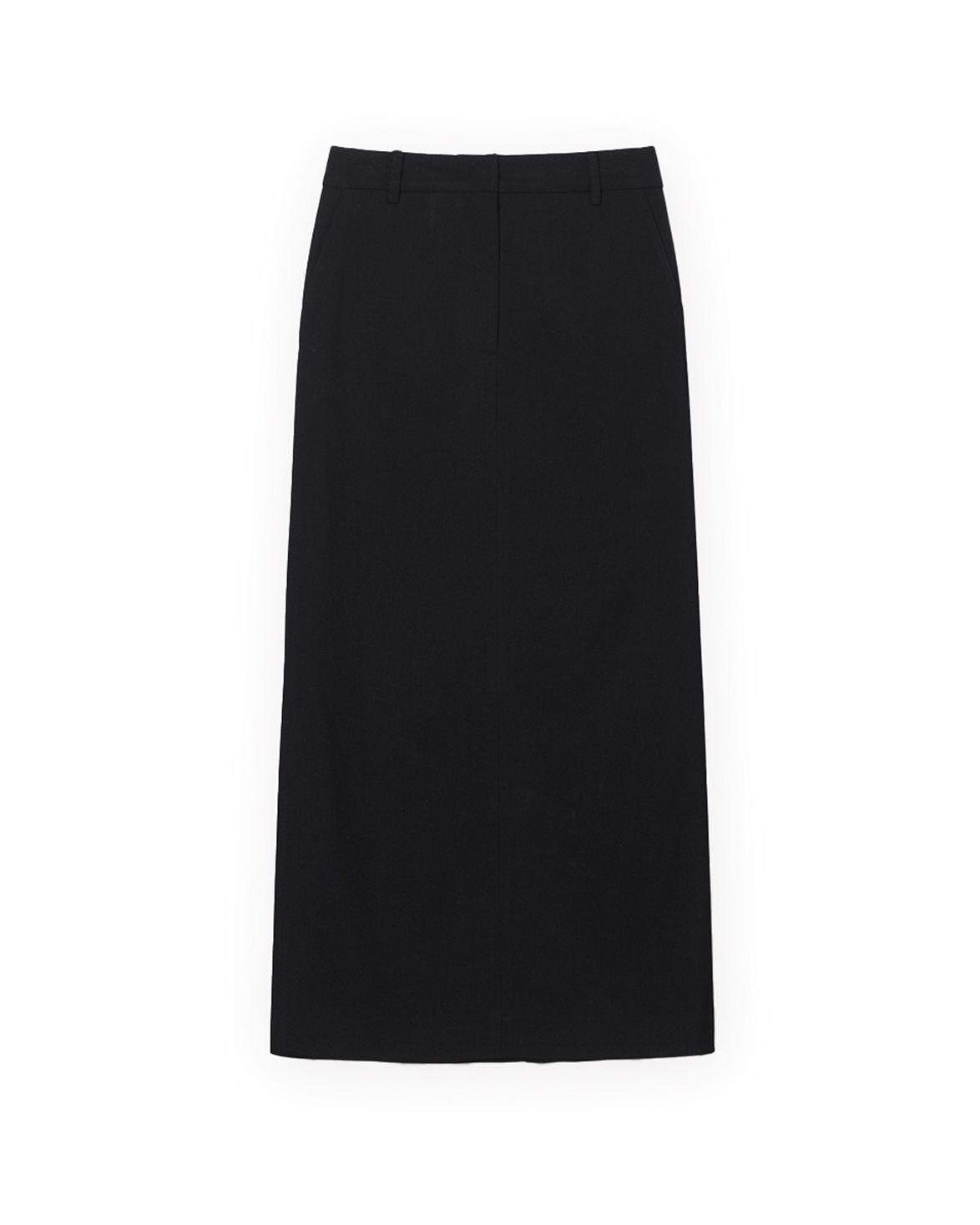
Midi skirts vary in shape and fit depending on their construction. Straight styles follow a relatively even line from the hip to the hem, while the pencil skirt is a more close-fitting version that tapers slightly towards the bottom. A-line styles are narrower at the hip and widen towards the hem, while fuller and circular constructions create greater volume and movement. Pleated and folded styles get their character from permanent or temporary folds that alter both the drape and movement. Wrap styles have an overlapping construction and can provide a more adjustable fit.
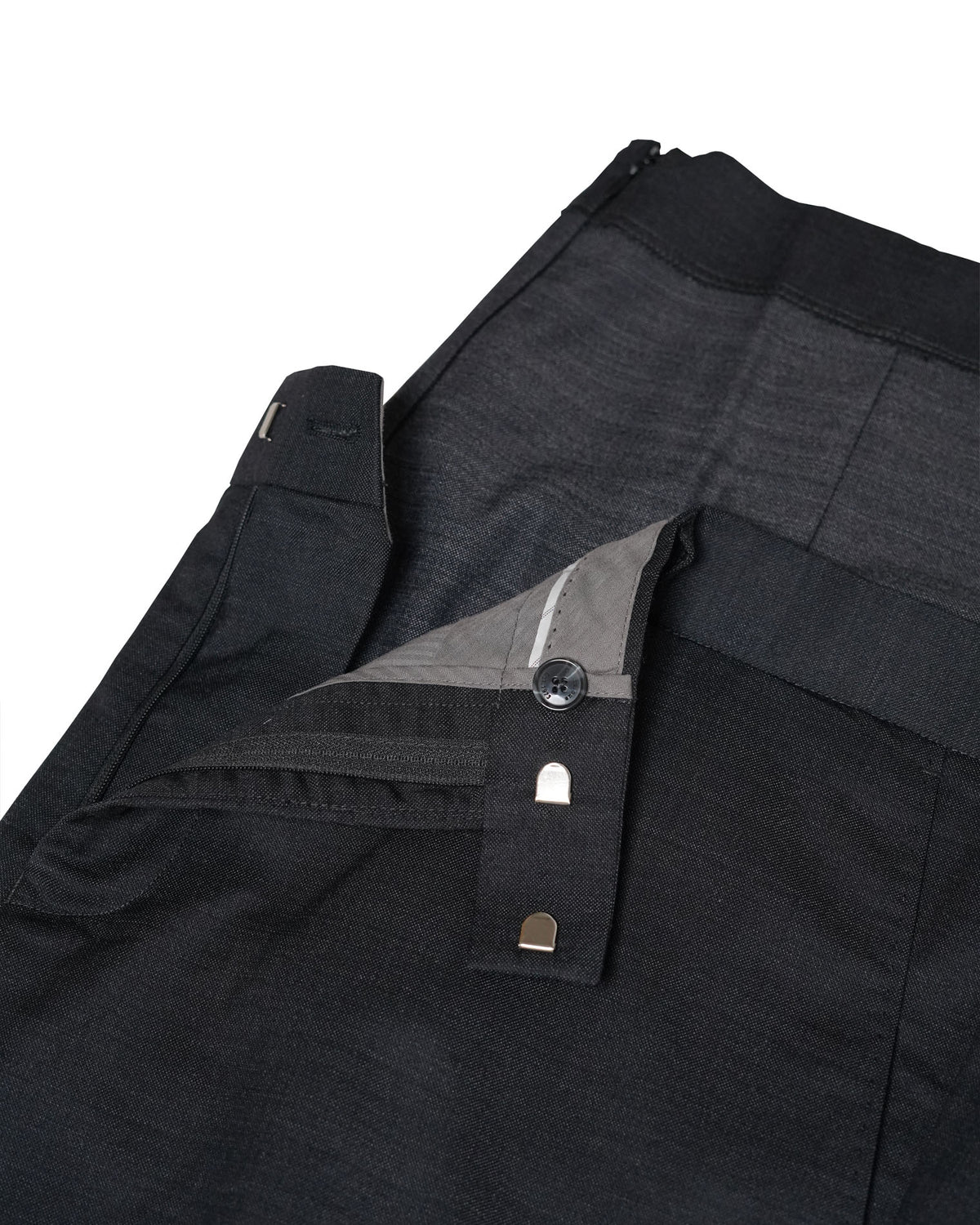
The rise affects the skirt's proportions and how it sits on the body. High waist places the waistband higher on the waist and creates a more defined waist placement, while mid waist provides a more balanced proportion. Low waist sits lower on the hip and appears in more contemporary interpretations. The waistband can be straight or shaped and is often complemented by a zip, buttons, a hook-and-eye fastening or a belt. Some styles have elastic or a drawstring for a softer construction and greater freedom of movement.
The material has a significant impact on the midi skirt's drape, structure and use. Cotton is used in both lightweight and more structured weaves, while linen and linen blends are suited to warmer temperatures thanks to their lightweight and airy construction. Wool and wool blends provide structure, shape retention and insulation during cooler periods. Viscose and other cellulose-based fibres can provide a softer, more fluid drape, while silk and satin have a smooth surface and natural lustre. Denim, leather, suede, tweed and knitted qualities also occur, offering different levels of structure, texture and movement.
The construction of the weave and the weight of the material affect how the midi skirt falls over the hips and legs. Thinner, more fluid materials can create a softer drape, while heavier weaves provide more structure and define the silhouette more clearly. Pleats and folds can add extra volume without the material needing to be heavy, while panels, darts and shaping seams are used to control the fit. Stretch materials can provide increased freedom of movement in more close-fitting styles, while structured materials are often used to create a more defined shape.
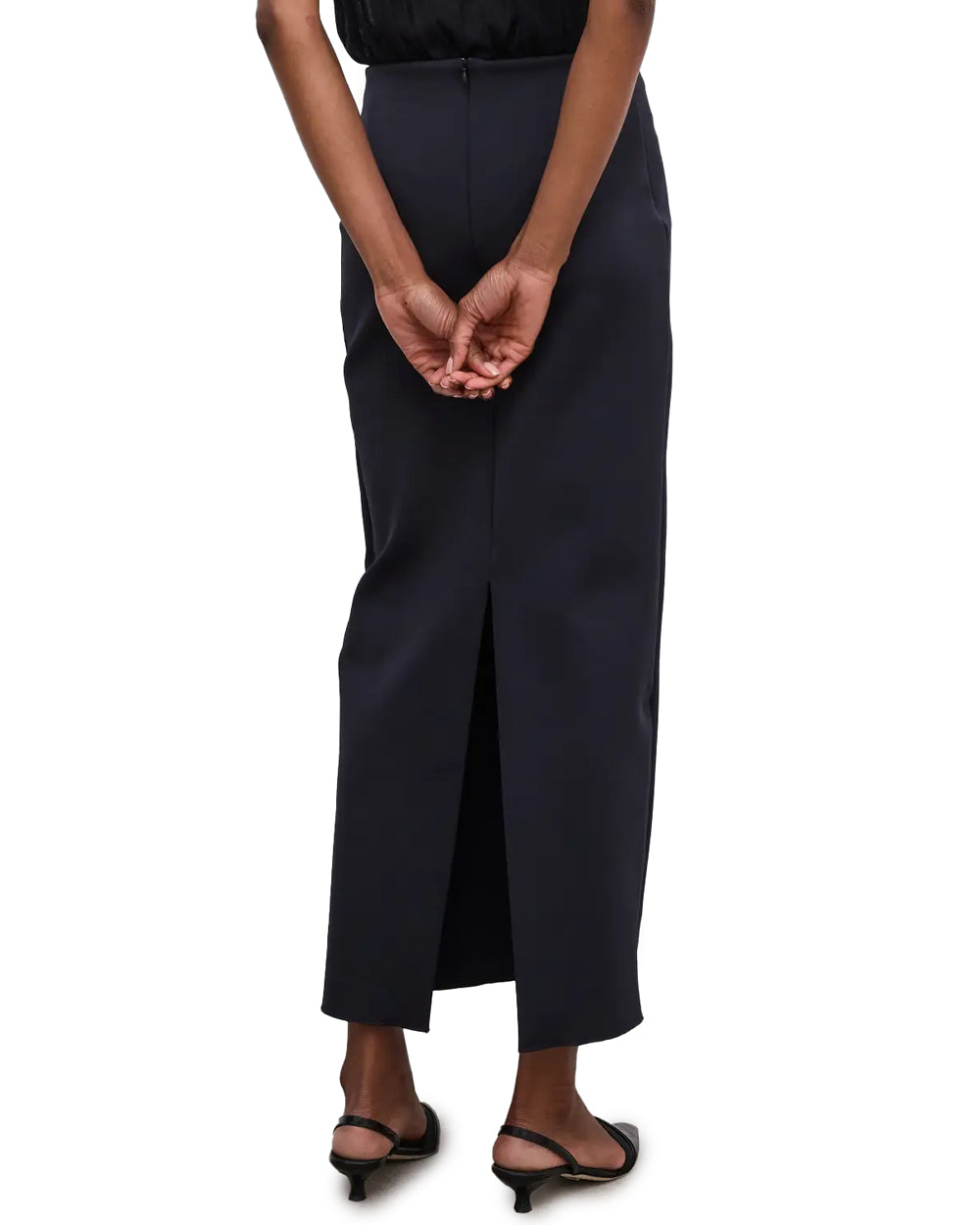
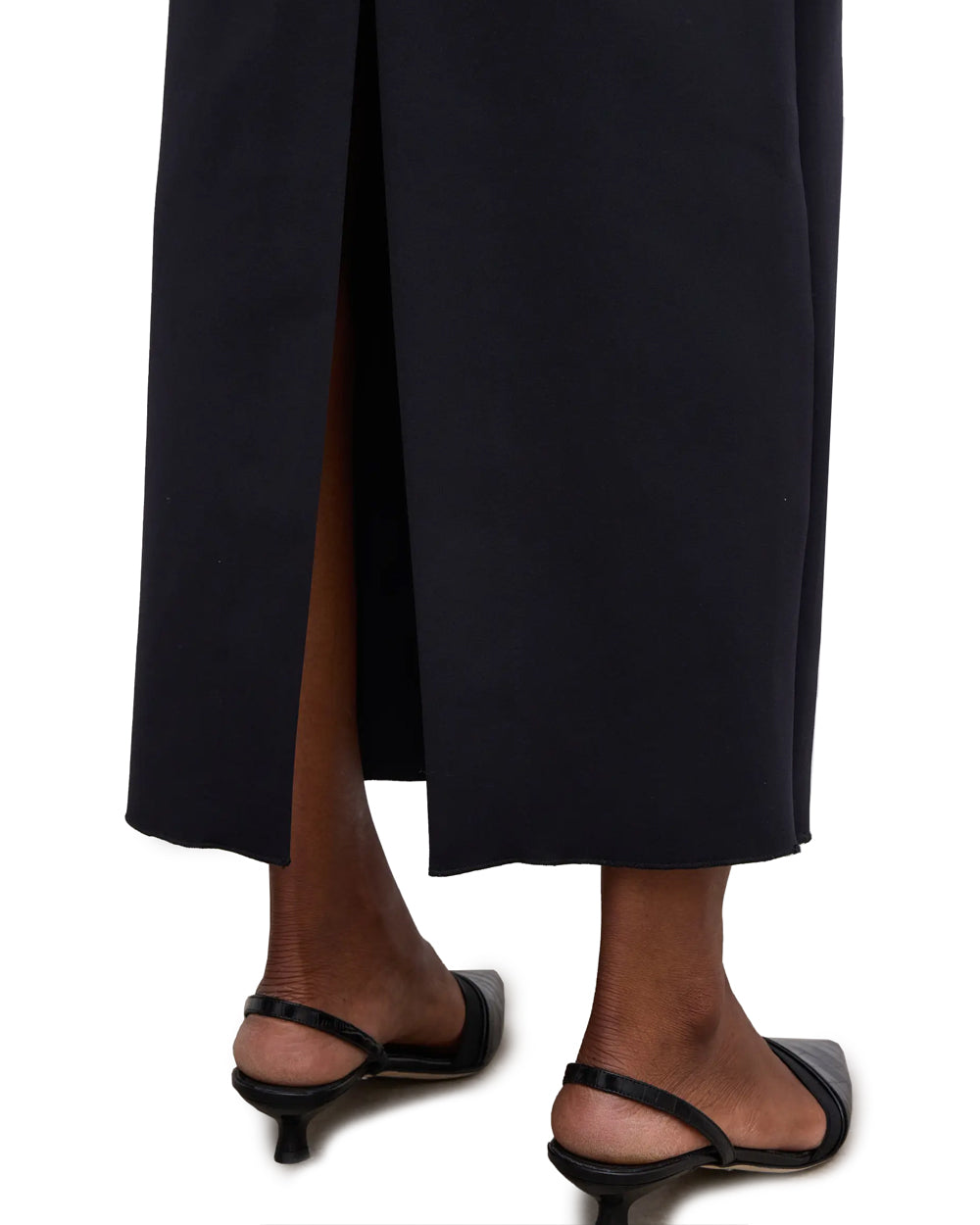
Details and construction also affect the skirt's function and expression. Slits can be placed at the front, back or sides to increase freedom of movement, particularly in straight and fitted styles. Wrap constructions provide an adjustable and fluid shape, while pockets can be integrated into the side seams or placed on the outside of the garment. Decorative details such as buttons, buckles, visible seams and appliqués can simultaneously form part of the skirt's construction and influence its visual character.
The midi skirt's length makes it suitable for several seasons. Lightweight styles in linen, cotton and viscose work particularly well during spring and summer, while wool, leather, tweed and knitted qualities provide more structure during autumn and winter. The weight of the material and the skirt's construction also affect how the style works in different temperatures and layers. The longer length makes it possible to combine the skirt with both lighter and more covering garments without changing the basic silhouette.
Proper care helps preserve the midi skirt's shape, colour and material over time. The garment should always be washed according to its specific care instructions, as denim, wool, linen, silk and viscose, for example, require different treatment. More delicate materials may require gentle washing or dry cleaning, while cotton and certain linen qualities can be machine washed at the stated temperature. Pleated styles should be handled according to the manufacturer's recommendations to preserve the folds, while leather and suede should be cleaned and treated with products intended for the material. Air drying is generally gentler than tumble drying and can help preserve both the material and fit.
Vallgatan 12's selection of midi skirts includes styles where the classic midi length meets varied silhouettes, materials and constructions. From straight and fitted styles to A-line, pleated, wrap and fuller interpretations, the category offers variation in rise, length, volume, material and expression for different seasons and uses.