








Filter
Small Tables
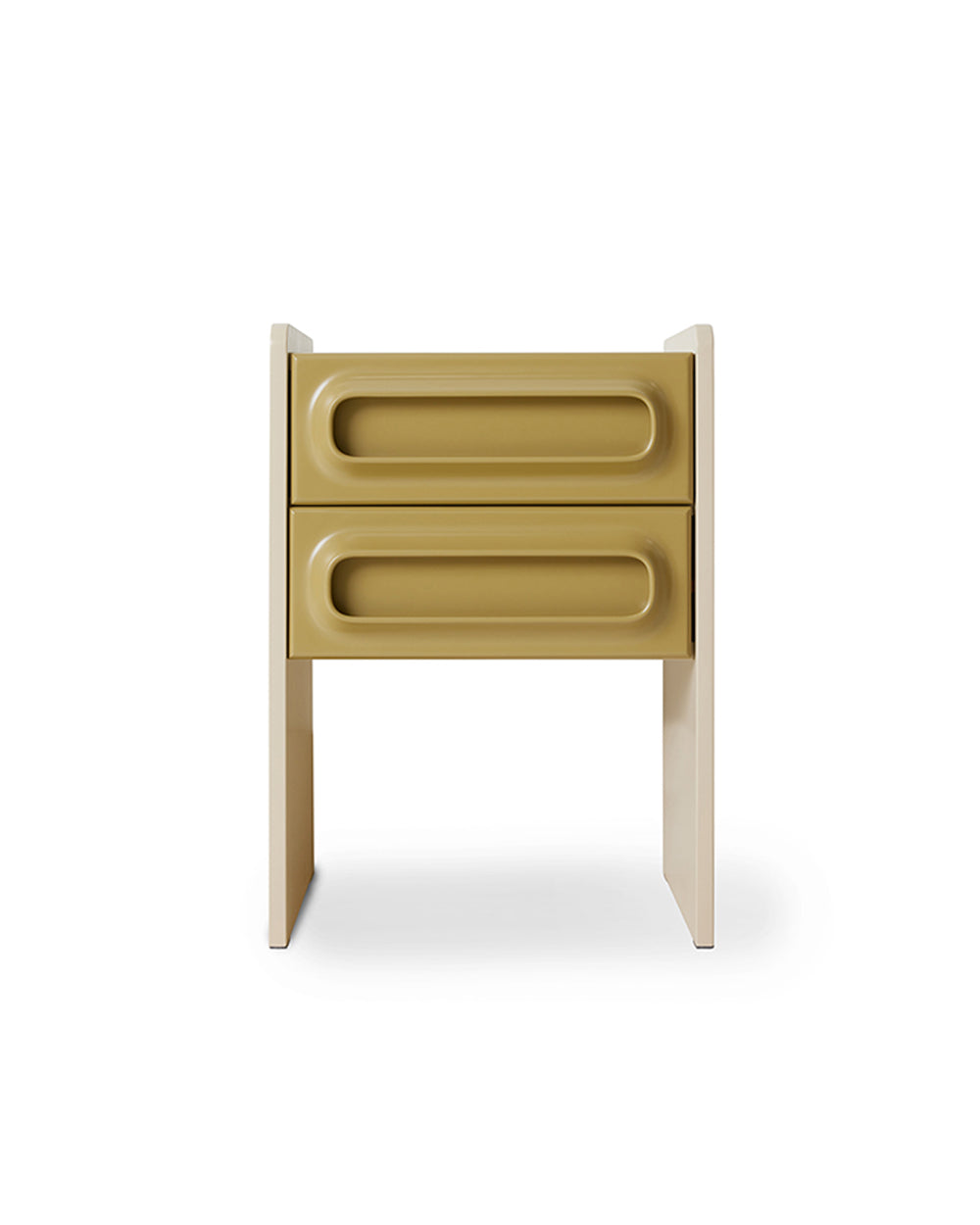
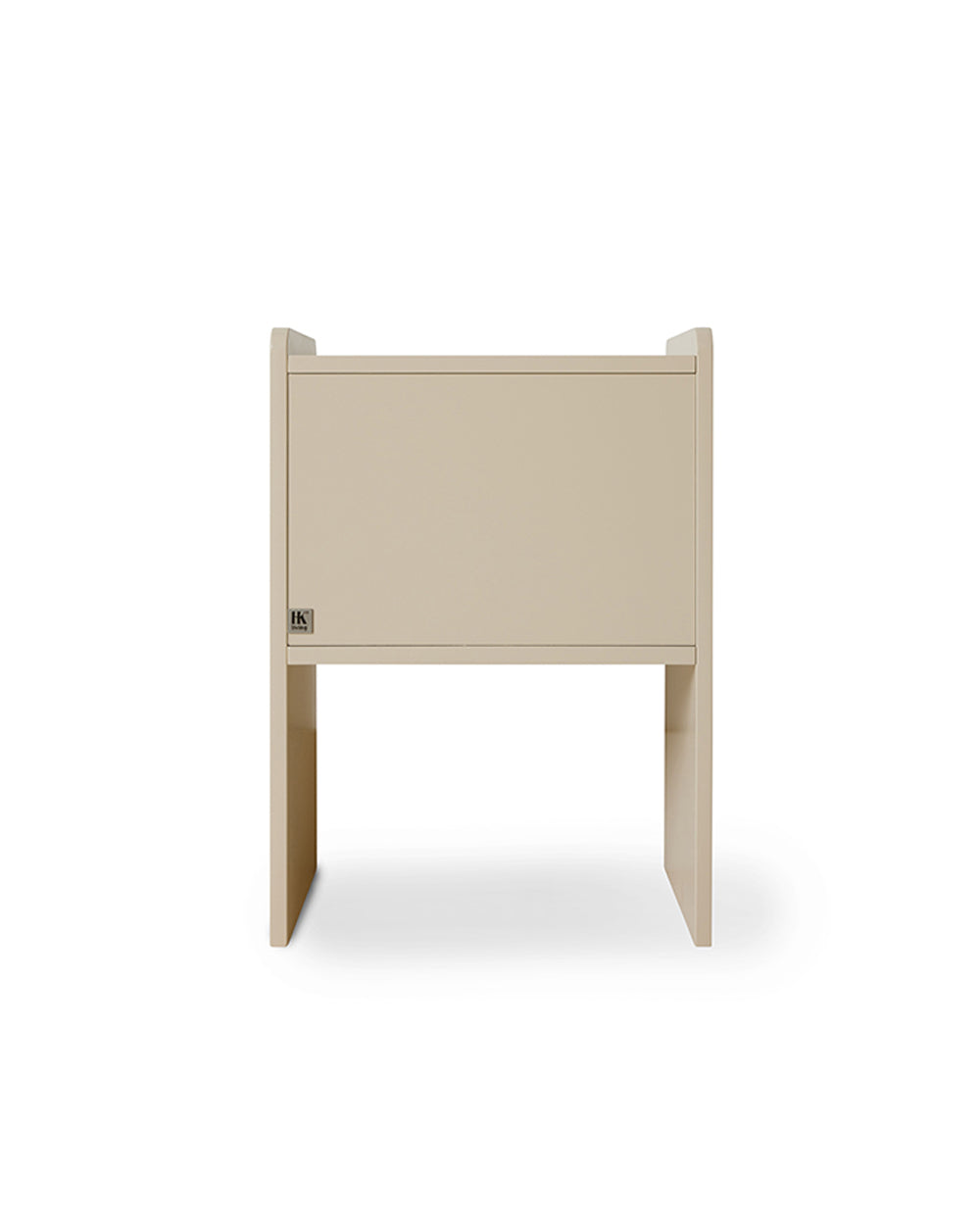
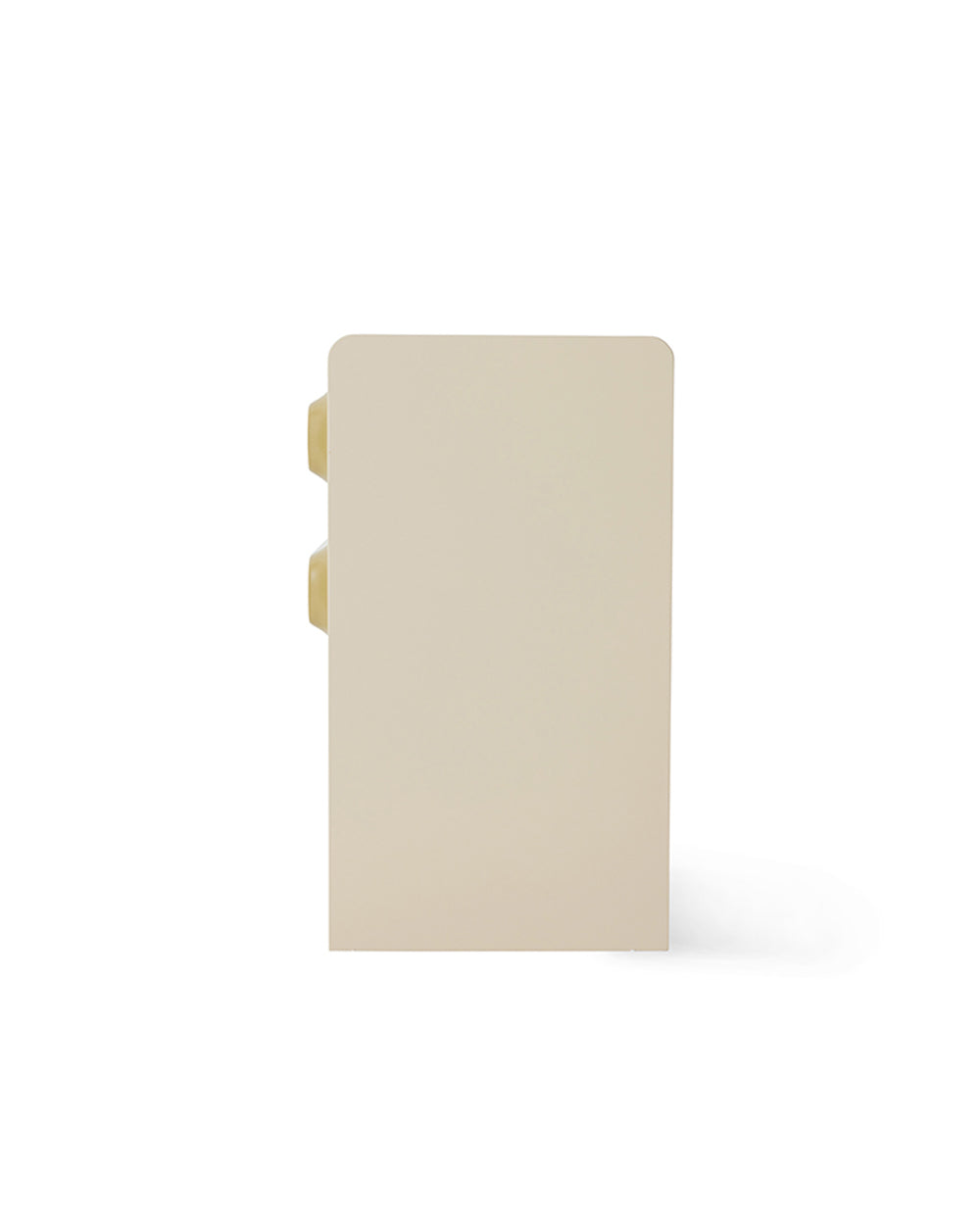
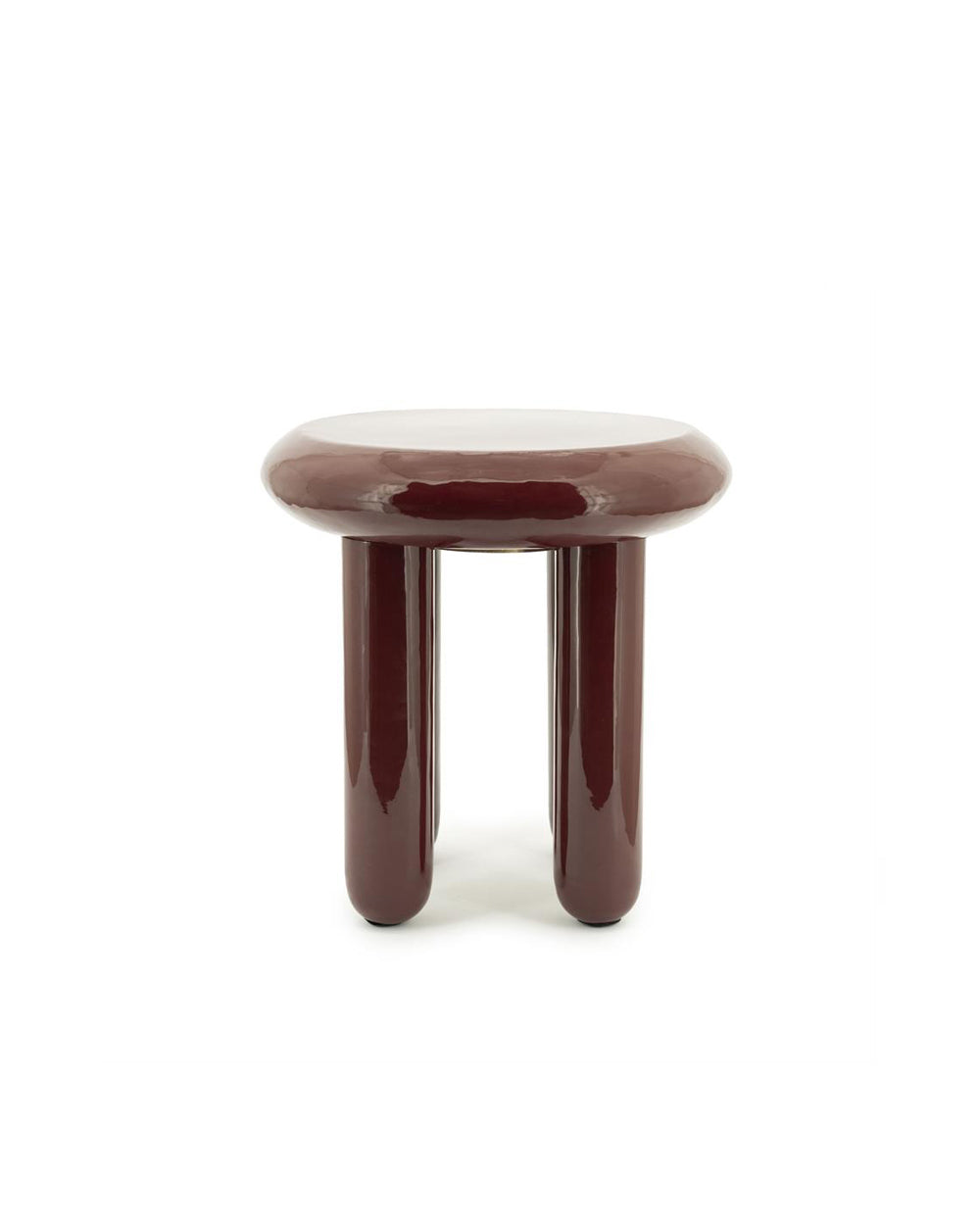
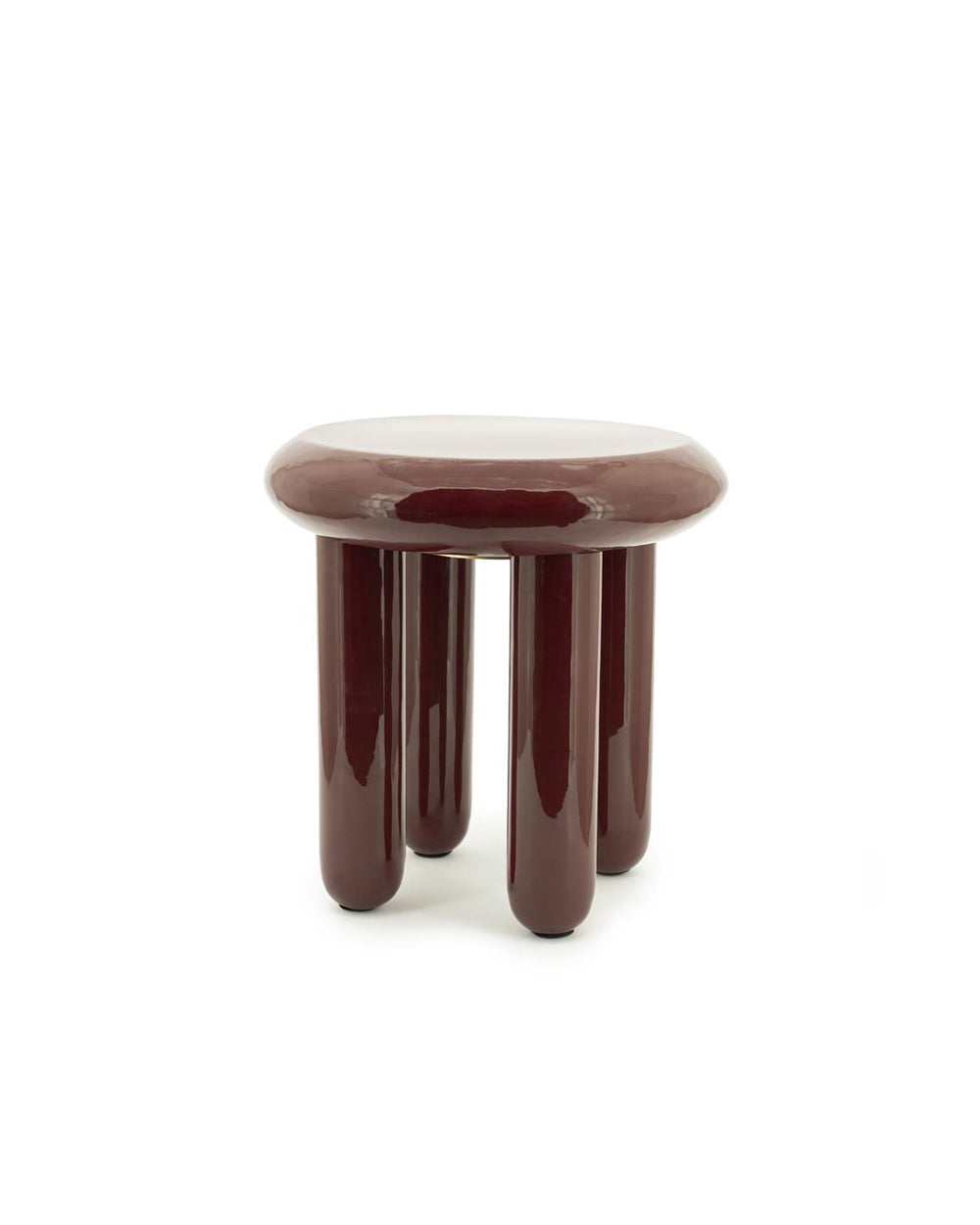
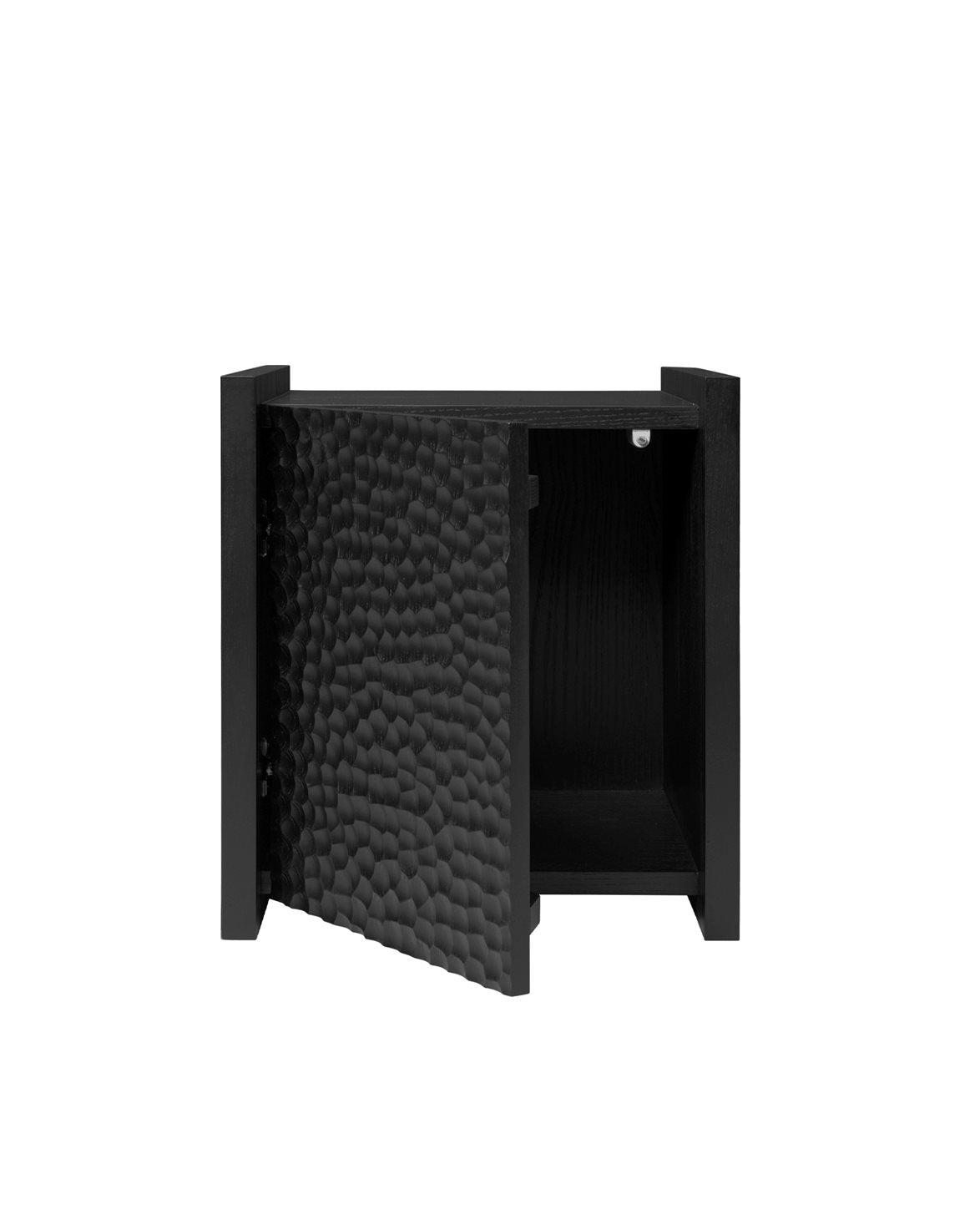
At Vallgatan 12, a curated selection of occasional tables and side tables brings together function, material and proportions, making them useful in different areas of the home. The range spans compact tables designed to sit beside sofas and armchairs, as well as pedestal tables, nesting tables and more sculptural models that also work as freestanding interior objects. Varying heights, shapes and materials make it possible to adapt the table to both the room’s proportions and its intended function.
Occasional tables and side tables are primarily used as smaller surfaces for placing items and can be positioned in living rooms, bedrooms, hallways and other parts of the home. Beside a sofa or armchair, a side table creates an easily accessible surface for lighting, books and smaller objects, while a smaller table in the hallway or bedroom can serve as a convenient place to set things down. Unlike larger coffee tables, occasional tables are usually designed to be more compact and flexible in placement.
Shape and height affect how the table works with the rest of the furnishings. Round side tables have a compact tabletop without corners and can be practical in smaller spaces, while square and rectangular models can be positioned closer to a wall, sofa or other piece of furniture. Organic and asymmetrical shapes create a freer silhouette and can be used to break up more linear furniture.
The table’s height should be adapted to its intended use and the furniture beside it. A side table next to a sofa or armchair is often placed approximately level with the armrest or slightly lower, making the tabletop easy to reach from the seat. Lower models can function as smaller coffee tables, while taller pedestal and column tables are suitable for decorative objects or as surfaces for placing items elsewhere in the room.
Nesting tables consist of two or more tables in different sizes, designed to fit wholly or partially beneath one another. This construction makes it possible to use several tables when extra surface space is needed and gather them into a smaller footprint when they are not in use. Other occasional tables are designed as freestanding objects and can easily be moved between different parts of the home as needed.
The construction of the base affects both stability and the table’s visual expression. Models with three or four legs have a traditional structure, while central columns, plinths and sculptural bases create different proportions. C-shaped side tables have an open base that, on some models, allows the base to slide under a sofa or armchair so that the tabletop can be positioned closer to the seat. Solid constructions in wood or stone provide greater visual weight, while slim metal frames can create a lighter expression.
Wood is a common material in occasional tables and side tables and is found both as solid wood and veneer. Oak, walnut, ash and other types of wood have natural variations in grain and texture. Solid wood consists of wood throughout the material’s thickness and can react to changes in temperature and humidity. Veneer consists of a thin layer of real wood applied to a stable substrate and is used to combine wood’s natural surface with a different construction.
Natural stone such as marble, travertine and granite is used in both tabletops and more solid side tables. Because natural stone is formed through geological processes, variations in veining, pores and texture are a natural part of the material. Different types of stone have different levels of hardness and porosity. Marble and travertine can be sensitive to acids and liquids, so spills should be wiped up quickly and the surface should be cared for with products suited to the specific stone.
Glassware is found in both tabletops and complete constructions and can create a visually lighter expression. Clear, tinted, frosted and textured glass are used to provide different degrees of transparency and surface character. Tempered glass is common in furniture construction because it has greater mechanical and thermal resistance than regular glass, but tempered glass still needs to be protected from scratches and strong impacts.
Metal such as steel, aluminium, iron and brass is used in legs, frames, tabletops and sculptural bases. The material may be polished, brushed, powder-coated, patinated or treated in other ways. Metal is often combined with wood, glass or natural stone, where the contrast between the materials’ textures and surface finishes becomes part of the table’s construction and expression.
Ceramics and other mineral-based materials are also found in occasional tables and side tables, particularly in models with a more sculptural character. Glazed surfaces can provide variations in sheen and texture, while unglazed surfaces often have a more matte and tactile finish. The material’s sensitivity to scratches, impacts and stains varies depending on the manufacturing method and surface treatment.
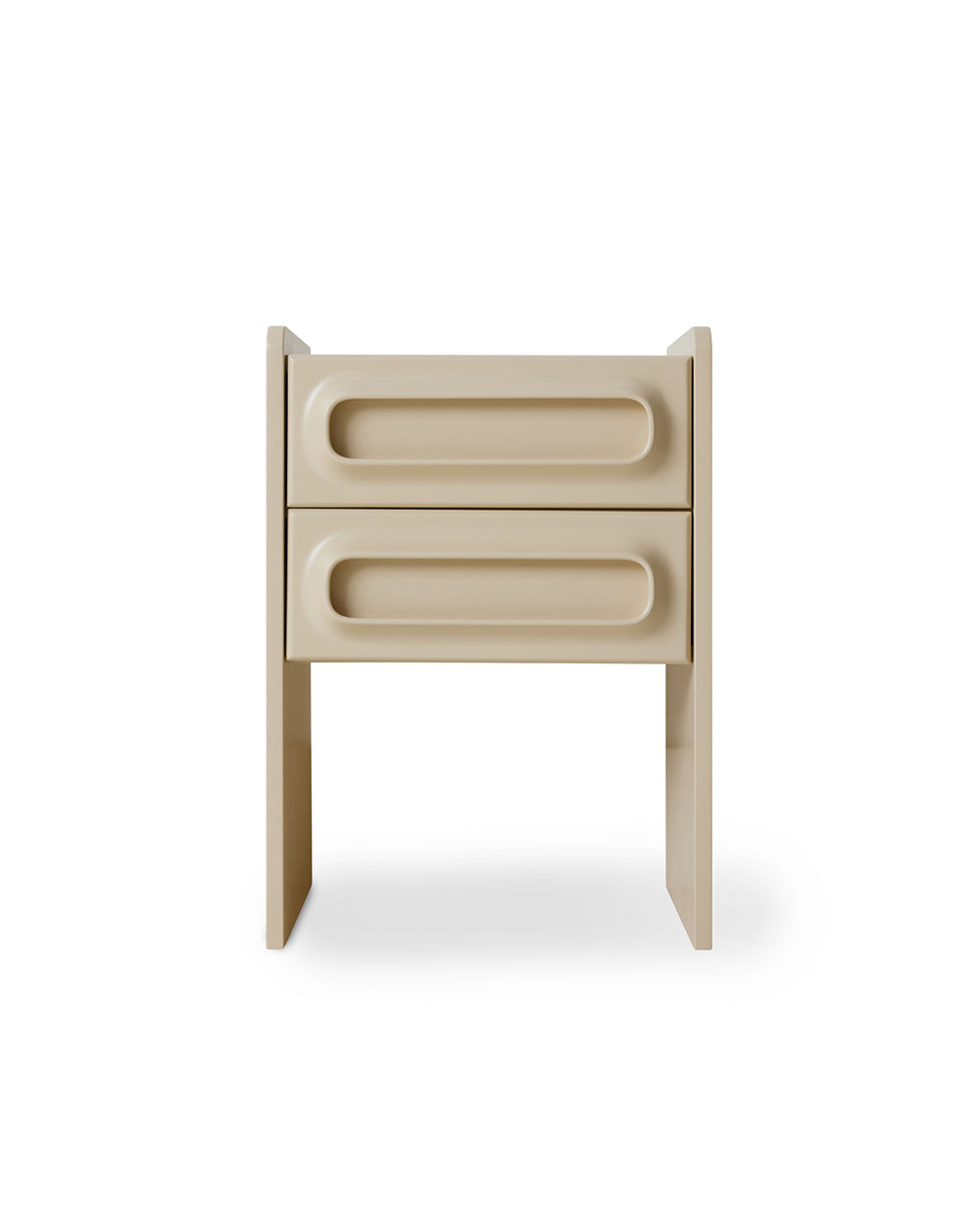
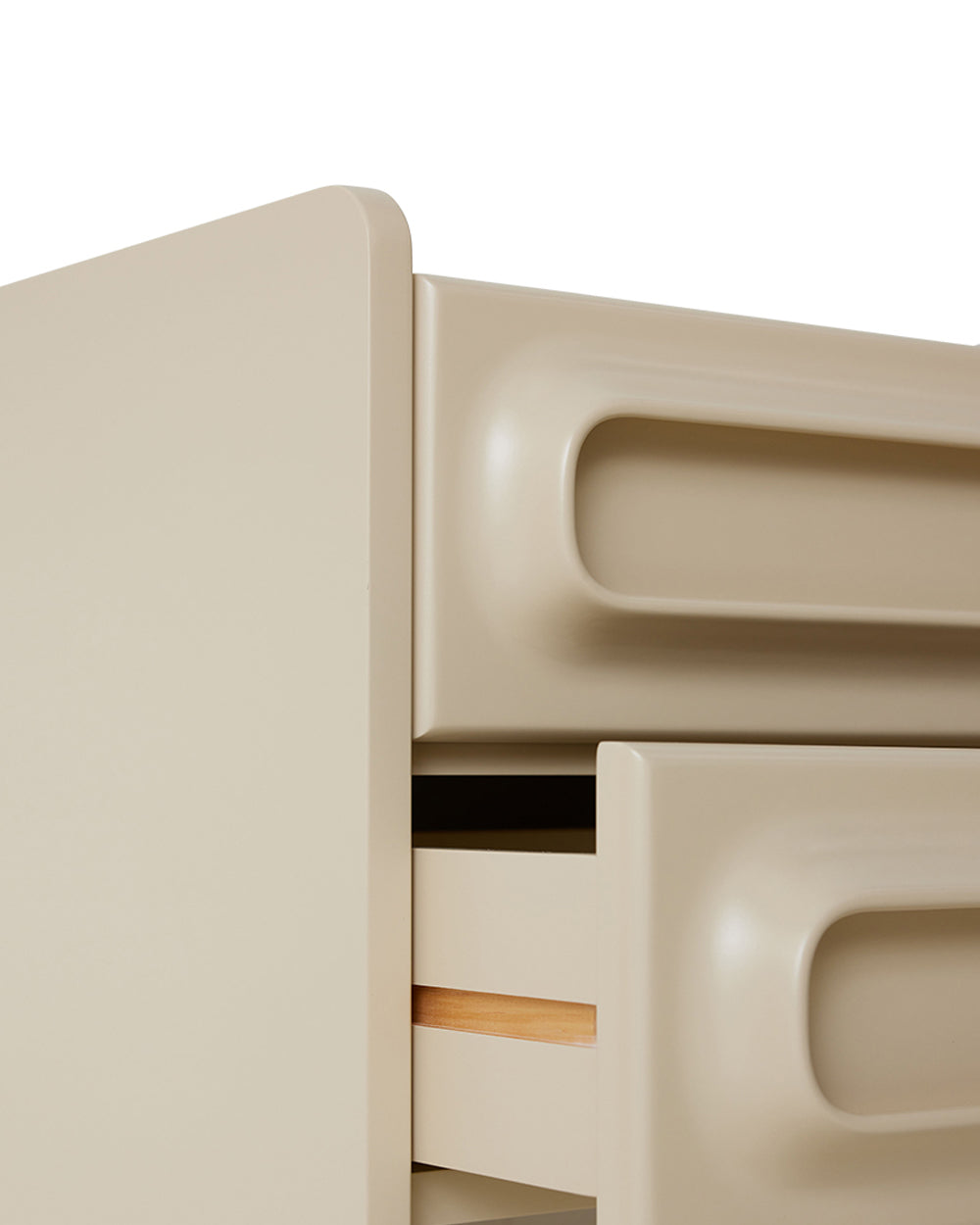
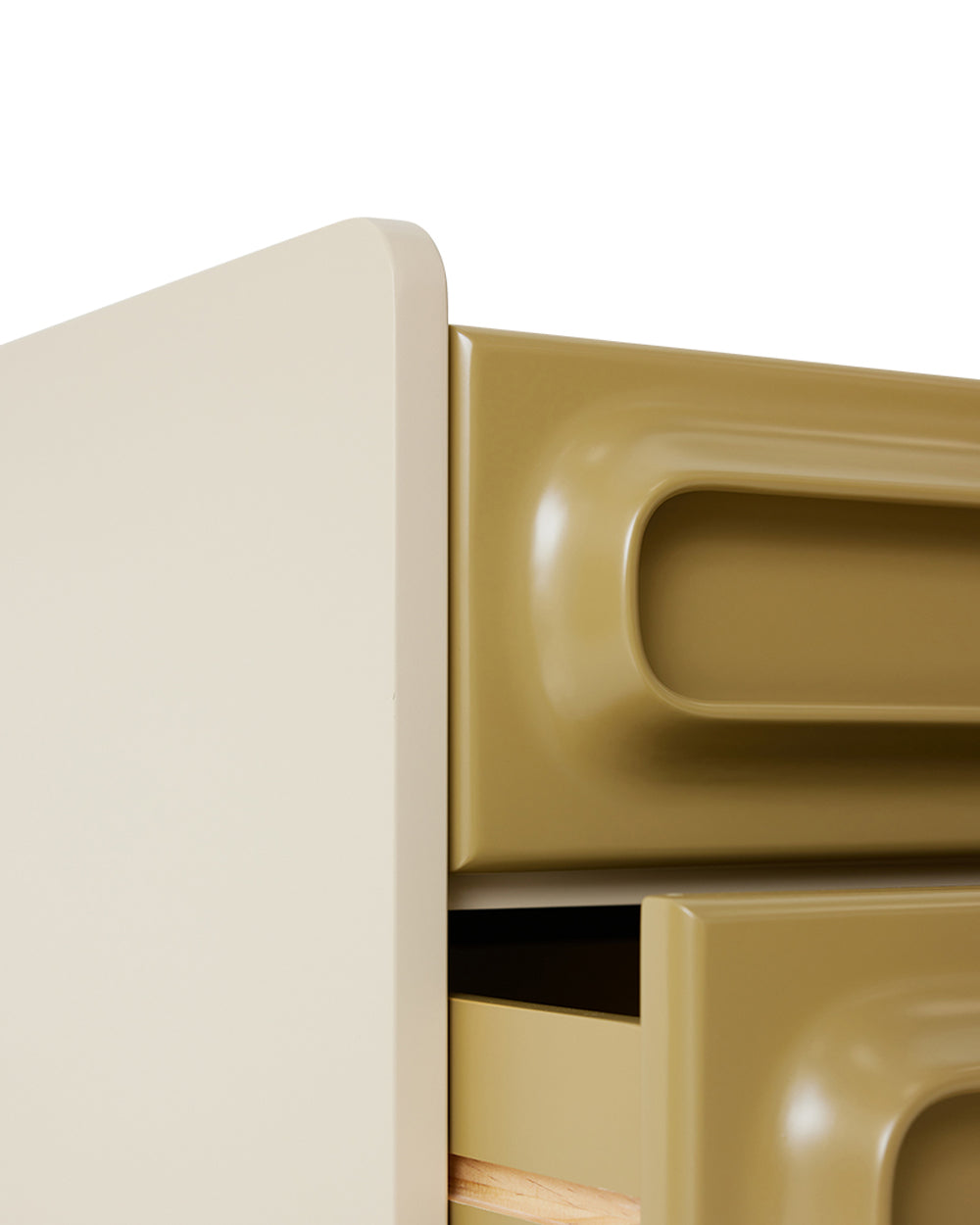
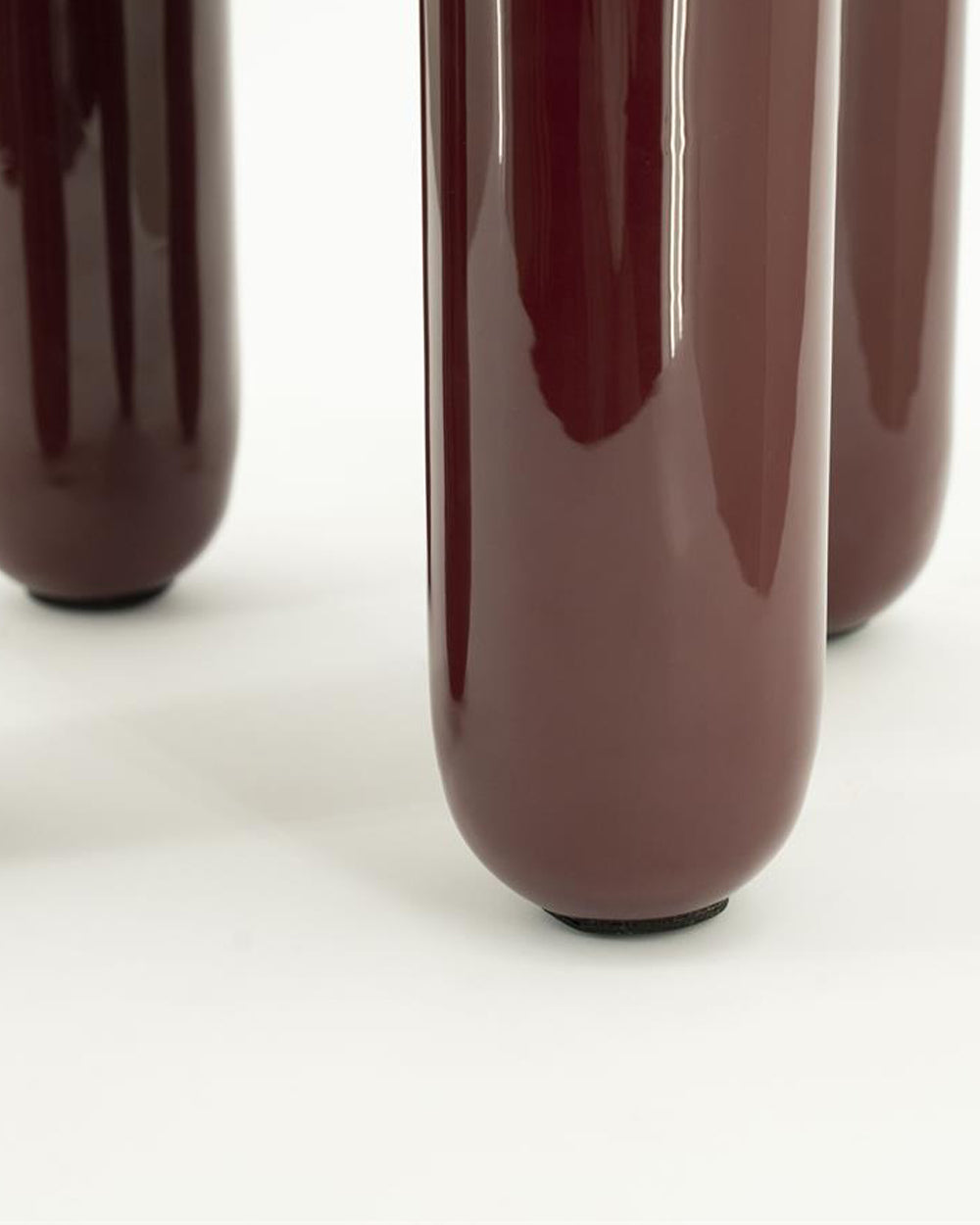
Details such as the tabletop’s edge profile, the placement of the legs, joints and material transitions affect the furniture’s overall impression. Rounded or bevelled edges can give the tabletop a softer profile, while thicker tops and solid bases create greater volume. Some models have integrated shelves, compartments or handles that provide additional function, while others have a more pared-back construction in which material and proportion take centre stage.
Occasional tables and side tables are used year-round, and their compact format makes them easy to adapt when the furniture arrangement changes. They can be used individually or combined in groups with varying heights and sizes. At the same time, placement should take walkways and other furniture into account so that the table does not restrict movement through the room. Direct sunlight, intense heat and major fluctuations in humidity can affect certain natural materials and surface treatments over time.
Proper care helps preserve the table’s surface and construction. Spills should be wiped up as soon as possible, especially on wood and porous natural stone. Coasters and mats should be used beneath glasses, cups, vases and hot objects to reduce the risk of moisture, heat and scratch marks. Wood should be cleaned and maintained according to its surface treatment, while natural stone should be cleaned with products suited to the specific type of stone. Glass can be cleaned with a soft cloth and suitable cleaning product, while metal and ceramics should be treated according to their respective surface finishes. The manufacturer’s specific care instructions should always be followed.
Vallgatan 12’s selection of occasional tables and side tables includes models in which compact format, material and function work together. From round and rectangular side tables to nesting tables, pedestal tables and more sculptural constructions, the range offers varying heights, shapes and materials for the home’s different rooms and uses.