








Blazers
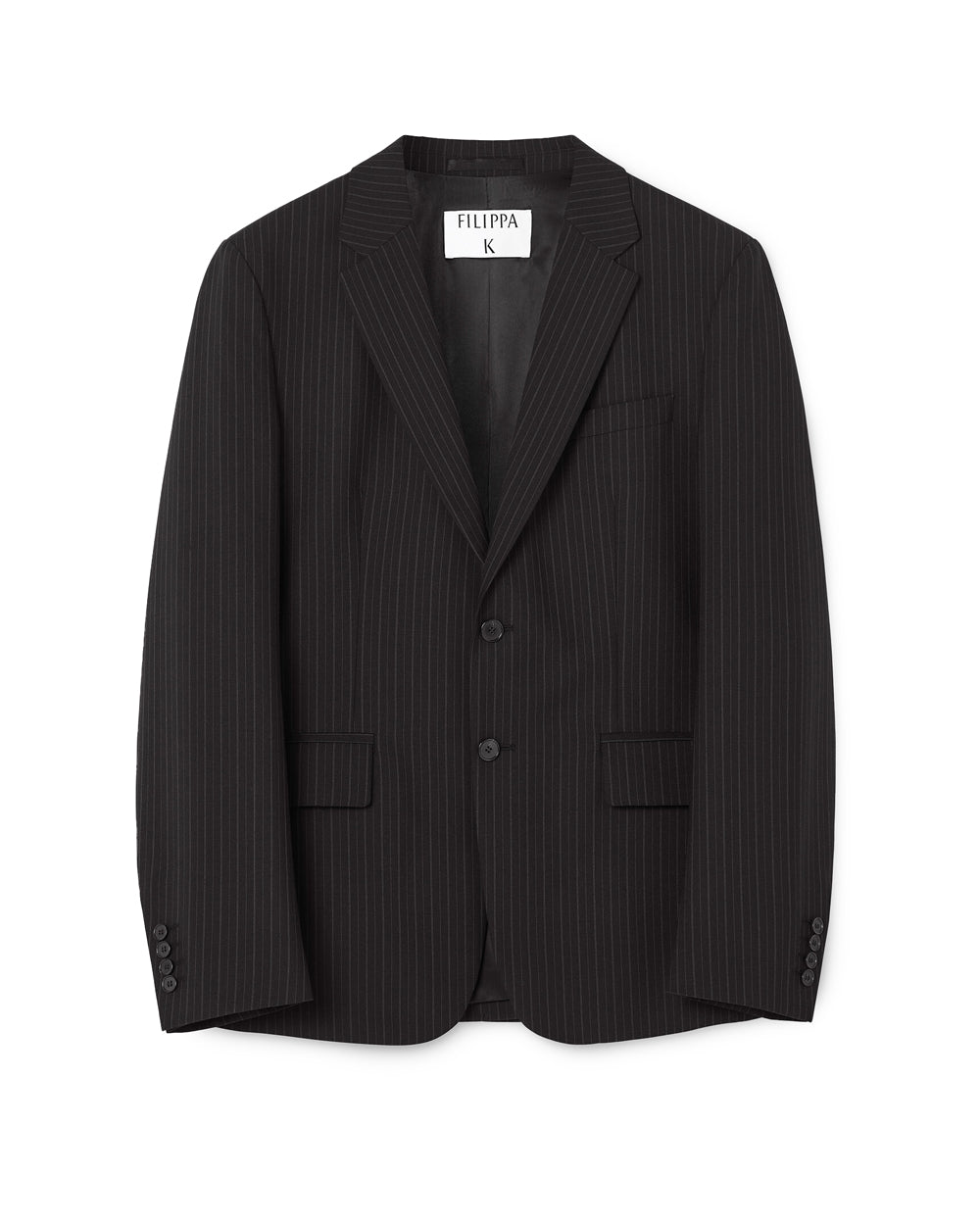
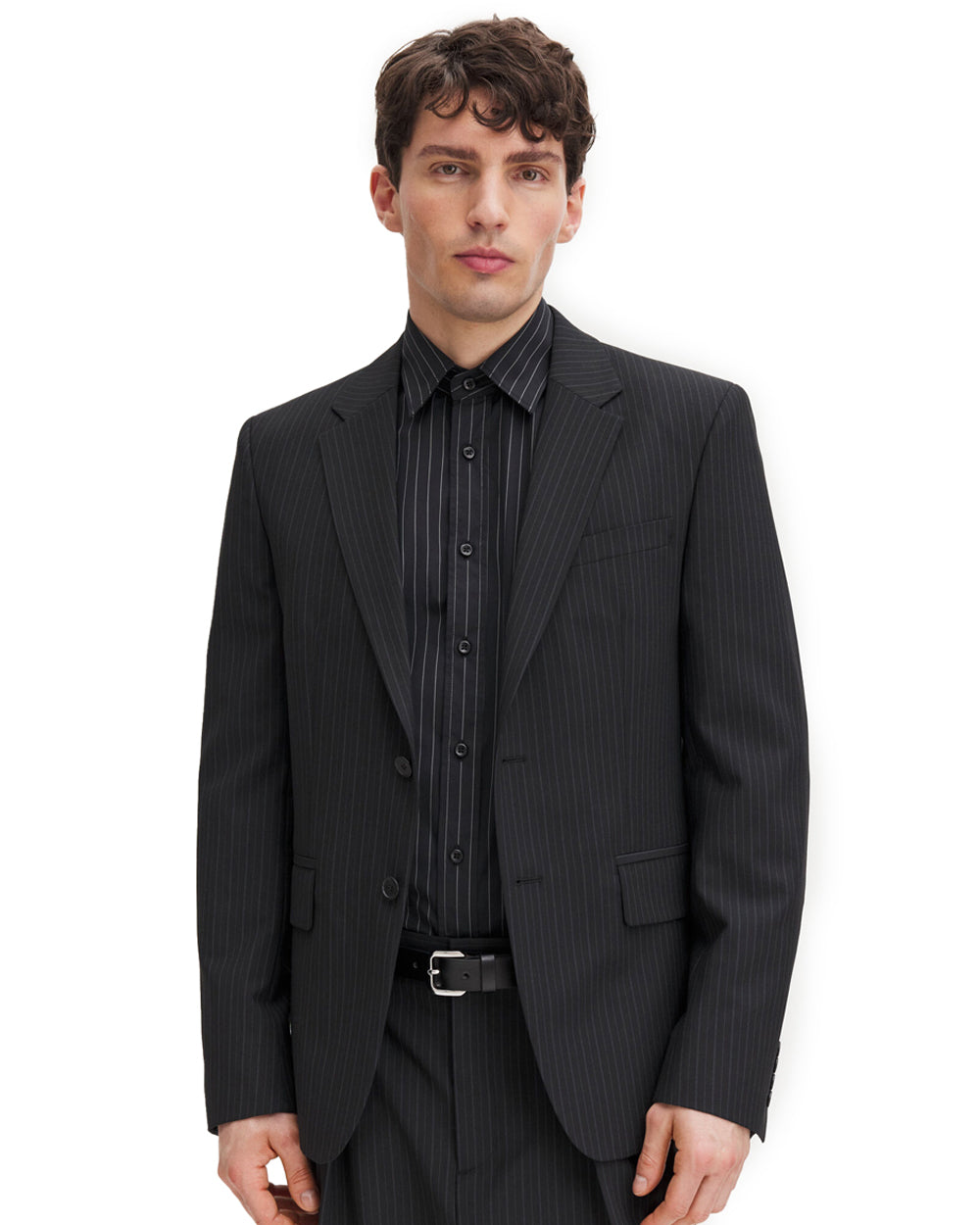
Vallgatan 12 offers a carefully curated selection of blazers from established and contemporary brands, from classically tailored styles to more relaxed and modern silhouettes. The range includes both single-breasted and double-breasted blazers, oversize styles and more fitted constructions in materials such as wool, cotton, linen and various blends.
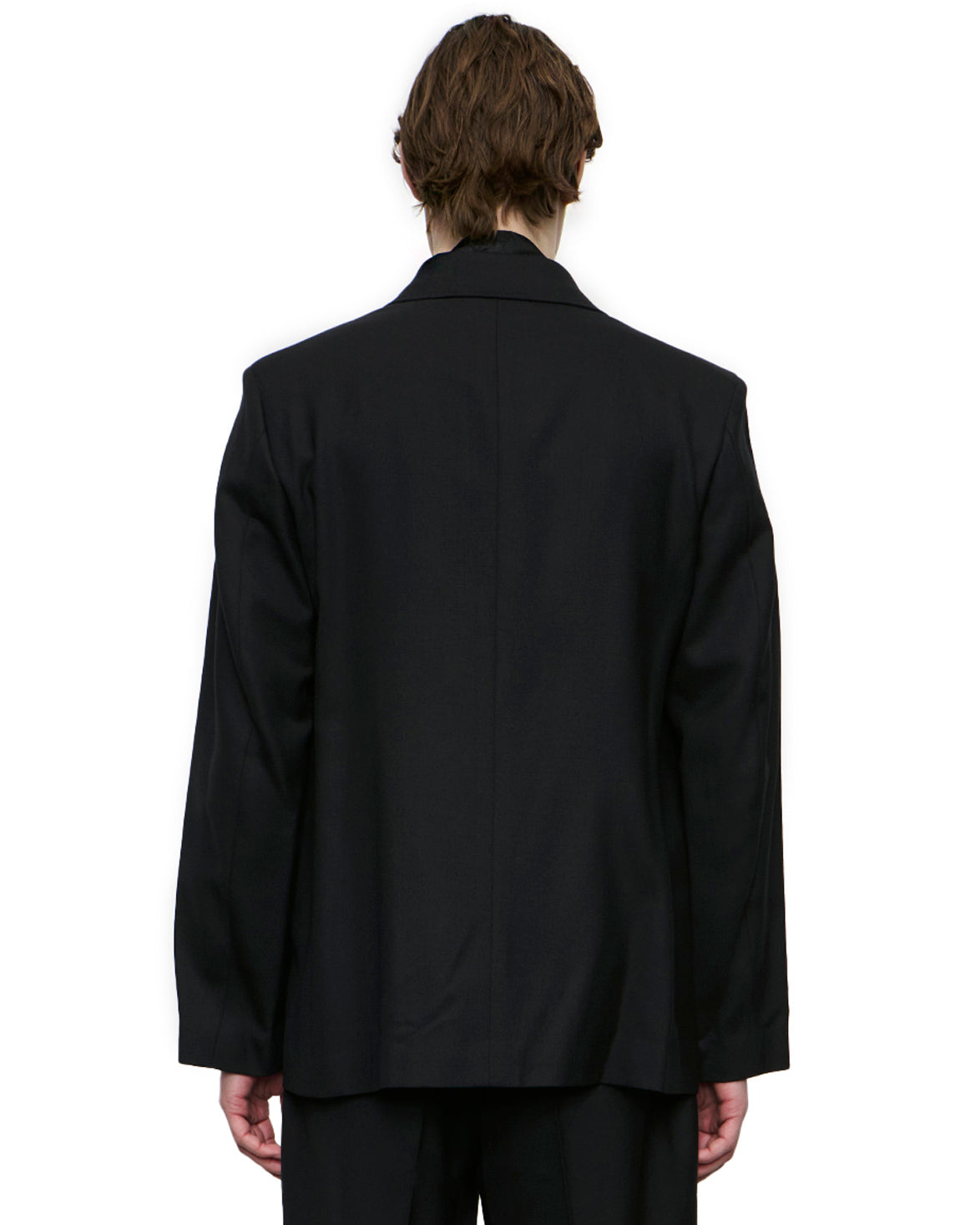
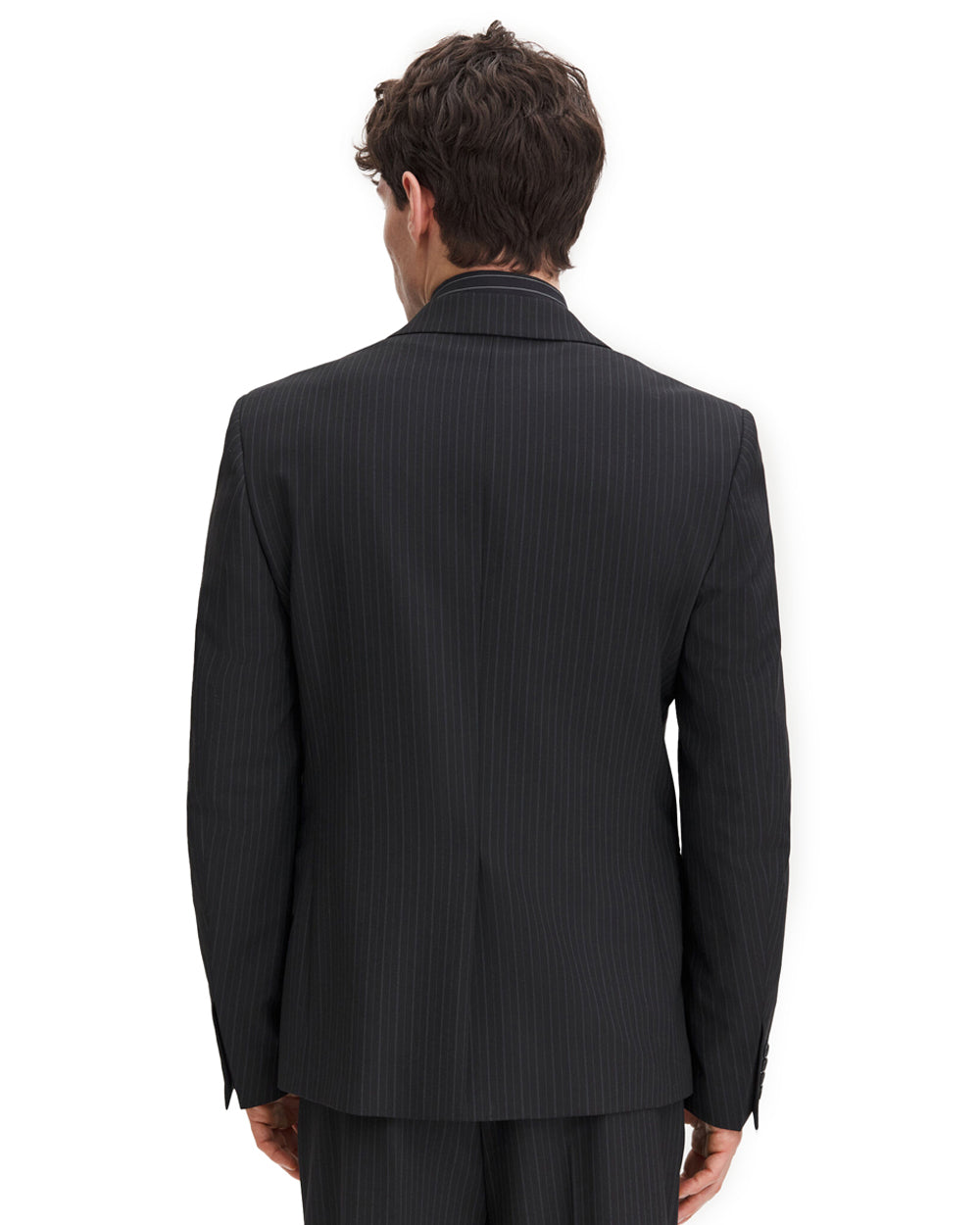
A blazer's silhouette is shaped by factors including shoulder width, waist shaping, lapels, fastening and garment length. A classically tailored blazer usually has a more defined shoulder and balanced proportions between the torso and sleeve, while an oversize blazer has a roomier construction with broader shoulders and more volume through the body. A fitted style follows the body's lines more closely and may have a shaped waist, while a straight or boxy blazer has a less defined waist and a more relaxed drape.
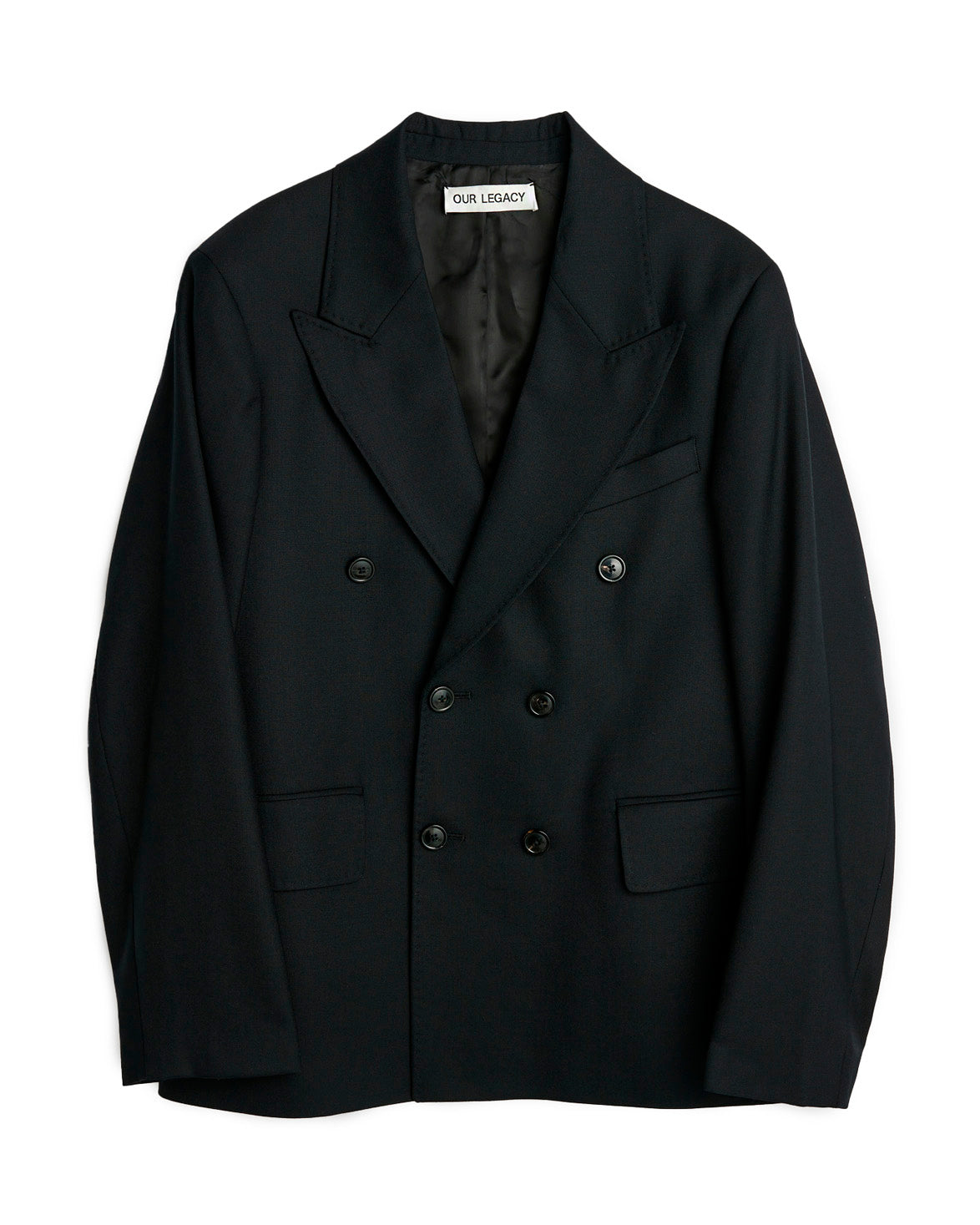
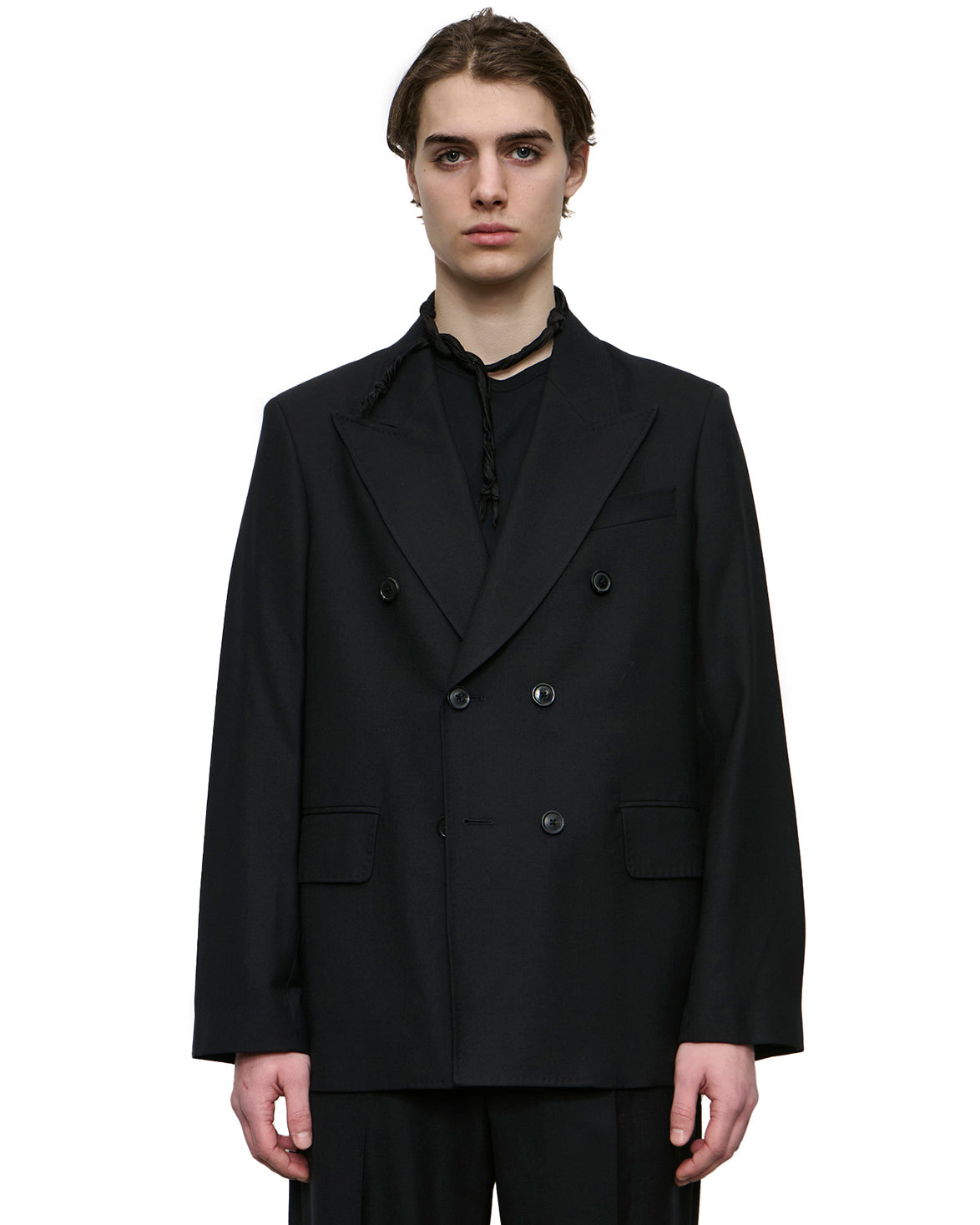
Blazers are also classified by construction and fastening. Single-breasted styles have one row of buttons and are the most common construction, while double-breasted blazers have overlapping front panels and two rows of buttons. Lapels may be pointed, known as peak lapels, or have a more rounded shape, known as notch lapels. Shawl lapels are found primarily on tuxedos and eveningwear. The construction of the pockets, sleeve buttons, vents and shoulders also affects both the garment's function and visual proportions.
A blazer's construction can be built with varying degrees of interlining and structure. A more structured blazer may have padded shoulders, a chest piece and interlining that give the garment a clearer shape and more defined drape. Unlined or partially lined styles have a softer and lighter construction and are often used in more relaxed blazers. The construction also affects how the garment moves and how well it retains its shape during wear.
The material has a major impact on a blazer's drape, comfort, structure and intended use. Wool is a common material in tailored blazers because the fibre provides good temperature regulation, natural elasticity and the ability to return to its original shape after wear. Wool can be woven in both lighter and heavier weights and is therefore used in blazers for different seasons. Cotton often provides a somewhat more relaxed and robust construction, while linen is light and breathable and is particularly suited to warmer temperatures. Viscose and lyocell can contribute to a softer drape, while synthetic fibres such as polyester and polyamide may be used to increase shape retention, durability or crease resistance.
Blazers may also contain elastane or other stretch fibres to provide greater freedom of movement. Material blends combine different fibre properties and can, for example, offer a balance between structure, comfort and durability. The fabric's weight, weave and surface texture also affect how the blazer drapes and performs. Smooth wool fabrics often create a more formal expression, while twill, linen, cotton and textured weaves can give a more relaxed character.
A blazer's intended use varies depending on its material, construction and details. A suit blazer is designed to be worn with matching trousers and usually has a more formal construction. A separate blazer can be combined with other trousers and is used in settings where more flexible clothing is appropriate. More relaxed styles may have a softer construction, less defined shoulders and be made from materials such as jersey, cotton or linen. Blazers can therefore function both as part of formal attire and as a more casual layer in everyday wear.
Proper care is important for preserving a blazer's shape, material and construction. Wool blazers should primarily be aired between wears and cleaned according to the garment's specific care instructions. Many tailored blazers should not be machine-washed, as water and mechanical treatment can affect the interlining, lining and shape. Dry cleaning may be suitable for some constructions, but should not be used more often than required by the material and the manufacturer's recommendations. Linen and cotton can in some cases be washed, but here too the garment's individual care instructions should be followed.
Storage also affects a blazer's lifespan. A blazer should be hung on a wider hanger that supports the shoulders and helps the garment retain its construction. After wear, it can be beneficial to air the blazer before returning it to the wardrobe. Steam can be used on some materials to reduce creases, but should be handled with consideration for the material's sensitivity and the garment's construction. Blazers with delicate fabrics or advanced tailoring may require professional cleaning and handling.
Vallgatan 12's selection of blazers includes various silhouettes, constructions and materials, from classically tailored and double-breasted styles to softer, oversize and more relaxed options. Variations in fit, fabric and details make the category relevant for both formal settings and more everyday combinations, with styles that can be adapted to the season, dress code and intended use.