




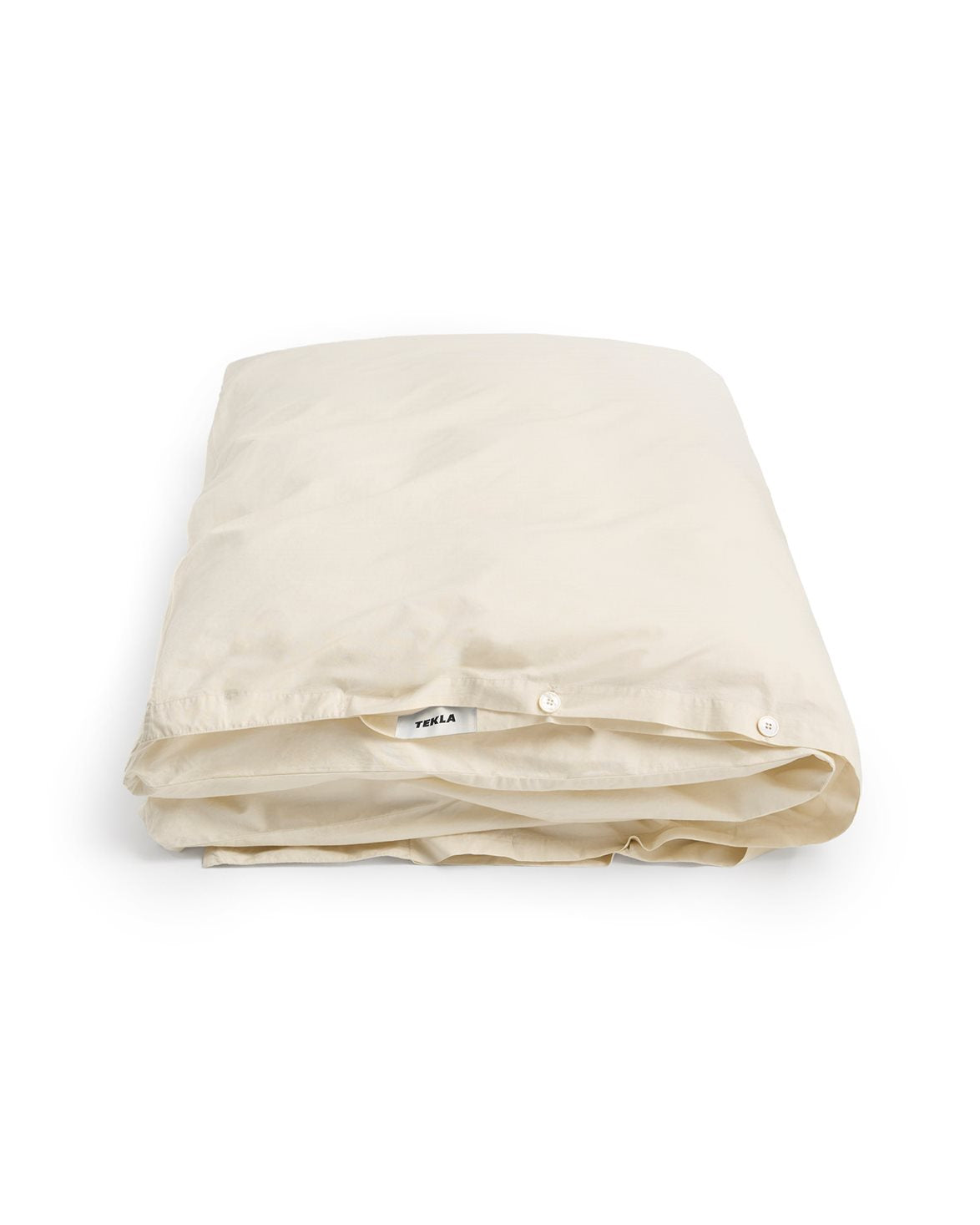





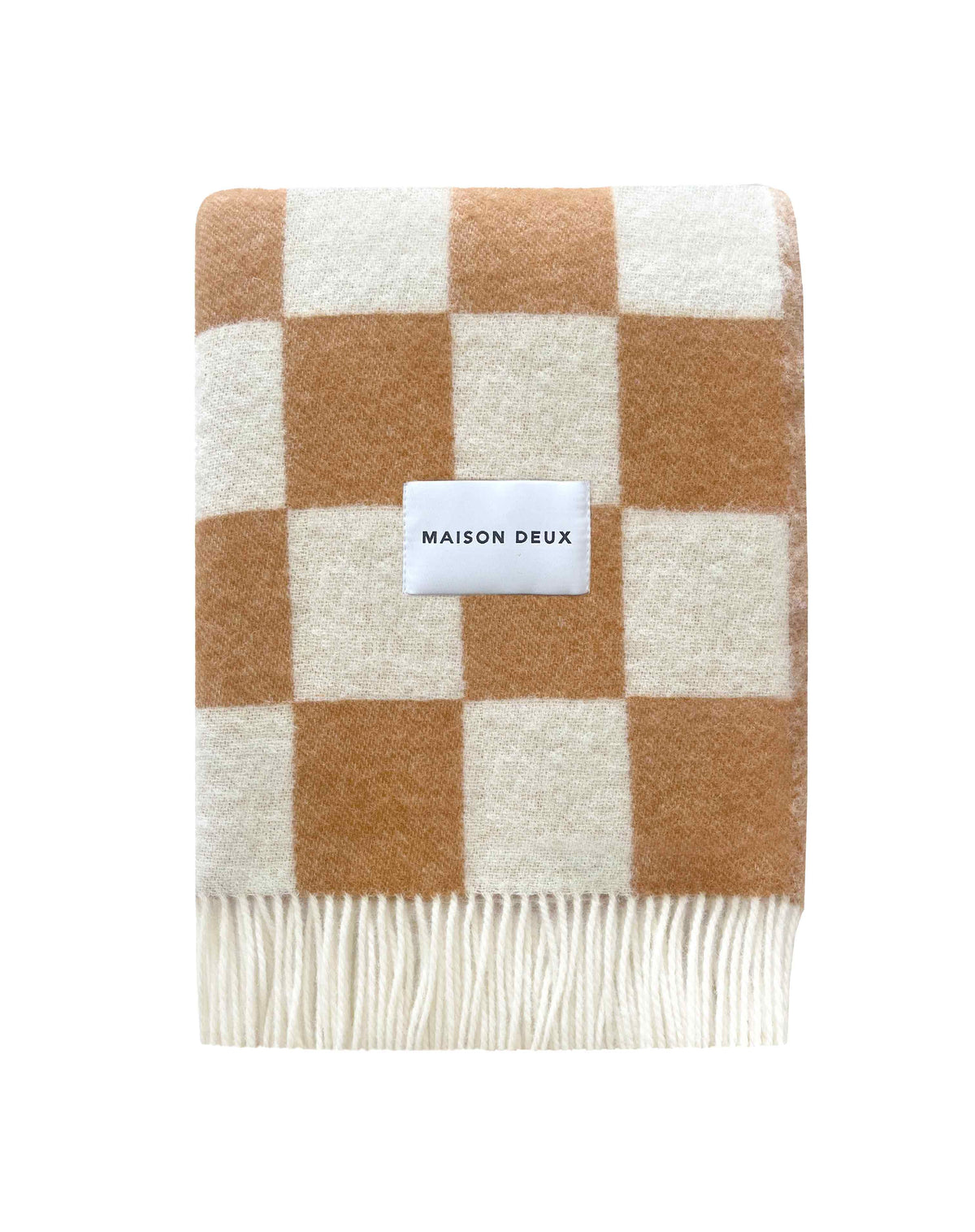
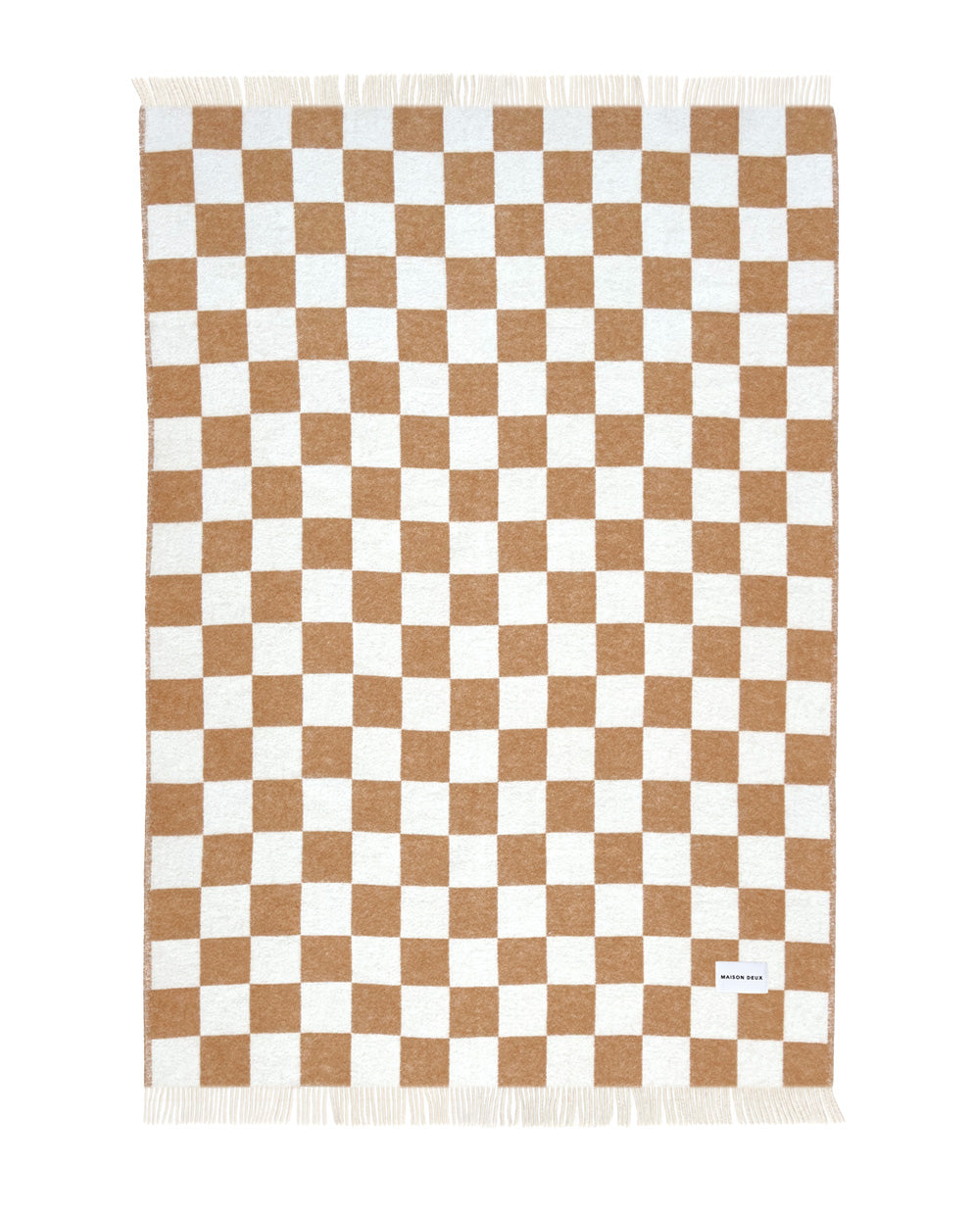


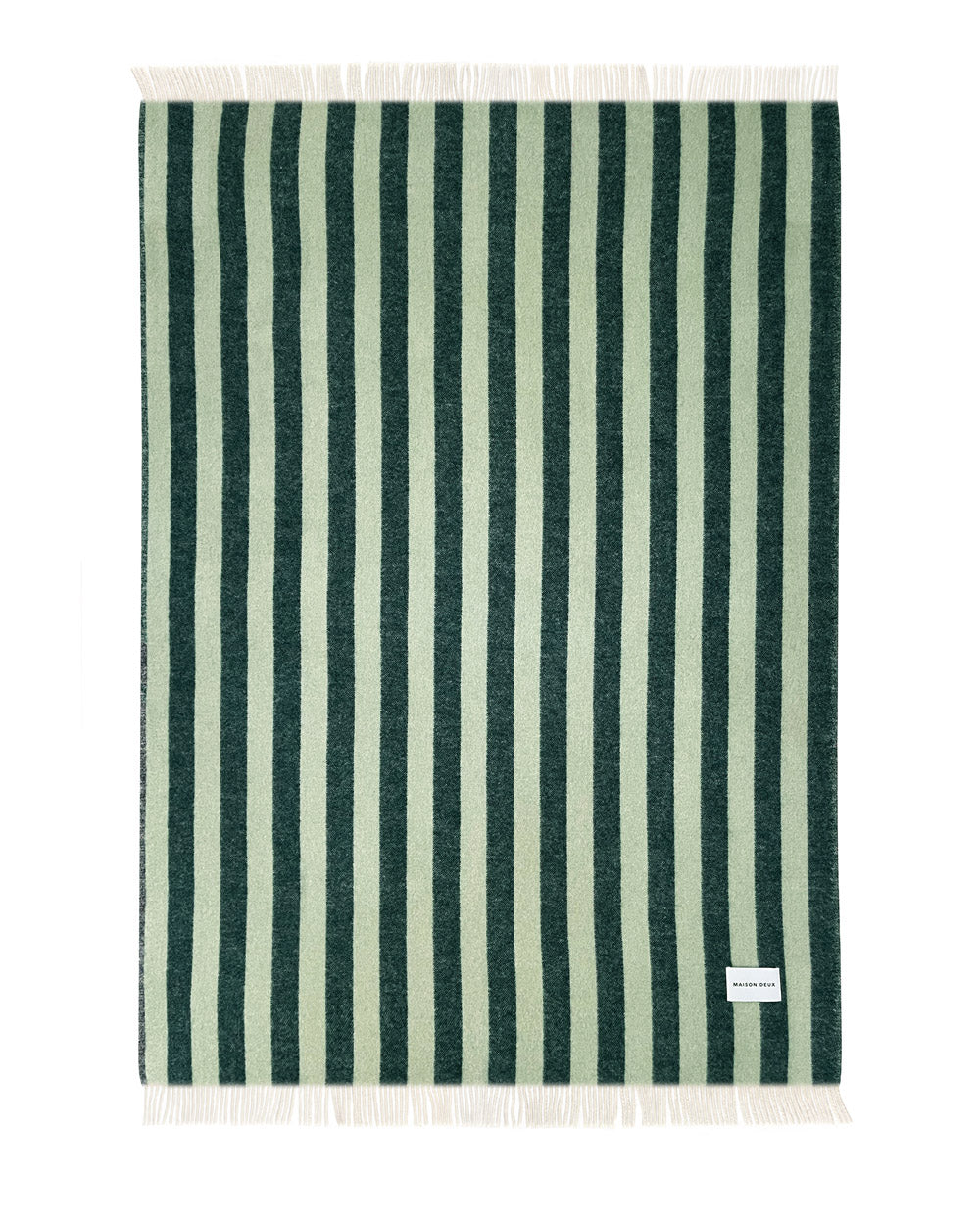

Duvet Covers
At Vallgatan 12, a curated selection of Duvet Covers brings together designs intended to protect the duvet while contributing to the bedroom's overall textile aesthetic. The range includes Duvet Covers in various sizes, materials and weaving techniques, from cool and smooth cotton qualities to softer, more textured and warming textiles. The material's fiber, weave construction and surface treatment affect the feel against the skin, temperature regulation and how the bedding drapes.
Duvet Covers enclose the duvet and function as a removable layer that can be washed regularly. This reduces the duvet's direct contact with skin, sweat and other particles and makes it easier to keep the bedding clean. Duvet Covers are usually used together with fitted sheets and pillowcases, where materials and weaves can be combined to create coordinated bedding.
The size of the Duvet Cover needs to be adapted to the duvet's dimensions. Duvet Covers for single and double duvets are available in several dimensions, and standard measurements may differ between countries and manufacturers. A Duvet Cover that is too large can allow the duvet to shift more inside the cover, while one that is too small can compress the duvet and affect how it is distributed. The product's exact dimensions should therefore always be compared with those of the duvet before choosing a size.
Cotton is one of the most common materials used in Duvet Covers and is valued for its combination of softness, durability and ability to absorb moisture. Fiber quality is affected, among other things, by length and fineness, with longer cotton fibers able to be spun into finer, more even yarn. Terms such as long-staple cotton and extra-long-staple cotton describe the fiber length, while Egyptian cotton and Pima cotton, for example, refer to specific types or origins and do not in themselves describe the weaving technique.
Percale is a closely woven plain weave that usually creates a smooth, matte and relatively crisp surface. This construction makes percale a common choice for bed linen when a light and cool feel is desired. Satin, often called cotton satin when woven from cotton, uses a different weave in which the threads pass over several threads before being bound down. This creates a smoother surface with a softer drape and a subtle sheen.
Thread density, often stated as thread count, describes the number of threads within a specified area of fabric. A higher thread count does not automatically mean higher quality. Fiber material, yarn quality, weaving technique and finishing together have a significant impact on the textile's feel, durability and function. Thread density should therefore be considered one of several properties when comparing different Duvet Covers.
Linen is also used in Duvet Covers and is made from fibers from the flax plant. The material has a characteristic texture and usually becomes softer through use and washing. Linen can absorb and release moisture and is therefore used in bed textiles throughout the year. Its naturally varied surface and tendency to crease are part of the material's character rather than signs of reduced quality.
Other cellulose-based fibers such as Lyocell and viscose occur both separately and in blends with materials such as cotton. Lyocell is made from regenerated cellulose and can produce a smooth, soft textile with good moisture management. Fiber properties are also affected by the yarn, weave and finishing, meaning that Duvet Covers with the same fiber composition may feel different.
Flannel is a quality in which the fabric surface is brushed to raise the fibers and create a softer, more insulating structure. Cotton flannel is therefore often used during the cooler months of the year. Seersucker, by contrast, has a characteristically puckered surface created through weaving or finishing, causing parts of the fabric to sit less closely against the body. Bäckebölja and other textured weaves may also be used in bed textiles.
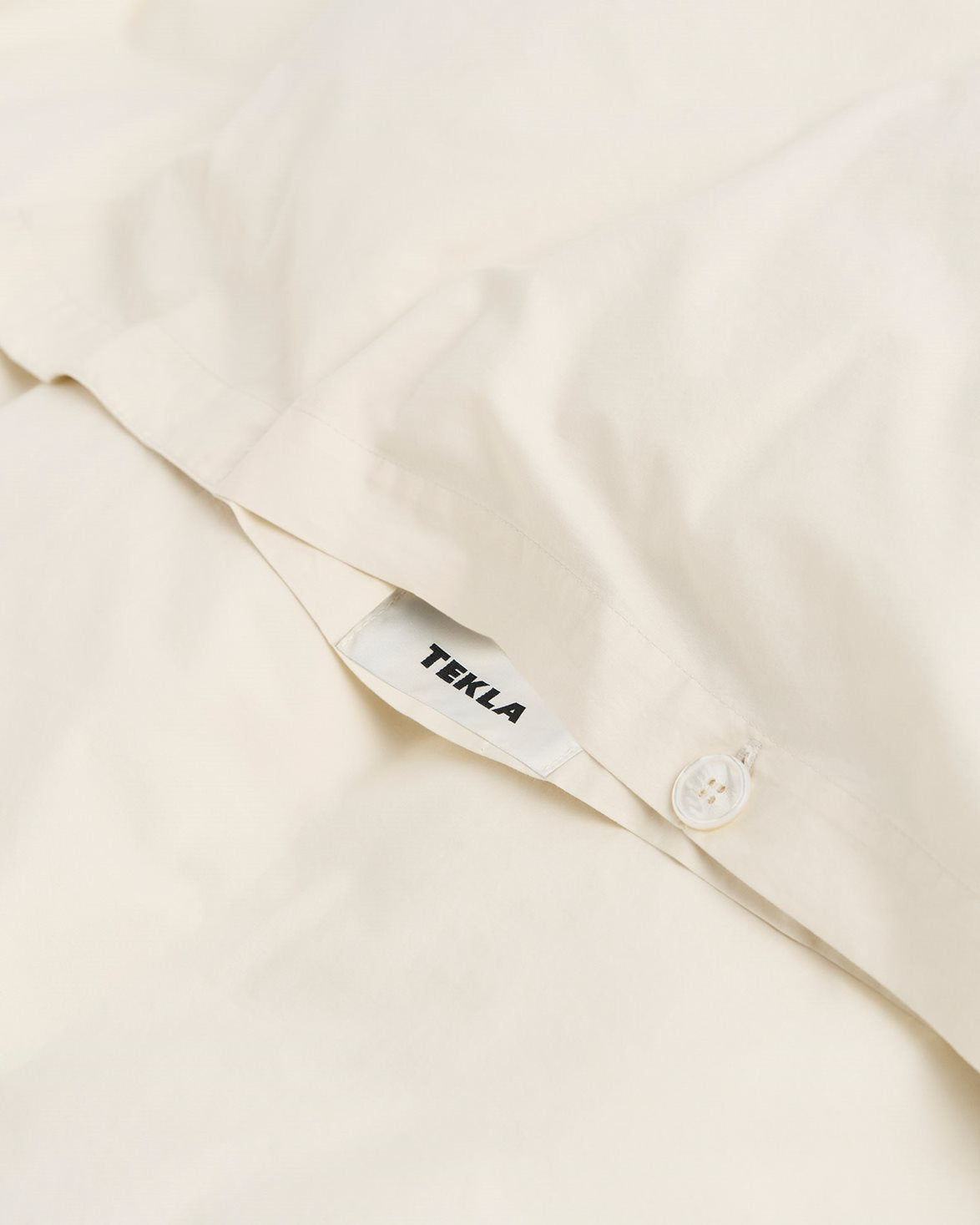
The construction of the Duvet Cover varies between models. The opening may be positioned along the lower edge and closed with buttons, press studs, zip or other solutions. Some models have an open construction without a separate closure. Internal ties or fasteners are present on some Duvet Covers and can be used with compatible duvets to keep the duvet in place.
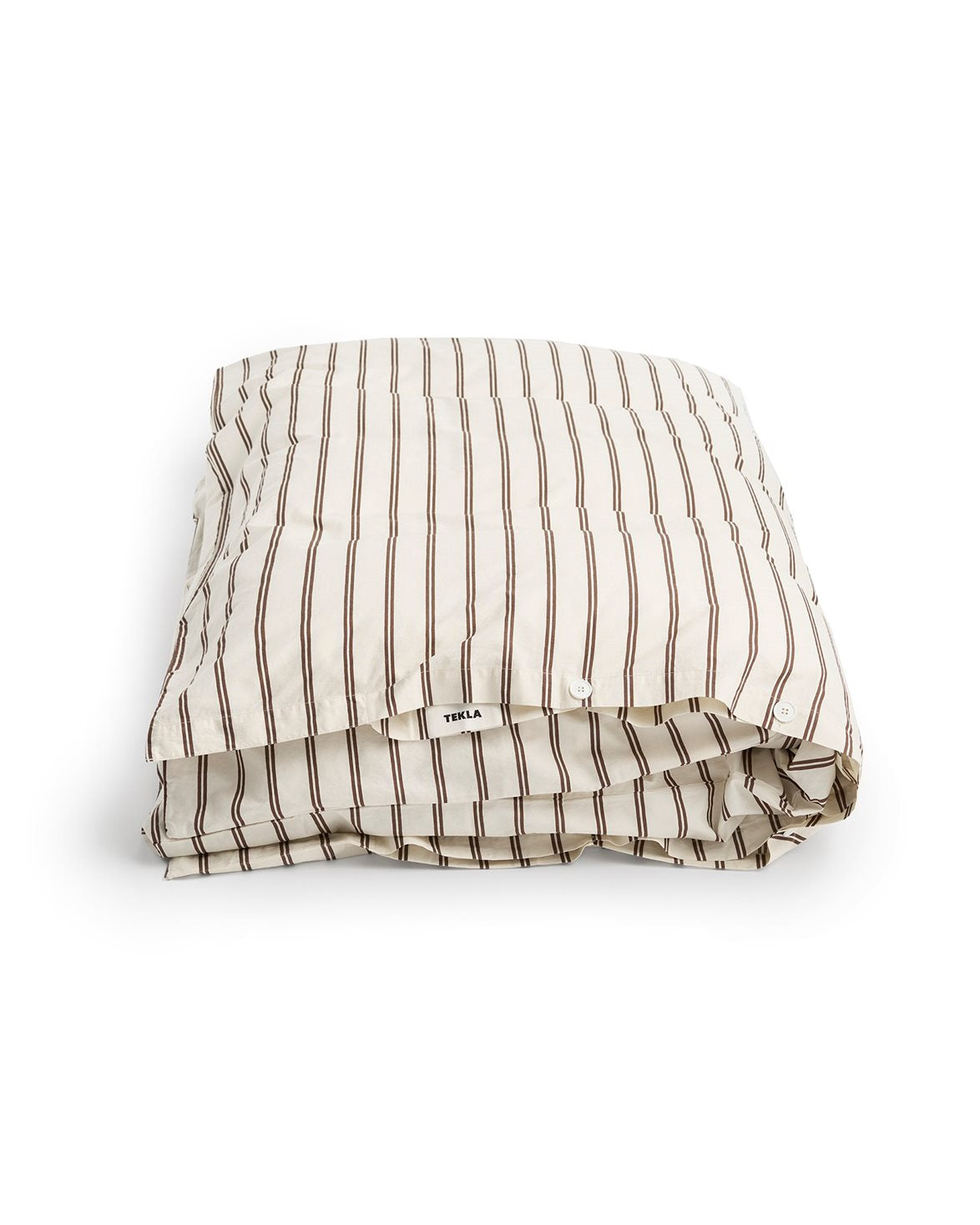
Details such as decorative seams, piping, embroidery, woven stripes and contrasting edges can be used to emphasize the construction of the Duvet Cover. Patterns may be printed, embroidered or created directly in the weave using techniques such as jacquard. Solid-colour Duvet Covers instead allow the material's texture, weave and finish to have greater importance in the visual expression.
Different materials and weaving techniques can be adapted to the season and individual sleeping temperature. Lightweight percale, linen and other airy qualities are often used during warmer periods, while flannel and denser textiles can provide a warmer feel in autumn and winter. Cotton satin and many other cotton qualities work year-round. How warm a Duvet Cover feels is also affected by the duvet, bedroom temperature and individual preferences.
Proper care helps preserve the Duvet Cover's fibers, shape and surface. Washing temperature and drying should always be adapted to the material's care instructions. Duvet Covers are best washed inside out and with buttons or zip closed when the construction allows, which can reduce wear on both the surface and details. The washing machine should not be overfilled, as the textile needs space to be rinsed properly.
Cotton and linen generally withstand regular washing, but the exact temperature varies depending on the quality, dyeing and the manufacturer's recommendations. High temperatures during washing and tumble drying can contribute to shrinkage and increased fiber wear. Linen should be handled so that the fibers are not exposed to unnecessarily rough mechanical treatment, while more delicate textiles and details may require a gentler programme. Duvet Covers should be completely dry before being folded and stored.
Vallgatan 12's selection of Duvet Covers includes bed textiles in which material, weaving technique and construction shape both feel and function. From crisp cotton percale and smooth cotton satin to textured linen, flannel and other textile qualities, the range offers varied materials and designs for bedroom bedding throughout the year.