







Coats
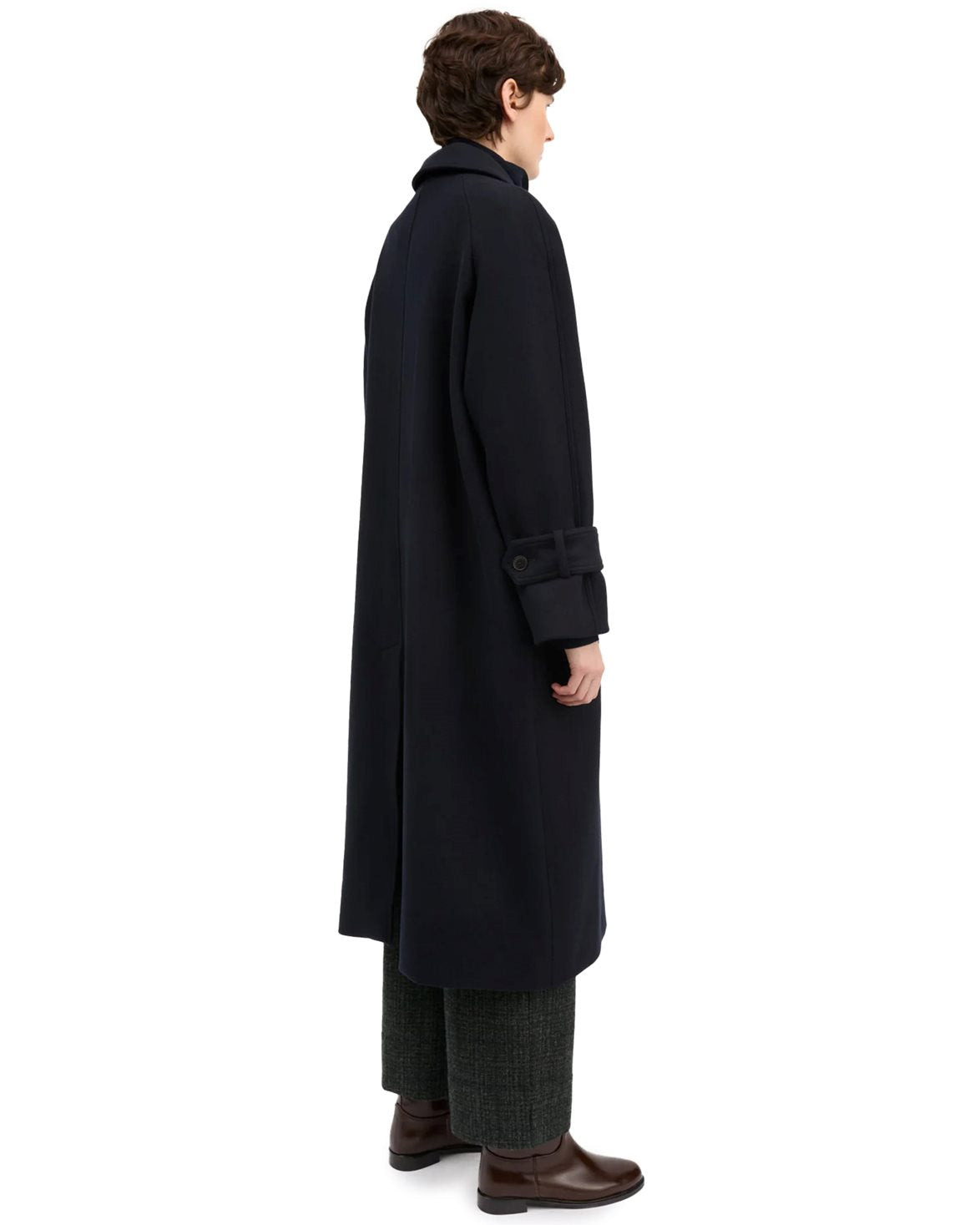
At Vallgatan 12, a curated selection of Coats from established and contemporary brands brings together classic tailoring and modern proportions with carefully developed materials. The assortment includes wool coats, trench coats, car coats, peacoats, wrap coats and longer styles, with variations in length, fit, construction and detailing.
A coat’s silhouette is influenced by its length, shoulder section, collar, lapels and fastening. Single-breasted styles often create a more pared-back expression, while double-breasted coats and peacoats have a more pronounced construction. Belts and wrap constructions make it possible to adjust the silhouette, while straighter car coats and minimalist coats have a more streamlined shape. Lengths range from shorter styles that end around the hip to longer coats that reach toward the calf or ankle.
Wool and wool blends are common materials in coats and are used for their insulating properties, structure and durability. Quality is influenced by factors including the properties of the fibre, weaving and the material’s weight. Cashmere may occur in blends or as part of more exclusive constructions, contributing a softer hand feel. Alpaca, mohair and other animal fibres are also used in coat materials and can affect warmth, structure and the character of the surface.
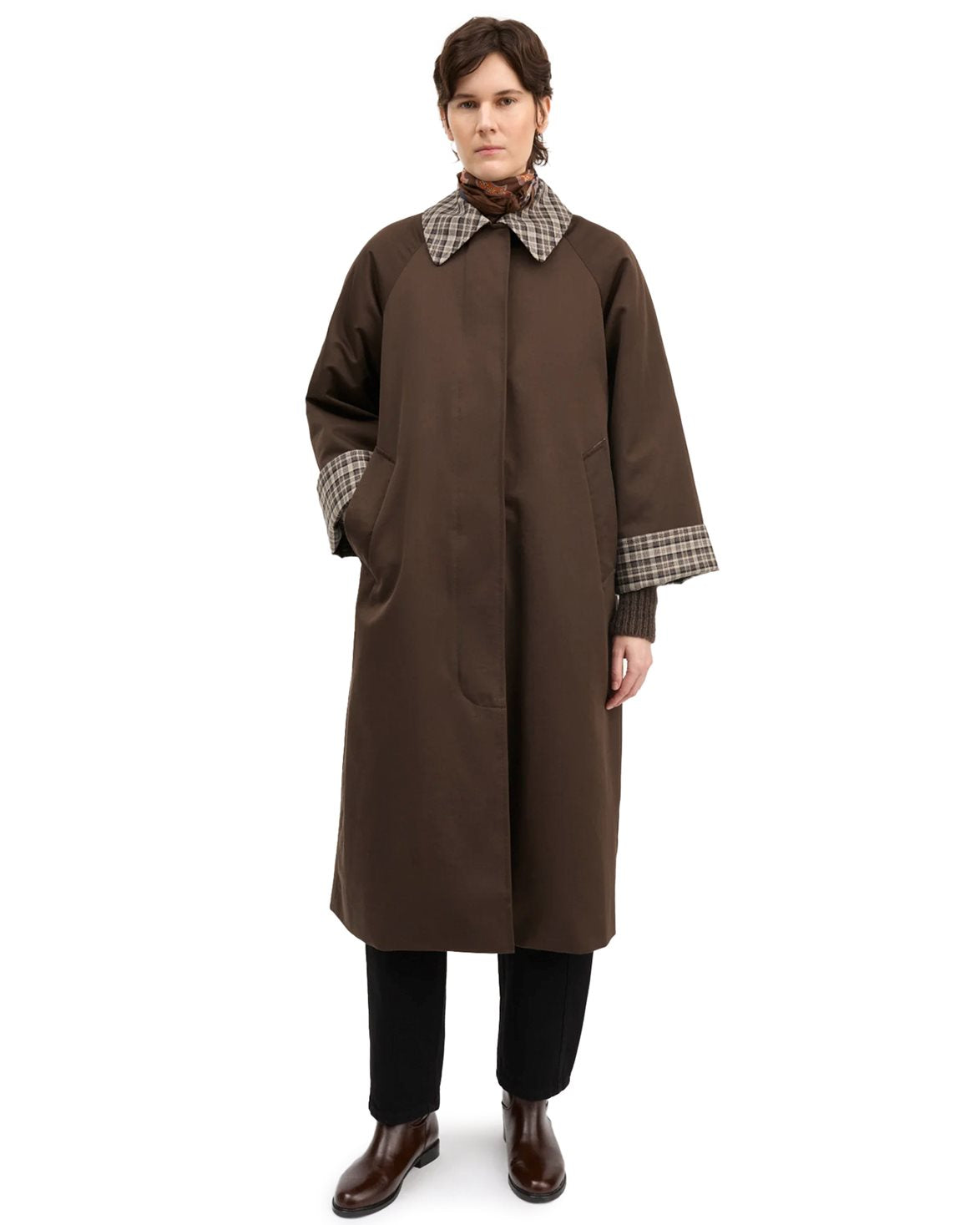
Trench coats are typically made from cotton, gabardine or material blends and are traditionally characterised by details such as lapels, fastening, a belt and adjustable cuffs. Modern interpretations may be shorter, longer or made from alternative materials such as leather and suede. Car coats usually have a straighter and slightly shorter silhouette than traditional overcoats and are designed with a focus on freedom of movement and a more pared-back expression.
A coat’s construction affects both warmth and its intended use. Lined styles provide an additional insulating layer and may be suited to colder temperatures, while unlined and lighter coats are better suited to transitional periods. Mid-layers such as knitted sweaters, shirts and lighter jackets need to be worn under the coat without restricting freedom of movement. A more generous fit can therefore offer greater flexibility for layering, while a more tailored construction creates a clearer and more defined silhouette.
Some coats are specifically developed to handle rain and wind. Trench coats and other styles in tightly woven or treated fabrics can provide some protection from moisture, but the degree of water resistance depends on the material, surface treatment and construction. Seams, fastenings and any membranes also affect how well the garment protects against the elements. A water-repellent material should not be equated with a fully waterproof outer garment, and the manufacturer’s specifications should always determine how the garment is used.
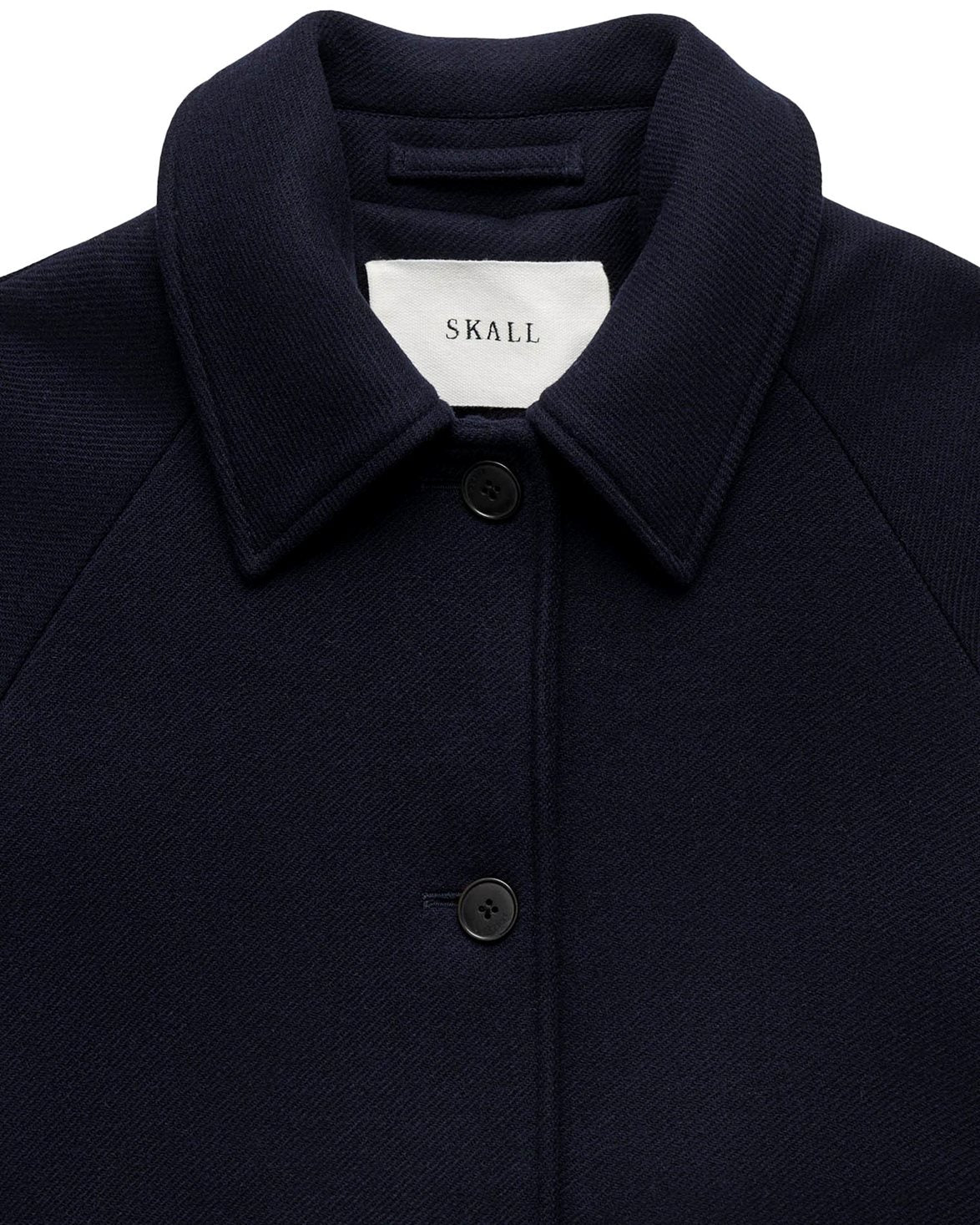
Details such as collars, lapels, pockets, buttons, zips and cuffs have both functional and aesthetic significance. A high collar can provide increased protection from wind, while wider lapels create a more pronounced upper section. The placement of the pockets affects the coat’s proportions while also providing practical storage. The coat’s shoulder section and sleeve construction are particularly important to how the silhouette falls and how the garment works with other layers.
Proper care helps preserve a coat’s material, fit and construction over time. Wool and other animal fibres should be aired regularly and cleaned according to the garment’s specific care instructions, while leather and suede require products suited to the material and should be protected from heavy moisture. Coats should be stored on a sturdy hanger that provides sufficient support for the shoulders and should not be compressed tightly between other garments. For longer-term storage, the garment should be clean and kept in a dry, cool place protected from direct sunlight.
Vallgatan 12’s selection of coats includes styles where material, construction and silhouette are the focus. From tailored wool coats and classic trench coats to modern car coats, peacoats and longer styles, the category offers different expressions and functions for the season’s varying temperatures and needs.