







Stools
At Vallgatan 12, a curated selection of stools brings together compact proportions, functionality, and material, making them useful in different areas of the home. The range extends from low stools and stackable models to taller kitchen and bar stools, as well as more sculptural designs that can also serve as small occasional tables. Variations in height, seat, base, and material make the stool a flexible piece of furniture for the kitchen, dining area, living room, hallway, and other parts of the interior.
A stool is typically characterized by a seat without a full backrest, giving the furniture a compact format and making it easy to place where a traditional chair would take up more space. Lower models can be used as extra seating and easily moved between rooms, while taller stools are designed for kitchen islands, bar counters, and other raised work or dining surfaces. Some models are designed so that the flat seat can also be used as a surface for placing items when the stool is not being used for seating.
Height is one of the most important features when choosing a stool. Low stools are closer to traditional seat height, while counter stools are dimensioned for kitchen counters and islands, and bar chairs or bar stools for higher tables and bar counters. Since the height of these surfaces varies, the stool's seat height should always be compared with the relevant tabletop or counter. Sufficient space between the seat and the underside of the surface is needed to provide room for the legs and create a functional seated position.
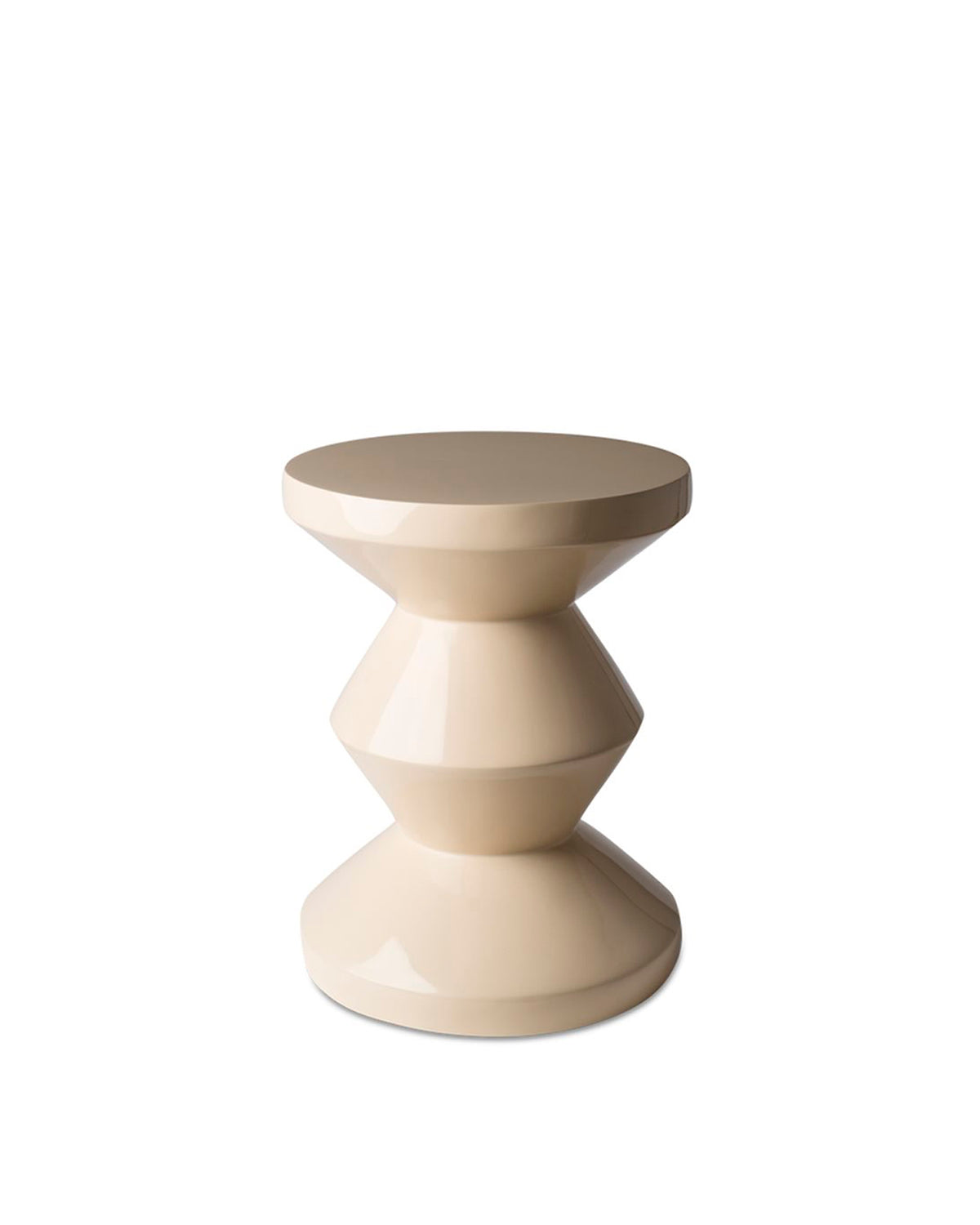
The shape and dimensions of the seat affect both comfort and appearance. Round, square, and rectangular seats are common, as are more organically shaped models. A wider seat provides a larger seating surface, while a compact seat makes the stool easier to position and store. Some models have a slightly scooped or molded seat that follows the shape of the body, while others have a completely flat construction.
Stools may be entirely without a backrest or featuring a lower backrest that provides some support without creating the same silhouette as a traditional chair. On taller models, a footrest is an important construction detail because otherwise the feet cannot reach the floor. The footrest may be integrated between the legs or designed as a separate metal bar or frame, and on some models it also helps stabilize the construction.
Wood is a common material in stools and is used in seats, legs, and complete constructions. Oak, ash, beech, and walnut are available in various finishes and have different grains, densities, and structures. Solid wood can be turned, milled, bent, and joined to create both traditional and more sculptural forms. Molded veneer is used for thinner, curved seats and can create a lighter construction.
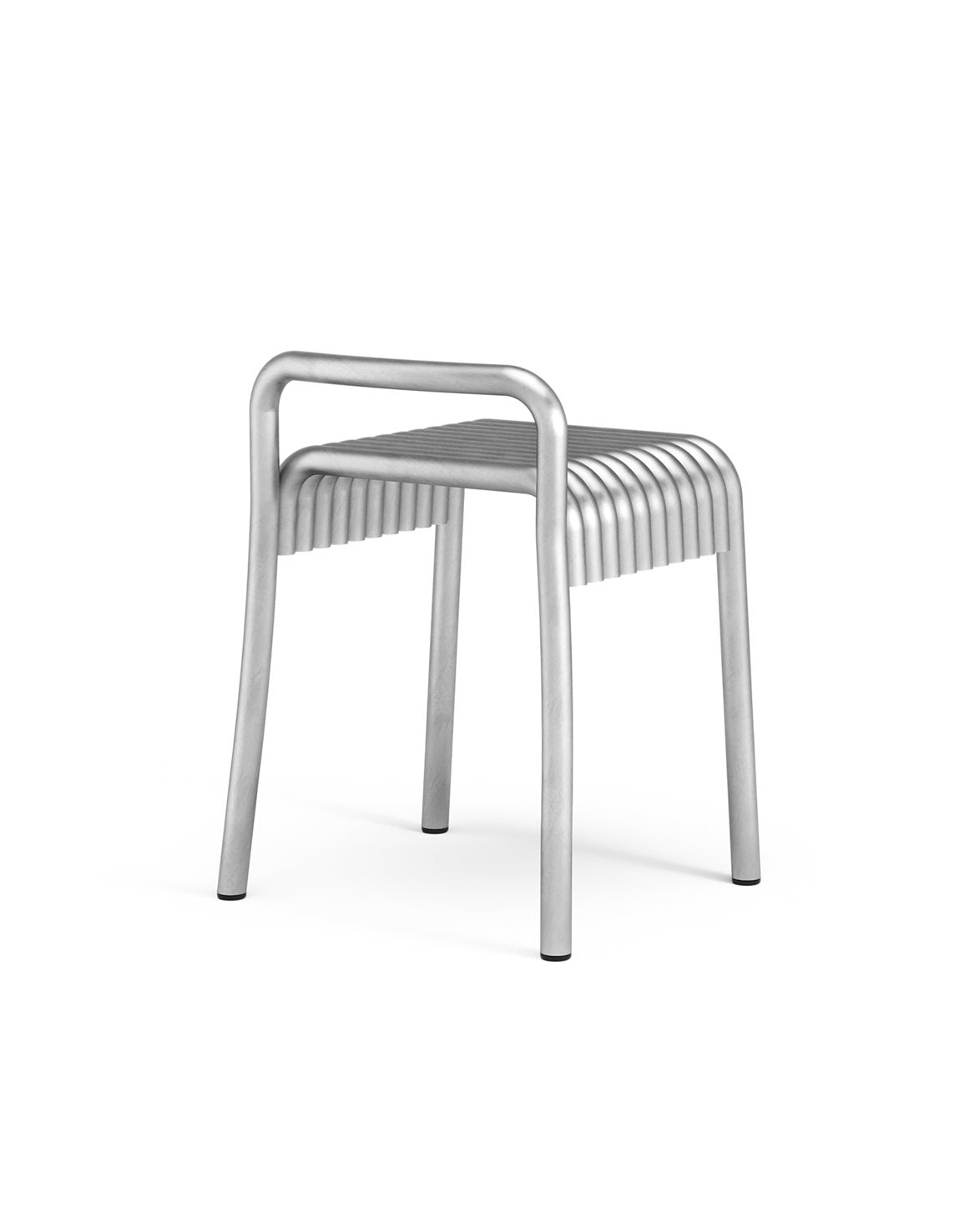
Metal such as steel and aluminum is used in both bases and complete stools. Steel tubing can be bent and welded into slender yet stable constructions, while cast metal enables more cohesive and sculptural forms. The surface may be powder-coated, brushed, polished, or treated in other ways. Metal is also combined with wood, textile, and leather to create variation between the seat and base.
Upholstered stools have a seat made of padding material with an outer layer of textile or leather. The thickness and density of the padding affect how firm the seat feels and how it changes with use. Furniture textiles may consist of wool, cotton, linen, polyester, and other fibers or blends, while leather is available in different qualities and finishes with varying properties and care requirements.
Woven materials such as rattan, paper cord, rope, and textile bands can be used to create seats with a more open construction. The material is tensioned or woven over a supporting frame, making it both a functional part of the seat and a visible construction detail. Natural materials can react to changes in humidity and temperature and should therefore be positioned and maintained according to their properties.
The construction of the base is crucial to the stool's stability. Models with three or four legs are common, while others use a continuous frame, central column, or more sculptural base. Crossbars between the legs can both reinforce the construction and function as footrests. The angle and placement of the legs affect the stool's stability and the amount of floor space the furniture occupies.
Stackable stools are designed so that several examples can be placed on top of one another when not in use. This makes them particularly practical as extra seating in environments where the arrangement needs to be changed. Other models may have handles or openings in the seat that make them easier to move between different locations.
Details such as visible joints, the attachment of the legs, edge profiles, and material intersections affect the character of the stool. A thin seat and narrow base can create a visually light construction, while solid wood, substantial legs, or a continuous base create greater volume. On upholstered models, seams, edge binding, and other textile details can emphasize the shape of the seat.
Stools are used year-round and can serve different functions as the furniture arrangement changes. A low stool can function as extra seating for larger gatherings or be moved between the hallway, bedroom, and living room, while taller models usually have a more permanent position at a kitchen island or bar counter. Models intended for outdoor use need to be specially designed for this purpose, since materials and finishes intended for indoor use can be affected by moisture, temperature fluctuations, and sunlight.
Proper care helps preserve the stool's materials and construction. Wood is cleaned and maintained according to its finish, while metal should be cleaned using methods suited to its surface treatment. Spills on textile should be treated according to the fabric's specific care instructions, and leather should be cared for with products suited to the particular type of leather. Rattan and other natural materials should be protected from excessive moisture and drying out. Screws, fittings, and other fasteners may need to be checked over time, especially on stools that are moved or used regularly. The manufacturer's specific care instructions should always be followed.
Vallgatan 12's selection of stools includes models whose seat height, material, and construction are suited to different uses. From compact stools and stackable models to kitchen and bar stools, as well as more sculptural constructions, the range offers varying heights, materials, and proportions for different areas of the home.