







Chairs & Benches
At Vallgatan 12, a curated selection of chairs, benches and stools brings together different silhouettes, materials and uses. The range includes dining chairs, armchairs, lounge chair-like models, bar stools, benches and stools, from pared-back constructions to more sculptural forms in which the furniture makes a distinct statement in the room.
Dining chairs are designed for use around dining tables and are available in several constructions depending on the desired seating comfort and proportions. Chairs without armrests have a more compact silhouette and can be placed close together around the table, while armchairs provide support for the arms and a more enveloping seating position. Lounge chair-like chairs often have a wider seat and back and can also be used as freestanding seating furniture. Bar stools and counter stools are taller models adapted to kitchen islands, bar counters and tables with a raised seating height. Benches can be placed along one side of a dining table or used as freestanding seating furniture in, for example, an entrance hall, bedroom or other areas of the home. Stools usually have a compact construction without a backrest or armrests and can be used as flexible seating, footrests or surfaces for placing items, depending on the model and height.
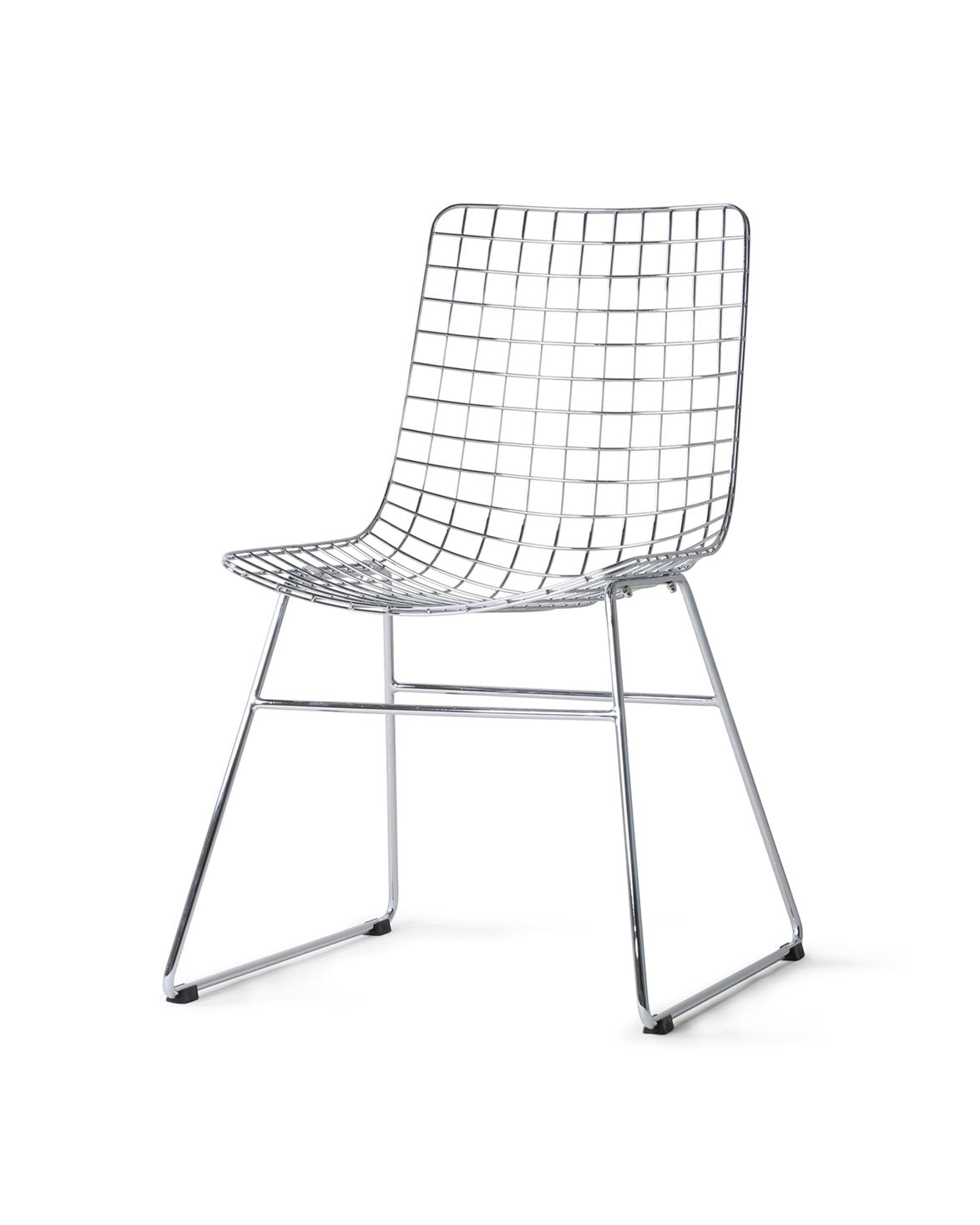
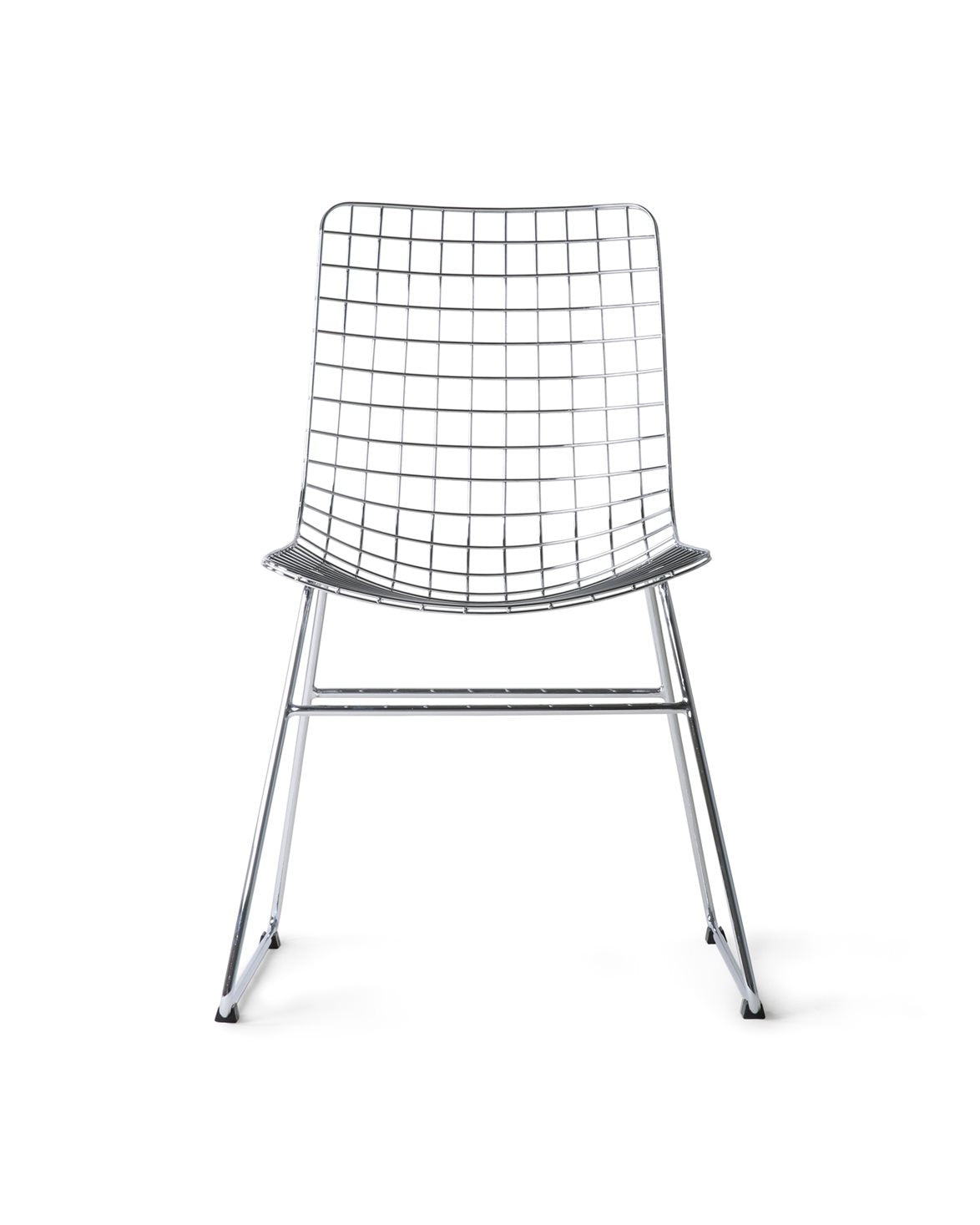
A chair’s construction usually consists of a seat, backrest and base, with each part affecting the furniture’s stability and seating comfort. The base may be made of wood, metal or a combination of several materials and can consist of four separate legs, runners, a central leg or a more continuous construction. Stools and benches may have similar bases but usually lack a backrest, creating a simpler silhouette and greater flexibility in placement. The height and angle of the backrest affect how the body is supported, while the depth, width and height of the seat influence the seating position. Armchairs add armrests for additional support, but at the same time require sufficient space between the chair and table to be positioned correctly.
The choice of material has a significant impact on the furniture’s expression, tactile qualities and use. Wood is found in both solid and veneered constructions and can be treated with, for example, oil, wax or lacquer. Oak, ash and walnut are commonly used wood species, with their colour and grain forming part of the furniture’s visual character. Metals such as steel and aluminium are used in bases and load-bearing constructions and may have a glossy, matt, brushed or powder-coated surface. Seats and backs can be made from moulded wood, plastic or other composite materials, while upholstered models are built up with, for example, foam and textile or leather as the surface material.
Padding and upholstery affect both comfort and the furniture’s visual expression. Textiles can range from tightly woven upholstery fabrics to bouclé, wool, linen and synthetic blends, while leather and hide provide a more structured and hard-wearing surface that changes with use. The upholstery may be fixed or removable, depending on the construction. Seams, piping, buttons and other details can emphasise the chair’s form, while more continuous upholstery creates a calmer expression. The material’s texture and light reflection also affect how the chair, bench or stool is perceived in relation to the table, floor and other textiles in the room.
Proportions and ergonomics are central to the function of seating furniture. The seat height needs to relate to the height of the table to create a comfortable seating position, particularly at dining tables and work surfaces. The depth of the seat affects how the legs can be positioned and how the body is supported, while the shape and angle of the backrest affect the degree of support. The table’s base must also be taken into consideration when armchairs are used, as the chair’s arms should be able to slide beneath the tabletop without restricting freedom of movement. For stools and benches, the height, depth and stability of the seat are particularly important because the construction usually lacks individual back and arm support.
Shape and proportion affect how chairs, benches and stools interact with the room’s other furniture. A series of identical chairs creates a cohesive composition around a dining table, while models with different materials or silhouettes can be used to create variation. Benches provide a different visual rhythm from individual chairs and can follow the length of the table or be placed independently. Stools can easily be moved between different parts of the home and serve as additional seating or as a smaller piece of furniture for, for example, books and decorative objects. Chairs with more sculptural backs or pronounced bases can function as distinct objects in the room, while more pared-back models allow the table’s form and material to take centre stage.
Placement affects both use and the flow of the room. Around a dining table, chairs and benches need sufficient space to be pulled out and used without obstructing passage. Benches can provide flexibility at the dining table by allowing several people to share the same seating, while individual chairs create a clearer definition of each seating position. In an entrance hall, a bench can serve as seating in combination with storage, while stools can be placed at, for example, a kitchen island, in front of a dressing table, in the bedroom or as an independent complementary piece of furniture. Taller stools and bar stools are particularly suited to work and seating areas with raised table heights.
Proper care helps preserve the material, upholstery and construction of chairs, benches and stools over time. Wood surfaces should be cleaned with a soft, slightly damp cloth and treated according to the recommendations for the finish. Textile upholstery should be vacuumed gently and spills absorbed as soon as possible without rubbing, as moisture and mechanical treatment can affect the fibres and colour. Leather and hide should be cleaned and moisturised with products intended for the respective material and protected from prolonged exposure to strong sunlight and heat sources. Metal and plastic should be cleaned with a soft cloth and a suitable cleaning agent adapted to the finish. For upholstered models, any professional cleaning should be carried out according to the recommendations for the material and from the manufacturer.
Vallgatan 12’s selection of chairs, benches and stools includes models in which ergonomics, material, proportion and construction work together with the architecture of the interior. From elegant dining chairs and armchairs to bar stools, benches and more flexible stools, there are different formats and materials for the home’s various settings. The range moves between classic constructions and contemporary interpretations, using wood, metal, leather and textile to create seating furniture with a clear relationship between function, comfort and form.