







Rugs
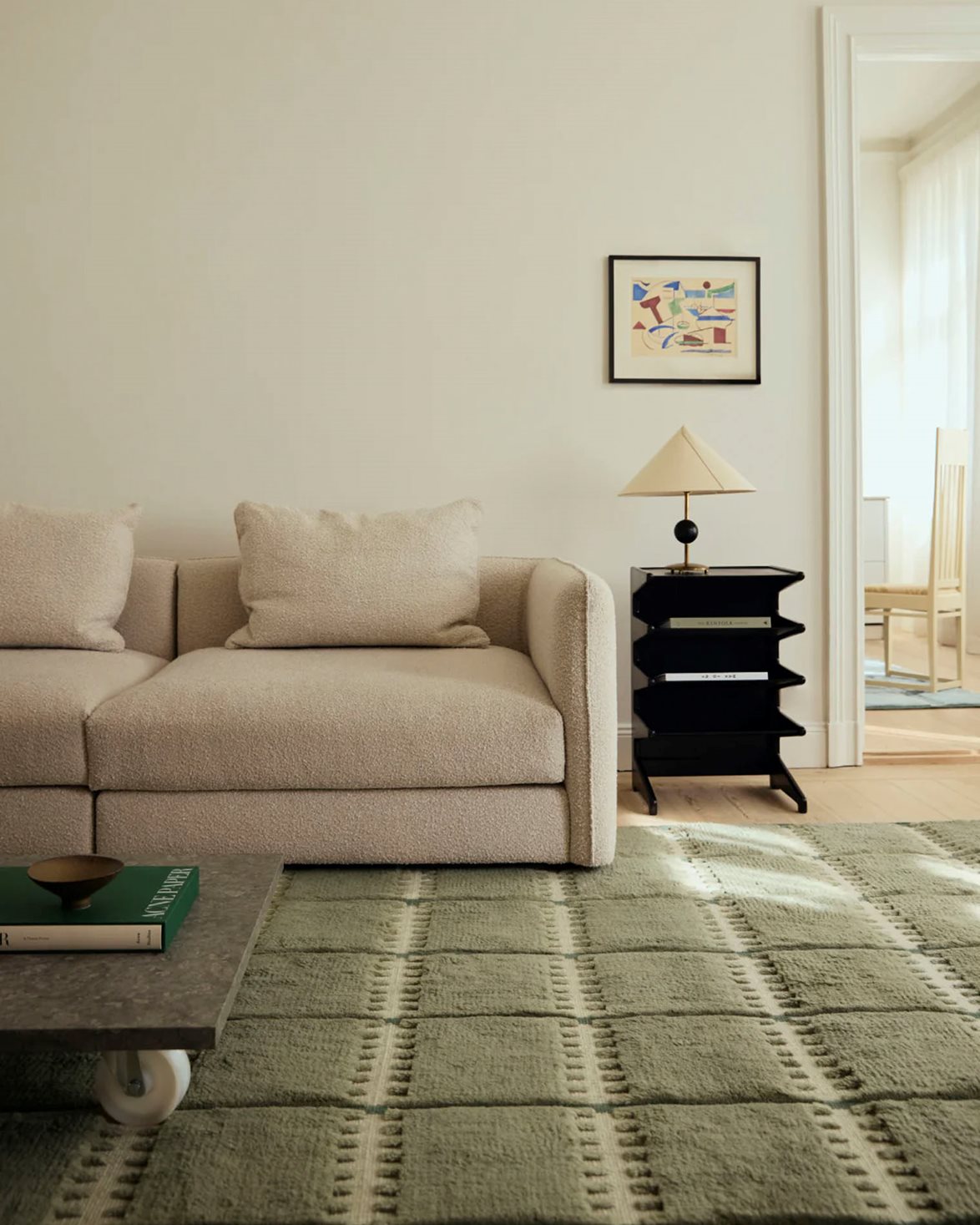
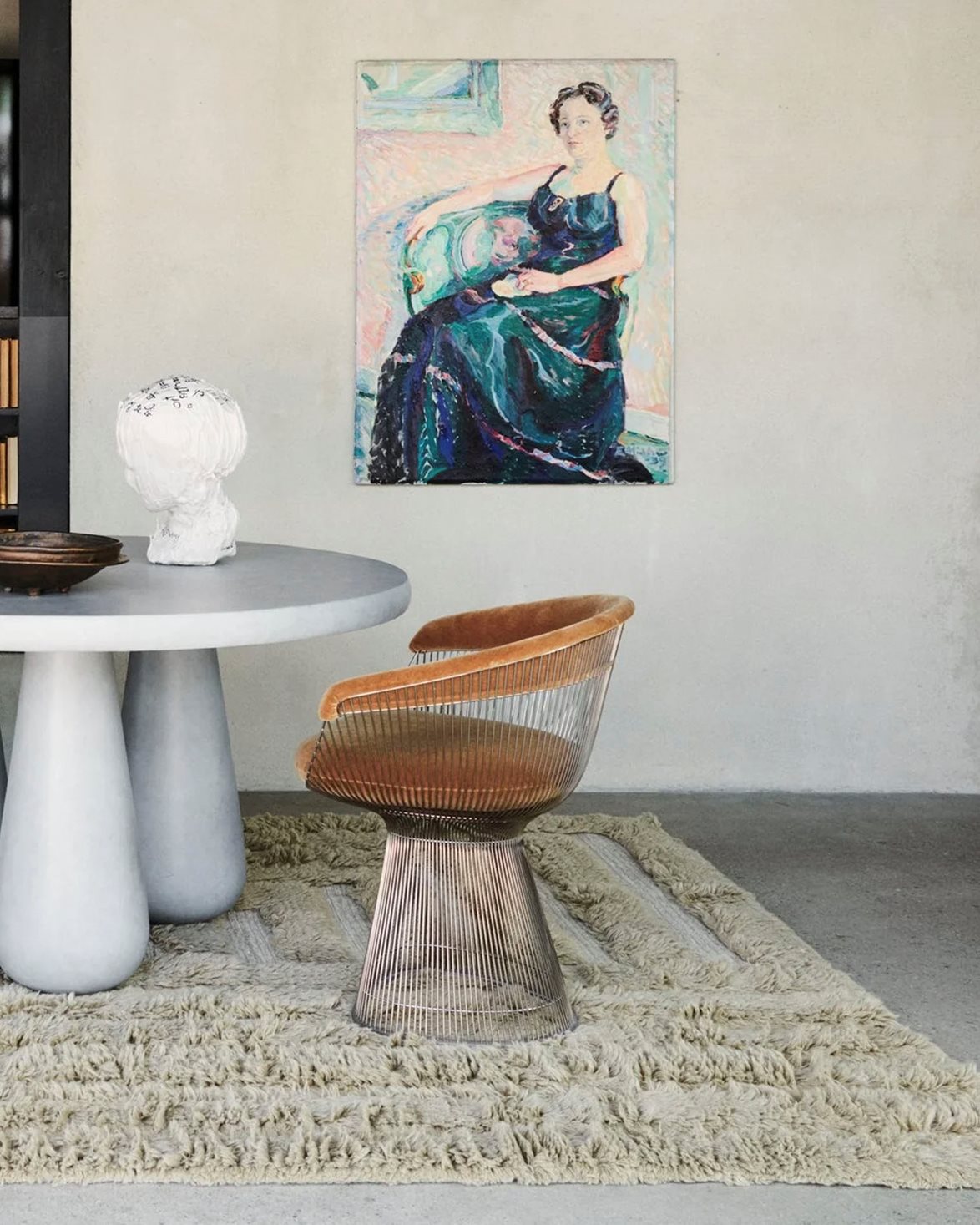
At Vallgatan 12, a curated selection of rugs comes in different sizes, shapes, materials and weaving techniques, from more minimalist models to decorative and patterned designs. A rug can be placed under dining tables and sofa groups, in bedrooms, hallways and other parts of the home where it helps bring furniture together and create a clearer sense of unity within the space.
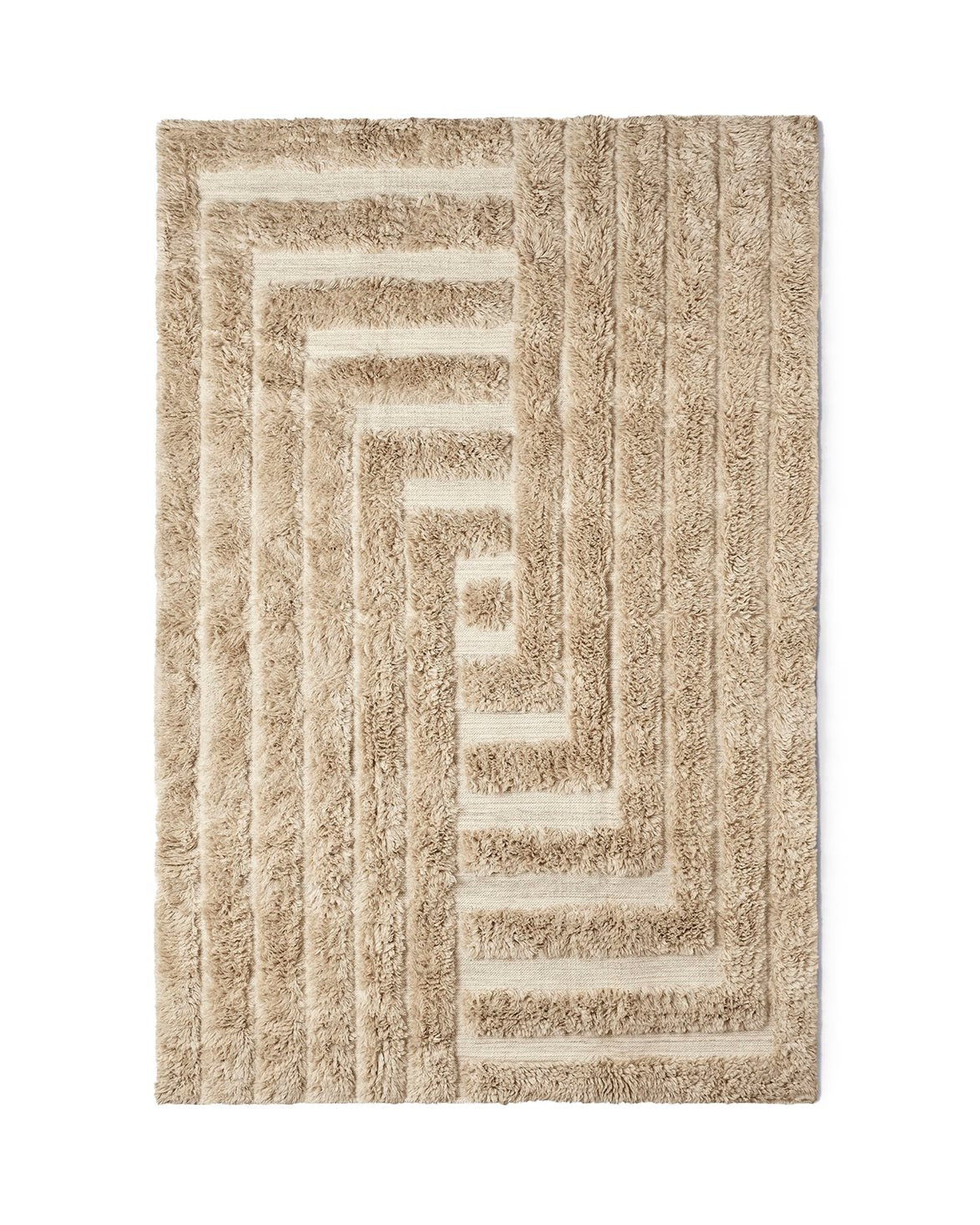
Rugs are available in several constructions and can be categorized according to factors including pile, weaving technique and material. Flat-woven rugs have a low, dense construction without a high pile and are often relatively thin, making them suitable under dining tables and in other settings where furniture needs to be moved easily. Pile rugs have a raised surface that may be short, dense and even, or longer and more textured. A kilim is a type of flat-woven rug in which the pattern is created through the weaving technique, while tufted rugs are made by attaching yarn to a backing, which can then be trimmed or left more textured.
The material affects the rug’s surface, feel, durability and performance in different environments. Wool is a common material in rugs thanks to its natural elasticity, warmth and ability to recover after being subjected to pressure. Cotton creates a softer and often lighter construction, while jute, sisal and other natural fibers have a coarser texture and distinctive material character. Viscose and other cellulose-based fibers can create a smoother surface and a characteristic sheen, but may be more sensitive to moisture and stains. Synthetic fibers such as polyester and polypropylene are also used, particularly in models where durability and easier maintenance are priorities.
Pile height and density affect both the rug’s appearance and practical function. Shorter pile is generally easier to keep clean and works well in high-traffic environments, while longer pile creates a softer and more tactile surface. Denser constructions can create a more even look, while hand-tufted or more textured rugs may vary in height and surface. The rug’s thickness also needs to be suited to its placement, particularly near doors, under furniture and in areas where chairs or other objects need to be moved across the rug.
Size and proportion have a significant impact on how a rug defines an area. Under a sofa group, a larger rug can bring the sofa, armchairs and table together as a cohesive unit, while a smaller model can be placed in front of or under parts of the furniture. Under a dining table, the rug should be large enough for chairs to be pulled out without their legs ending up beyond the edge of the rug. In bedrooms, rugs can be placed under the bed or along its sides to create a softer surface around the furniture. Hallway rugs must also be adapted to the width of the room, traffic paths and the amount of wear the surface is exposed to.
Shape and pattern affect the rug’s visual relationship with the rest of the interior. Rectangular rugs are the most common and work well with larger furniture groups, while round and organic shapes can be used to break up more linear interiors. Patterned rugs may feature geometric shapes, stripes, ornaments or more abstract compositions, while solid-color models allow the material, texture and pile to contribute more to the overall expression. Color, contrast and pattern scale affect how the rug is perceived in relation to the floor, walls and other textiles.
Rugs can also contribute to a room’s acoustics by absorbing and dampening sound, particularly models with thicker pile or denser textile constructions. At the same time, they can create a softer surface underfoot and add warmth in rooms where the flooring otherwise feels hard or cold. To reduce the risk of the rug sliding, a non-slip rug pad or underlay can be used, suited to both the rug’s construction and the existing floor.
Proper care helps preserve the rug’s color, shape and material over time. Regular vacuuming removes loose dust and dirt, but should be adapted to the rug’s material and construction. Long pile and delicate fibers may require gentler treatment, while some flat-woven models can withstand more regular cleaning. Spills should be dealt with as soon as possible by gently absorbing the liquid without rubbing, as moisture and mechanical treatment can affect the fibers and color. Stain removal and any professional cleaning should be adapted to the material’s properties and the manufacturer’s recommendations. Rugs should also be protected from prolonged direct exposure to strong sunlight, which can affect colors and certain fibers over time.
Vallgatan 12's selection of rugs includes models where material, weaving technique, texture and proportion work together with the interior. From flat-woven and minimalist models to pile rugs, tufted constructions and more decorative designs, there are different formats and materials for the home’s varied spaces. The rugs function both as defining elements and as an integrated part of the room’s materiality, with qualities that influence comfort, acoustics and the overall visual impression.