











Shelves & Shelving Systems
At Vallgatan 12, a curated selection of shelves and shelving systems brings together designs created to organize, store, and display items in the various rooms of the home. The range extends from smaller wall shelves and freestanding bookcases to larger modular shelving systems that can be expanded and adapted to the proportions of the room. Open shelves create space for books, art, lighting, and decorative objects, while models with cabinets, drawers, and other storage modules combine open and concealed storage.
A shelf’s function is influenced by where it is placed and what it is intended to store. In the living room, a larger shelving system can serve as a cohesive storage piece for books and objects, while smaller wall shelves create storage and display space without taking up floor space. In kitchens, studies, bedrooms, and hallways, shelves can be used for both everyday items and more decorative storage. The depth, width, and spacing of the shelves determine which types of objects they can accommodate.
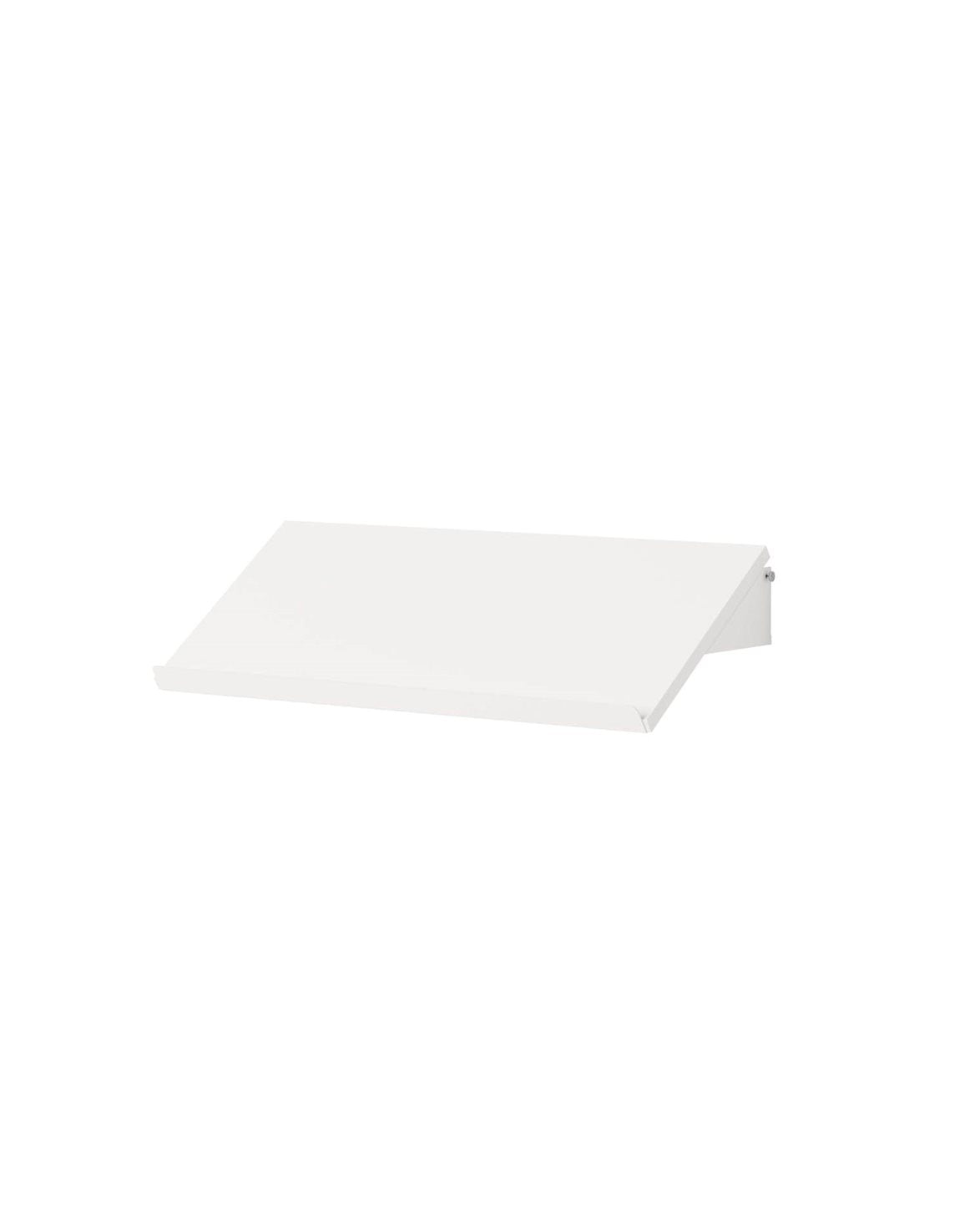
Wall shelves are mounted directly to the wall and range from individual shelves to constructions with brackets, side panels, and multiple levels. The mounting is central to both function and safety and needs to be adapted to the wall material, the shelf’s construction, and the load it is intended to carry. Concrete, brick, wood studs, and different types of board walls require different mounting methods. The manufacturer’s instructions for installation and maximum load should therefore always be followed.
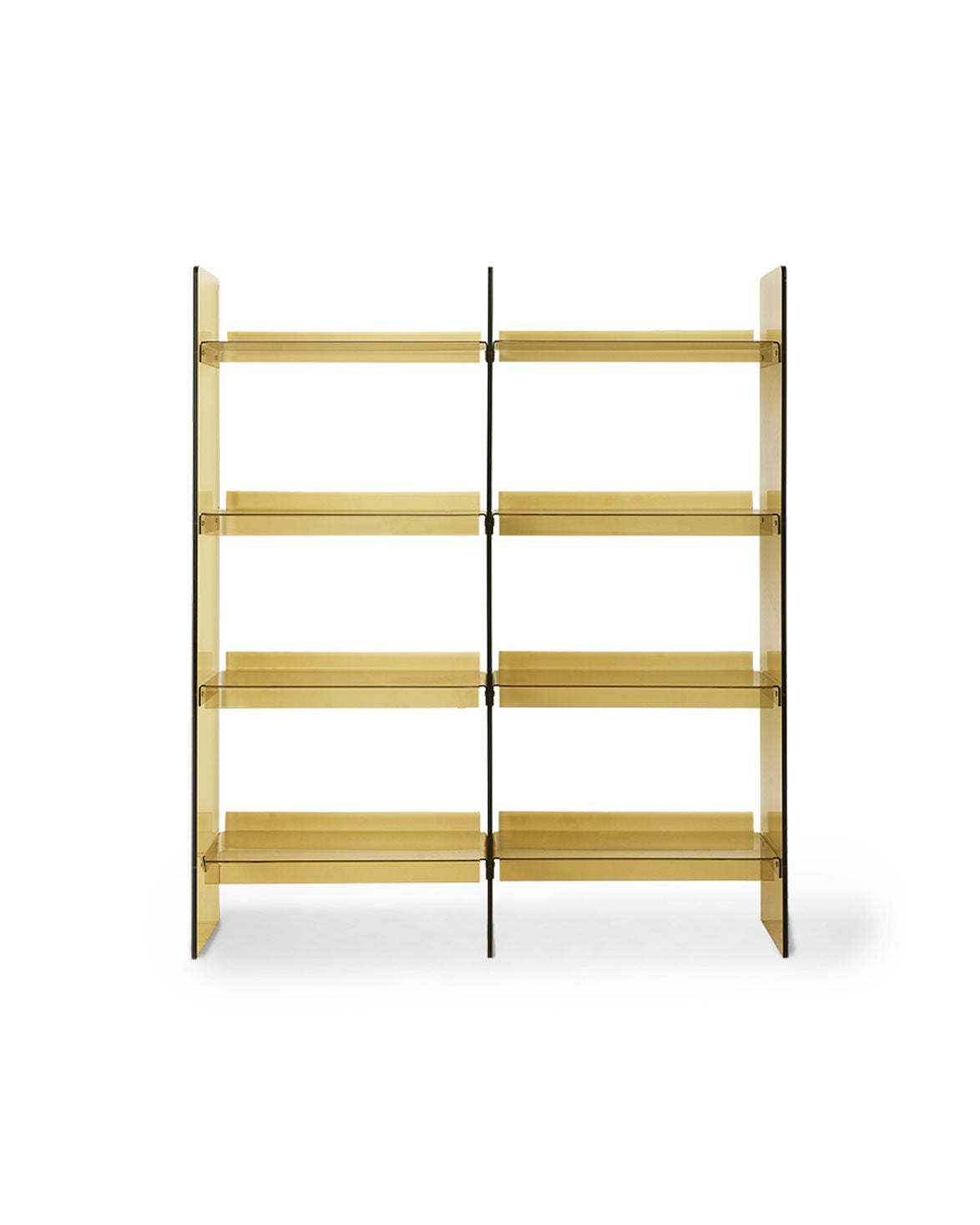
Freestanding shelves and bookcases rest on the floor and can consist of open shelves, closed sides, or a combination of several structural elements. Tall and narrow models make use of the room’s height and require less floor space, while wider and lower shelves create a more horizontal arrangement and can also provide a useful surface on top for lighting, art, and other objects. Tall furniture may need to be anchored to the wall to reduce the risk of tipping.
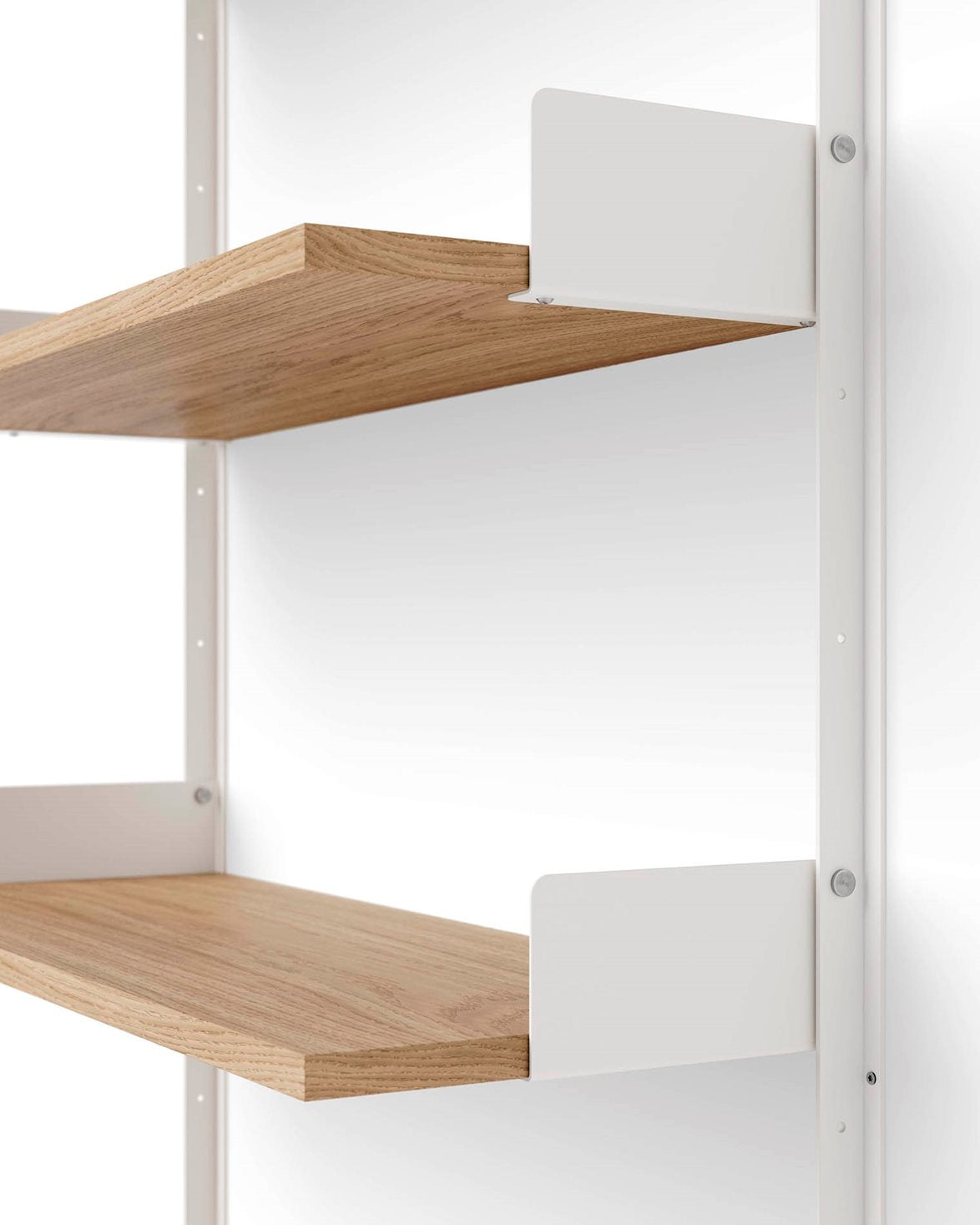
Modular shelving systems consist of separate components that are combined to create a larger storage solution. The construction can be based on wall rails, uprights, side panels, or freestanding frames, with shelves and other modules mounted in different positions. This allows the systems to be adapted in height and width and, in some cases, expanded as storage needs change.
In addition to open shelves, shelving systems can contain cabinets, drawers, glass-fronted sections, and other modules. The combination of open and closed storage makes it possible to display certain items while storing others more discreetly. Adjustable shelves provide additional flexibility, as the distance between levels can be adapted to accommodate books, vases, and larger objects, for example.
Dimensions and proportions are central when choosing a shelf. Width and height determine how much of the wall or room the piece occupies, while depth affects both storage capacity and how far the shelf extends into the room. For book storage, the shelves need sufficient depth and height for the book formats in question, while decorative objects may require other dimensions. Placement should also take doors, windows, electrical outlets, and other fixed elements of the room into account.
Load capacity is an important part of a shelf’s construction. Longer shelves may need additional support to limit deflection, particularly when loaded with heavy objects such as books. The thickness of the material, the distance between support points, and the construction itself affect how much weight a shelf can bear. Maximum load varies between products and should not be assessed solely based on the shelf’s material or dimensions.
Wood is a common material in shelves and occurs as solid wood, veneer, and various wood-based board materials. Oak, ash, walnut, and other wood species offer different grain patterns and textures. Solid wood can react to changes in temperature and humidity, while veneer consists of a thin layer of real wood applied to a stable substrate. MDF and other wood-fiber boards are often used in painted or lacquered constructions where a smooth surface is desired.
Metal such as steel and aluminum is used in frames, brackets, wall rails, and shelves. The material’s strength makes it possible to create relatively slender profiles and open constructions. Depending on the product, the surface may be powder-coated, brushed, polished, or treated in other ways. Metal is often combined with wood or glass to create variation between the shelves and the supporting structure.
Glass is used for shelves and in glass-fronted sections, where its transparency allows objects to be displayed without visually weighing down the construction. Tempered glass is often used in furniture because it has greater mechanical and thermal resistance than ordinary glass. The thickness, mounting, and support of the glass affect the load for which the shelf is designed, and the manufacturer’s stated maximum weight should always be followed.
The construction affects both the shelf’s stability and its appearance. Visible brackets, rails, and fittings can be a distinct part of the design, while concealed mountings create a more cohesive appearance in which the shelf appears to float against the wall. In freestanding systems, cross-braces, back panels, and other reinforcements can be used to stabilize the construction and limit lateral movement.
Details such as edge profiles, joints, fittings, and material transitions contribute to the shelf’s overall impression. Thin shelves and slender metal profiles can create a visually light construction, while thicker wooden boards and closed modules provide greater volume. Doors can be solid or featuring glass, while handles, knobs, and other fittings can be integrated discreetly or serve as prominent details.
Shelves and shelving systems are used year-round and can be adapted when the room’s function or storage needs change. Modular systems offer particularly great opportunities to alter the arrangement by moving shelves, adding new sections, or combining open and closed modules. During remodeling or relocation, the system should always be reassembled according to the manufacturer’s instructions, using mountings adapted to the wall in question.
Placement in direct sunlight can affect wood, lacquered surfaces, and other materials over time through fading or changes in the tone of the surface. Wooden furniture should also be placed with strong heat sources and significant variations in humidity in mind. Models intended for indoor use should not be used outdoors or in damp environments unless this is expressly stated by the manufacturer.
Proper care helps preserve the shelf’s material and construction. Wood and veneer should be dusted regularly with a soft, dry or slightly damp cloth and maintained according to the surface treatment. Metal should be cleaned with products suited to its finish, while glass can be cleaned with a soft cloth and suitable glass cleaner. Liquid should not be left on shelves made of wood or other moisture-sensitive materials. Mountings, fittings, and wall anchors should be checked as needed, especially on larger systems and shelves loaded with heavier objects.
Vallgatan 12’s selection of shelves and shelving systems includes solutions in which storage, proportions, and materials work together with the architecture of the room. From individual wall shelves and freestanding bookcases to larger modular systems with open and closed storage sections, the range offers varied formats and constructions for the different rooms and storage needs of the home.