









Flowers & Plants
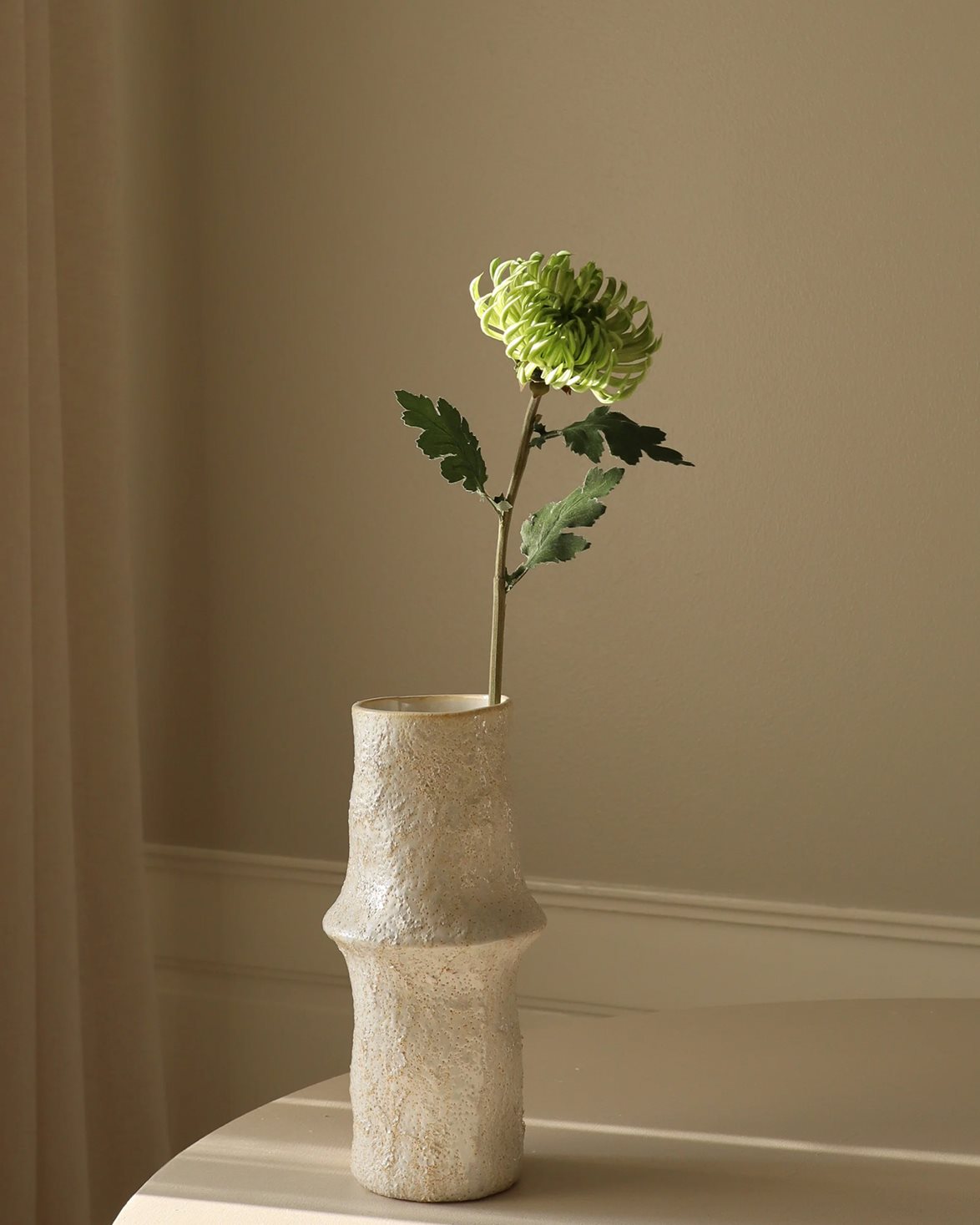
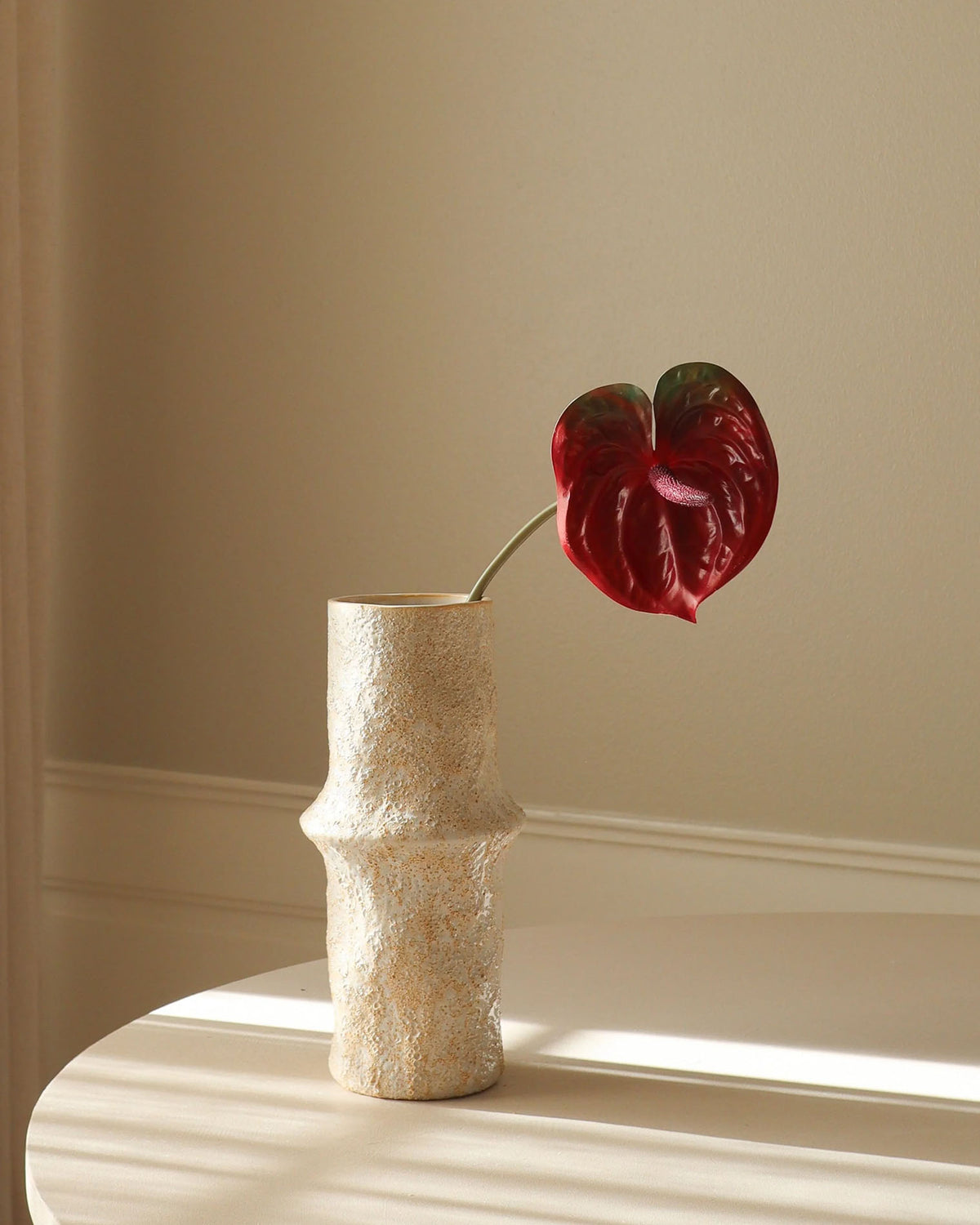
At Vallgatan 12, a curated selection of artificial flowers brings together natural forms with more decorative and sculptural expressions. The range includes individual flower stems, twigs, branches, bouquets and smaller plant arrangements that can be placed in vases, pots, bowls or other decorative vessels.
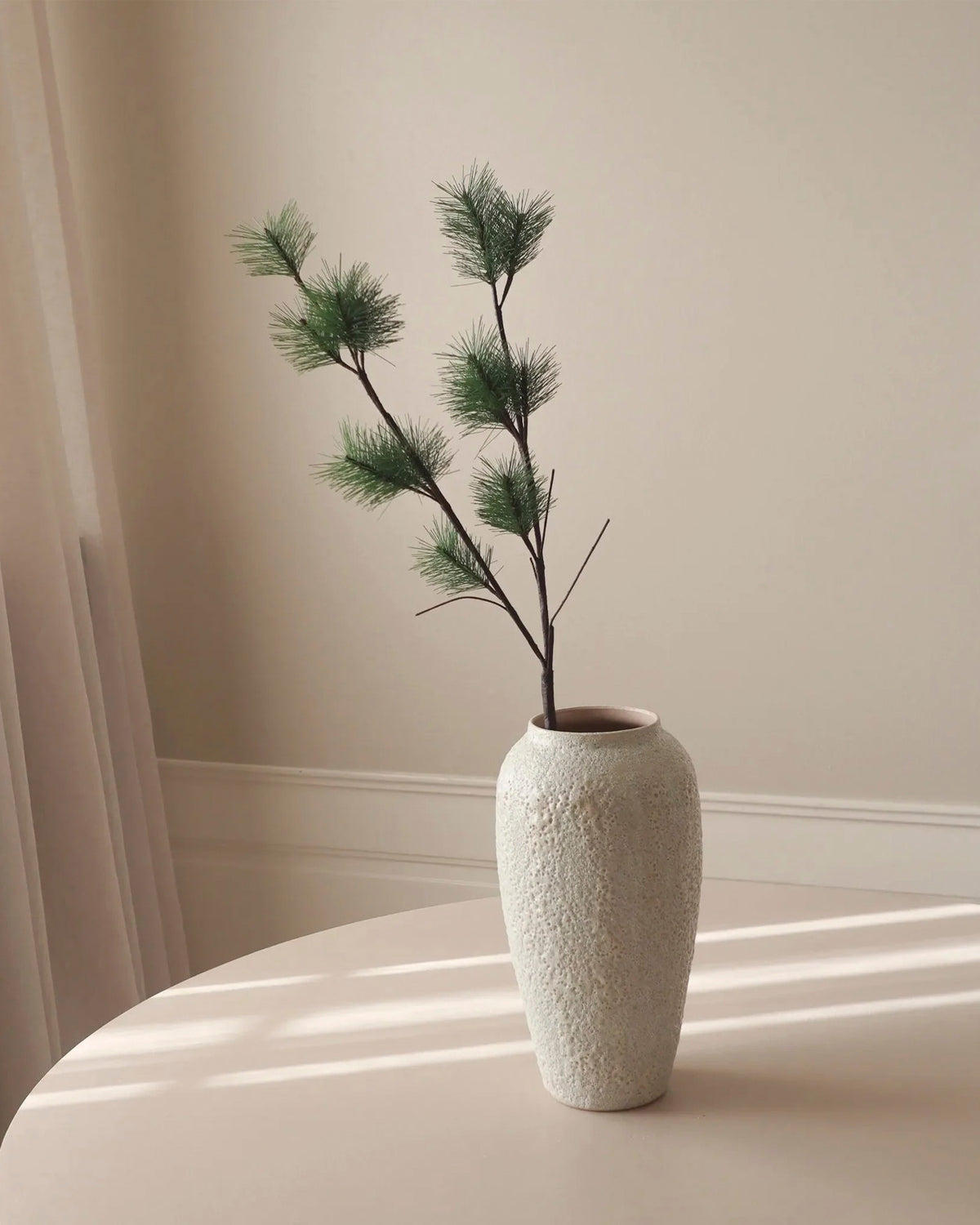
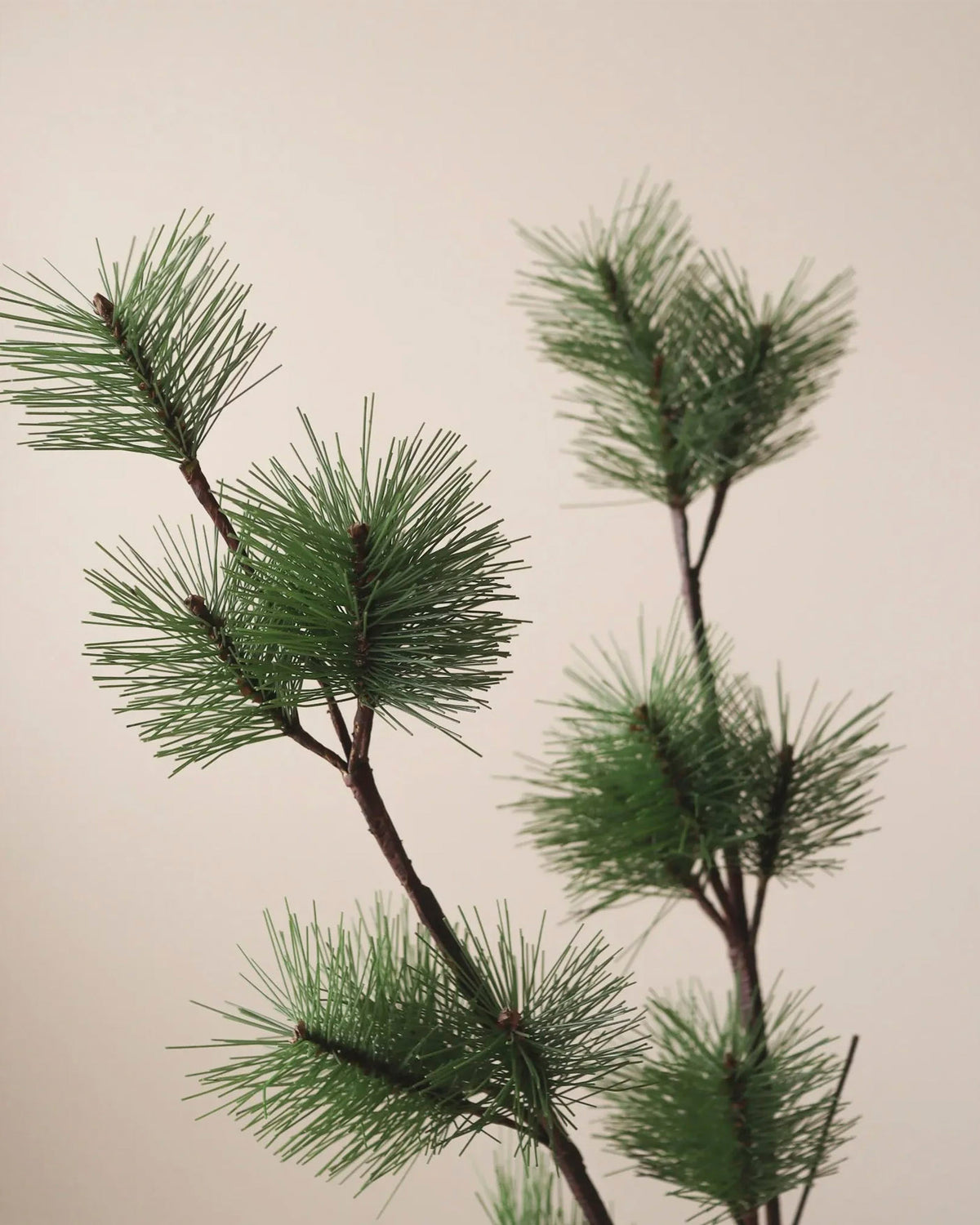
Artificial flowers are available in many different forms and models, from classic roses, peonies and hydrangeas to orchids, tulips, poppies and more organically shaped flowers. Green plants and branches are also available, including eucalyptus, olive branches, grasses, ferns and other foliage. Individual stems can be used separately or combined into bouquets, while branches and larger plant elements can add more volume and height. The size, density and length of the arrangements affect how they relate to the room’s other furniture and decorative objects.
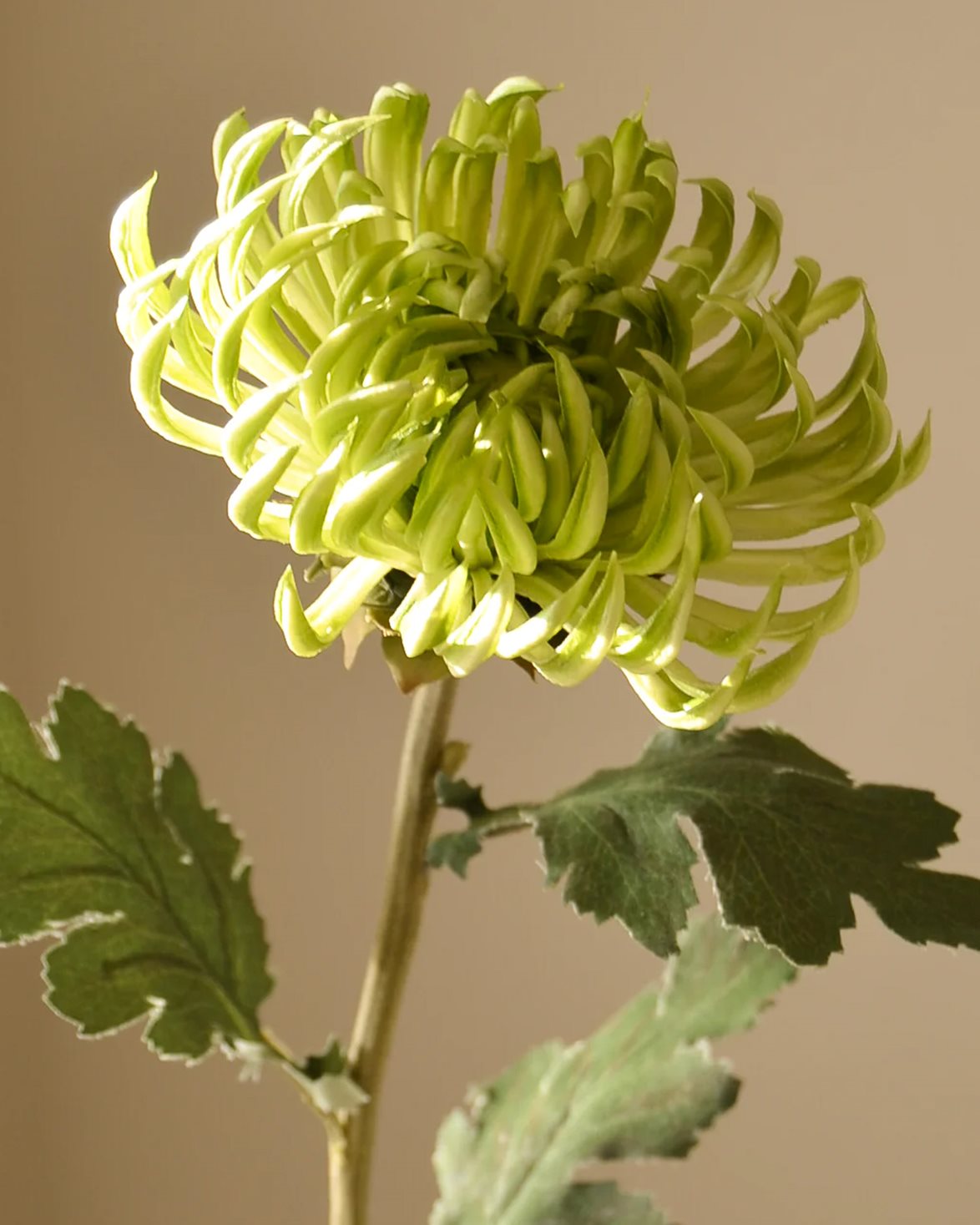
Materials and construction are important for both appearance and durability. Flowers and leaves are often made from textiles such as polyester and other synthetic fibers, but paper, plastic and various composite materials are also used. Stems may be constructed with a flexible metal wire that makes it possible to shape and adjust the direction of the branches. More elaborate models may have multiple layers of material, textured surfaces and details that imitate natural variations in petals, leaf veins and color shifts. The choice of material affects the flower’s structure, drape and how it reflects light in the room.
Form, proportion and color affect how artificial flowers function as part of the interior. Individual branches or long stems can create height in a vase, while denser bouquets provide greater volume and a more cohesive expression. Larger arrangements can serve as focal points on dining tables, side tables, consoles and other larger surfaces, while smaller models suit shelves, bedside tables and windowsills. Artificial flowers can also be used in environments where natural plants have limited conditions, such as darker rooms or places where regular watering is not practical.
Vases and other vessels play an important role in the arrangement’s proportions and stability. Tall, narrow vessels often suit longer stems and branches, while wider vases can support fuller bouquets. The length of the stems can be adjusted to the height of the vessel and the desired silhouette, while flexible constructions can be shaped to create a more natural drape. By combining different heights, shapes and textures, an arrangement can be built with variation without all the flowers having to be the same size or shape.
Unlike fresh-cut flowers, artificial flowers require neither water nor nutrients and retain their shape for longer. This makes them particularly useful as permanent decorative elements in the home, while arrangements can easily be moved between different rooms or changed according to the season. The quality of the materials and workmanship has a significant impact on the overall impression: more detailed constructions can create a more lifelike result, while more graphic or sculptural models can clearly express their decorative function.
Proper care helps preserve color, shape and material over time. Artificial flowers and plants should regularly be kept free from dust, as buildup is easily visible on leaves and petals. Dust can usually be removed gently with a soft, dry cloth, feather duster or by carefully blowing it away. More delicate textiles and details should not be exposed to vigorous brushing or water unless permitted by the manufacturer’s recommendations. The flowers should also be protected from prolonged exposure to strong direct sunlight, as some materials and colors may fade over time. Storage should be dry and protected from pressure that could deform petals, leaves or stems.
Vallgatan 12’s selection of artificial flowers and plants includes models where material, form and botanical details work together. From individual stems, branches and foliage to fuller bouquets and decorative plant arrangements, the category offers different sizes, materials and expressions for the home’s various environments. The range makes it possible to add botanical forms and color to the interior with a decorative alternative that does not require the same ongoing care as living plants.