







Bowls
At Vallgatan 12, a curated selection of Bowls brings together form, material, proportion and surface treatment in harmony with the other elements of the table setting. The range includes breakfast bowls, soup bowls, pasta bowls, smaller bowls for snacks and accompaniments, as well as larger models for serving. There are also models that combine the characteristics of a plate and a bowl, with a wider base and raised edges suited to dishes with sauce, pasta, salad and other meals.
The shape and depth of a bowl are closely linked to its intended use. Shallow and wide models are suitable for, for example, pasta, salad and main courses, while deeper bowls are suited to soups, porridge, yoghurt and other dishes with a larger amount of liquid. Smaller bowls are often used for breakfast, dessert, snacks, sauces and accompaniments, while larger serving bowls can be used for salads, vegetables, fruit or other dishes placed in the centre of the table. Diameter, height and opening affect both how much the bowl holds and how the food is presented.
Material and construction have a significant impact on a bowl's weight, surface, durability and use. Porcelain has a dense, hard surface and is often made in thinner constructions, while stoneware usually has a more substantial feel and can provide a more tactile surface. Ceramic encompasses several types of earthenware and can range from finer, smooth models to handmade forms with more visible variations in texture and glaze. Glass is used primarily in decorative and serving bowls, while wood and natural materials are found in models intended for, for example, dry serving or use as decorative objects.
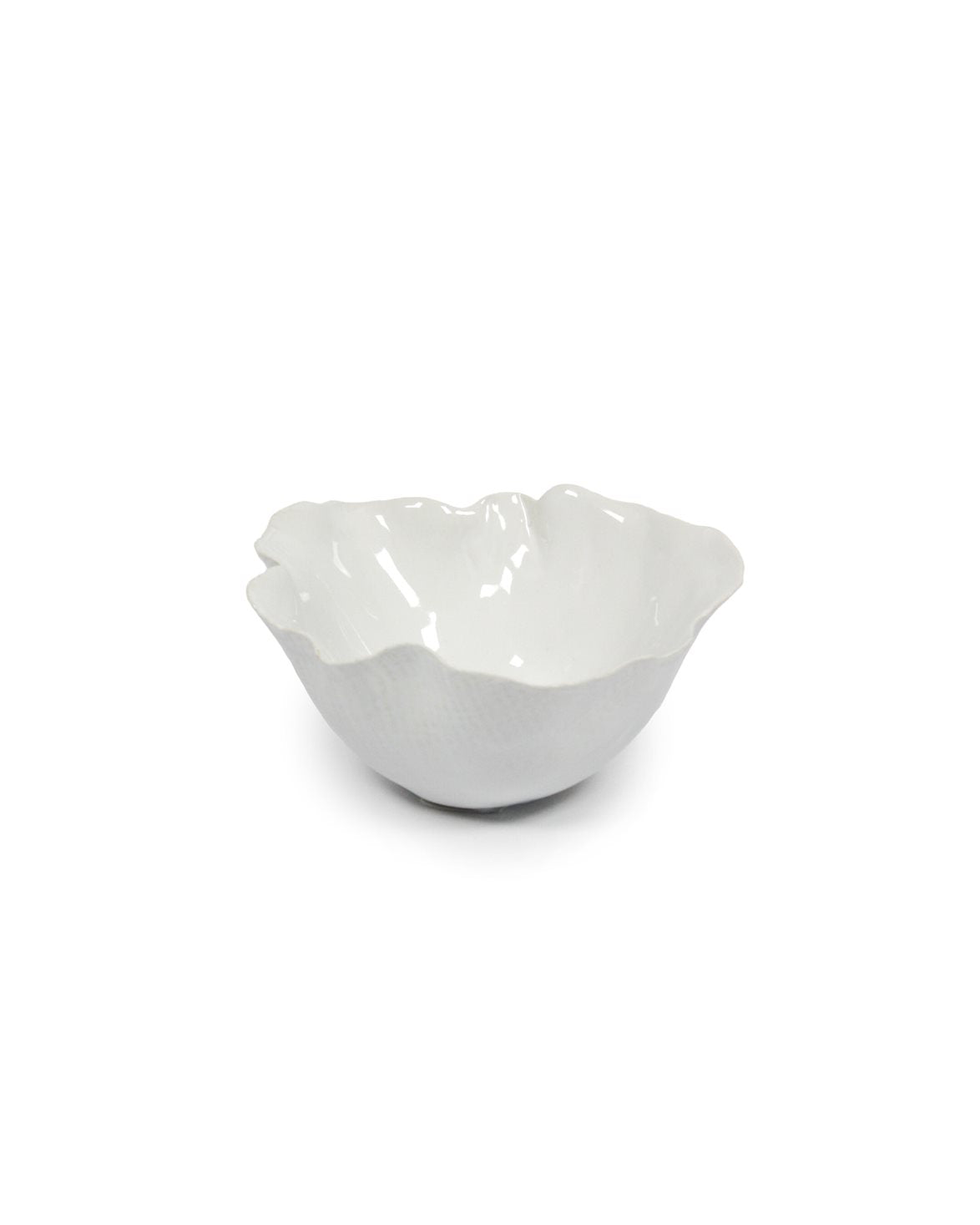
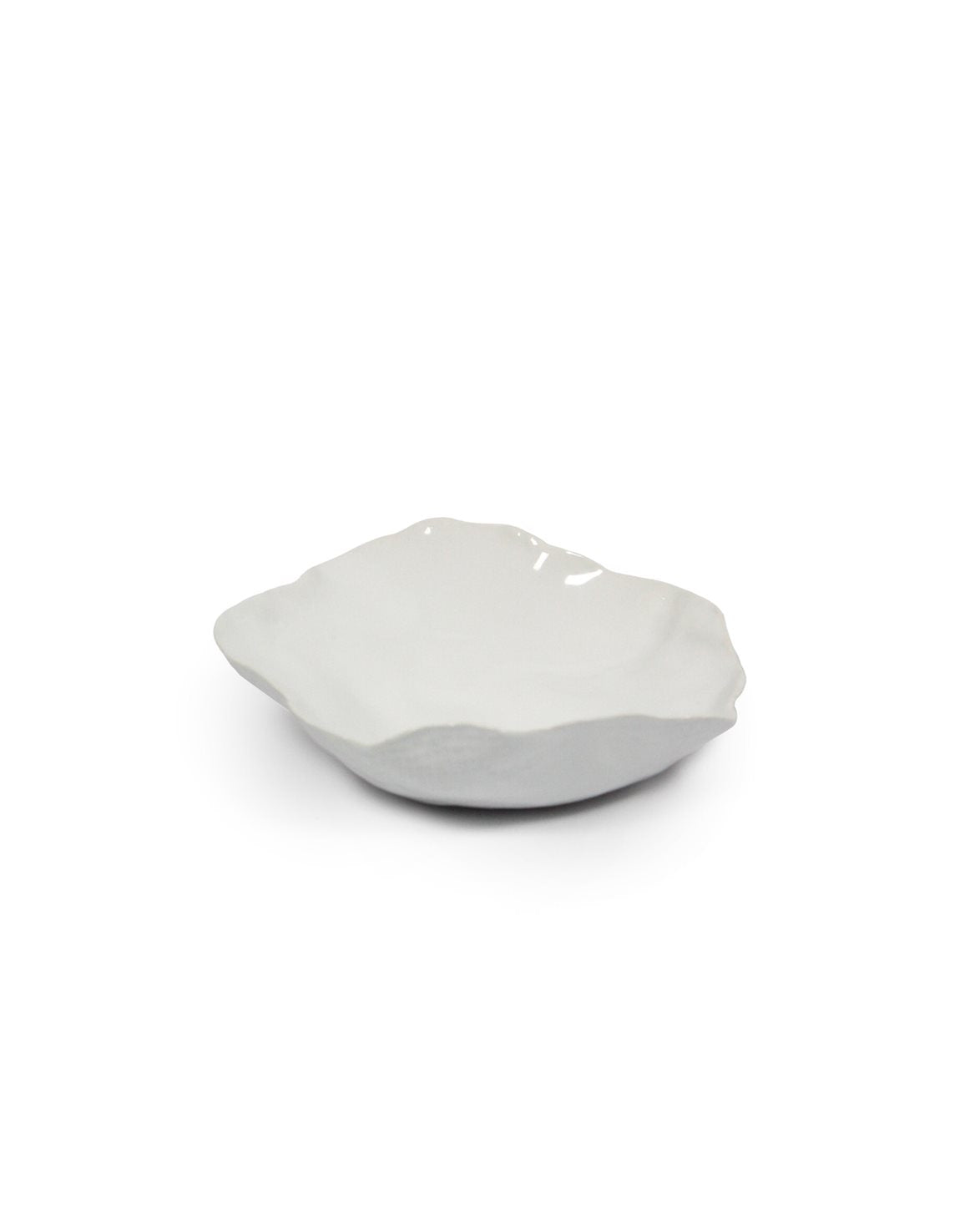
Glaze and surface treatment affect both the visual and tactile properties of a bowl. A glossy glaze gives a smooth, light-reflective surface, while matte, satin-matte or textured glaze creates a more subdued expression. Reactive glazes and hand-glazed surfaces can produce variations in colour, tone and texture between individual products. Handmade ceramic models may also have minor differences in shape, rim and glaze, which occur naturally as part of the manufacturing process. Decoration can consist of colour, pattern, relief, brushstrokes or contrasting edges, and may be placed on the inside, outside or along the rim of the bowl.
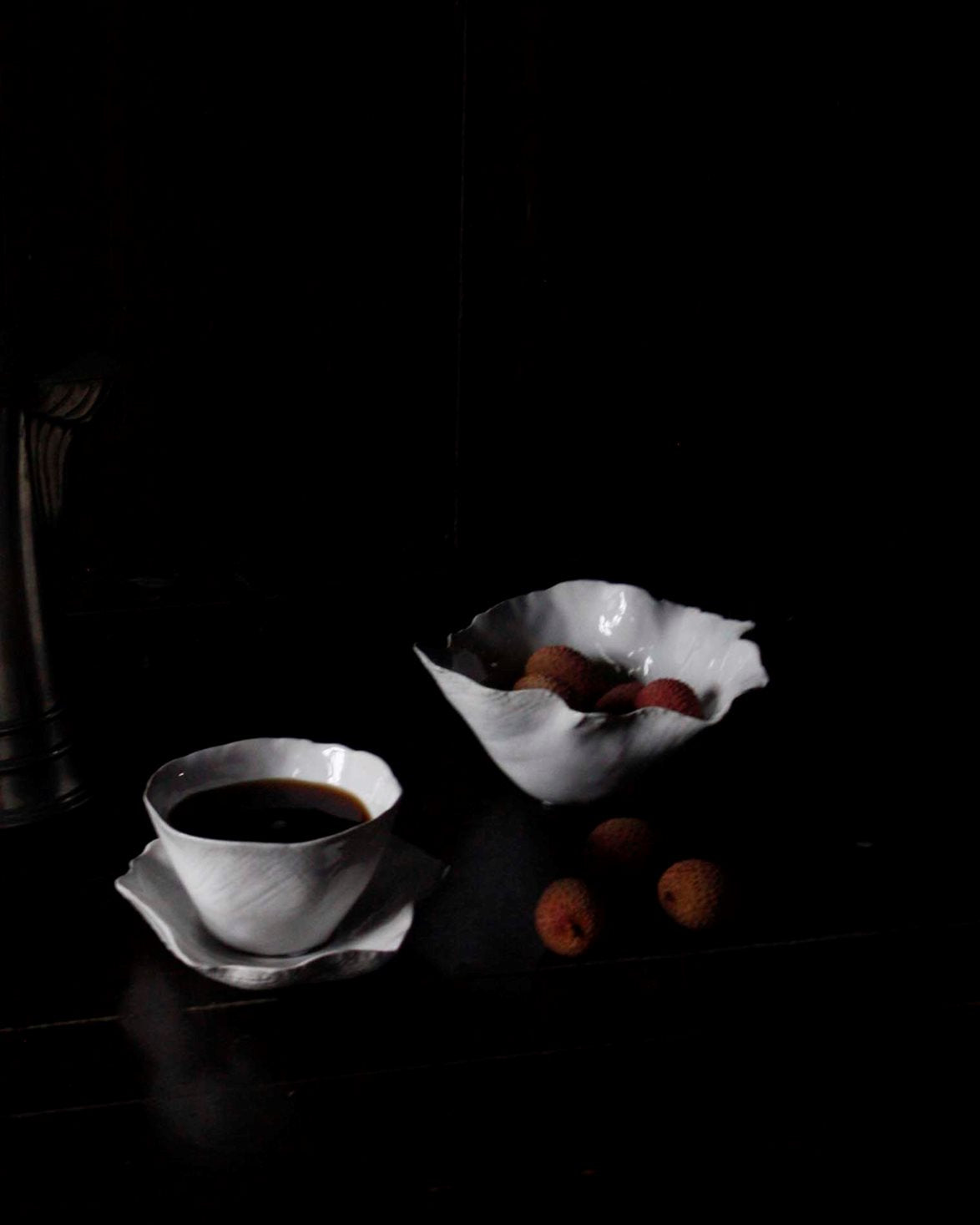
Shape, proportion and size affect how Bowls can be used in a table setting. A low, wide bowl can give food a larger presentation surface, while a taller model holds larger volumes and creates a more concentrated presentation. Smaller Bowls can be placed alongside plates and side plates to serve accompaniments, sauces and smaller dishes, while larger serving Bowls can be placed centrally on the dining table. Bowls can also be combined in different sizes and shapes, where variation in height, material and surface creates several layers in the table setting without the pieces needing to belong to the same series.
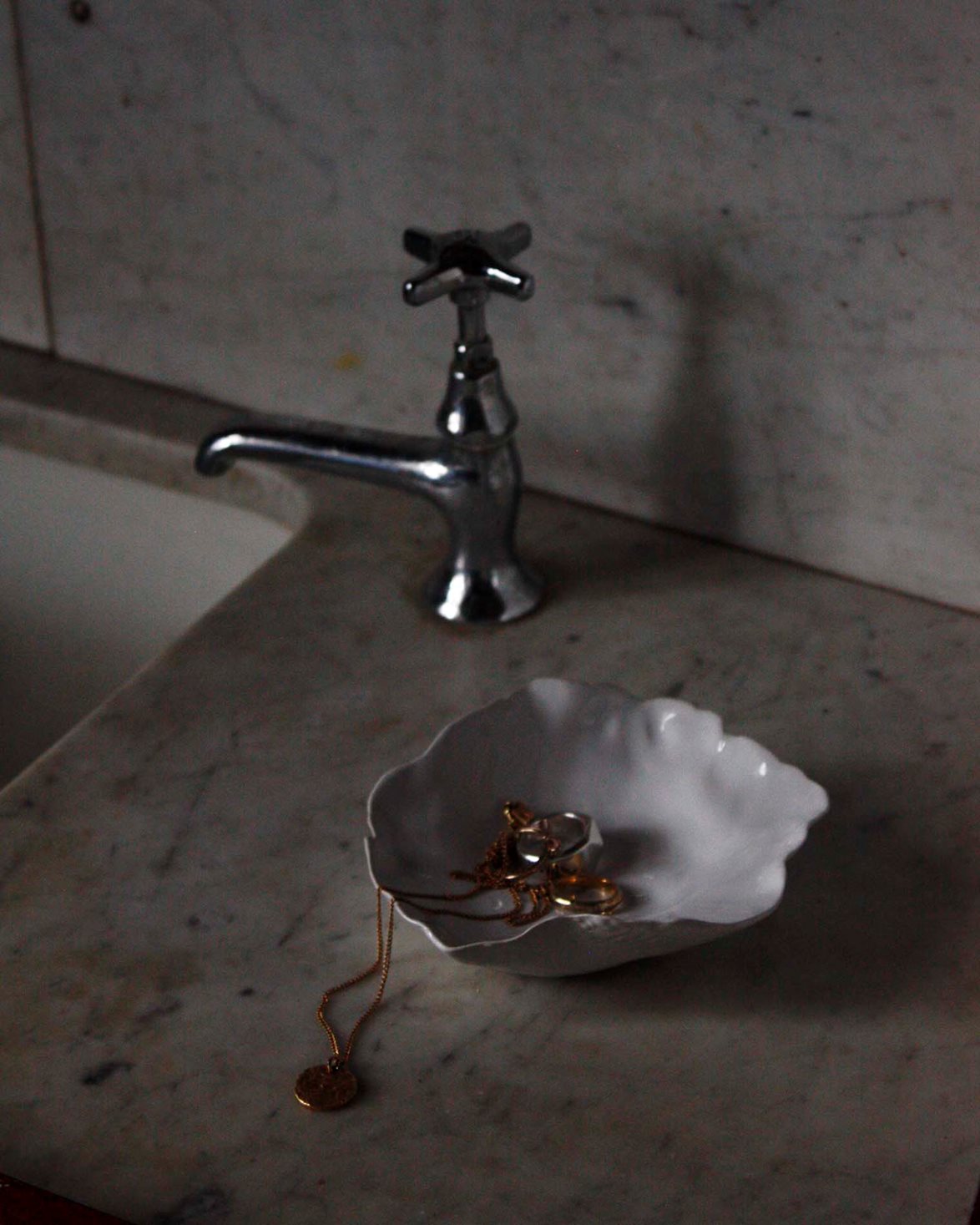
Serving Bowls have a broader function and are often used as a central part of the meal. Larger models can hold salad, pasta, vegetables, fruit or other dishes shared at the table. The shape of the bowl should then be adapted to the volume of the contents and how the food is to be served. Wider openings provide good access with cutlery, while deeper models may be suitable for dishes with a larger amount of liquid or sauce. Decorative Bowls can also be used without food and placed on, for example, sideboards, consoles and other surfaces as part of the interior.
Intended use and material determine which properties are most important in use. Porcelain and many types of stoneware are suitable for everyday use, while more delicate hand-painted decorations, metallic details and certain glazes may require more careful handling. Wood and other porous natural materials may have different limitations regarding liquid, heat and cleaning. For models intended for microwave or dishwasher use, the manufacturer's recommendations should always be followed, particularly when the product has decoration, metallic details or a more delicate surface treatment.
Proper care helps preserve the bowl's material, glaze and decoration over time. Porcelain and stoneware can often be washed in a dishwasher, but this should always be checked against the product's care instructions. Hand-painted models and bowls with metallic details may need to be washed by hand to protect the decoration. Ceramic products should be handled carefully to avoid impacts to rims and surfaces, and significant temperature changes should be avoided unless the material is designed to withstand them. Wood and other more delicate natural materials should be cleaned according to the manufacturer's recommendations and not left submerged in water. When stacking, it is important to place the bowls carefully to reduce the risk of scratches, chipped rims and stress on more delicate glazes.
Vallgatan 12's selection of Bowls includes models where function, material, form and surface treatment work together with the table setting and interior. From smaller breakfast, dessert and snack models to deeper Bowls for soup and pasta, as well as larger serving Bowls, there are options for the different parts of a meal. The range moves between pared-back porcelain forms, tactile ceramic models and more decorative or sculptural constructions, where the bowl can function both as a practical vessel and as a prominent part of the table setting.