











Cutlery
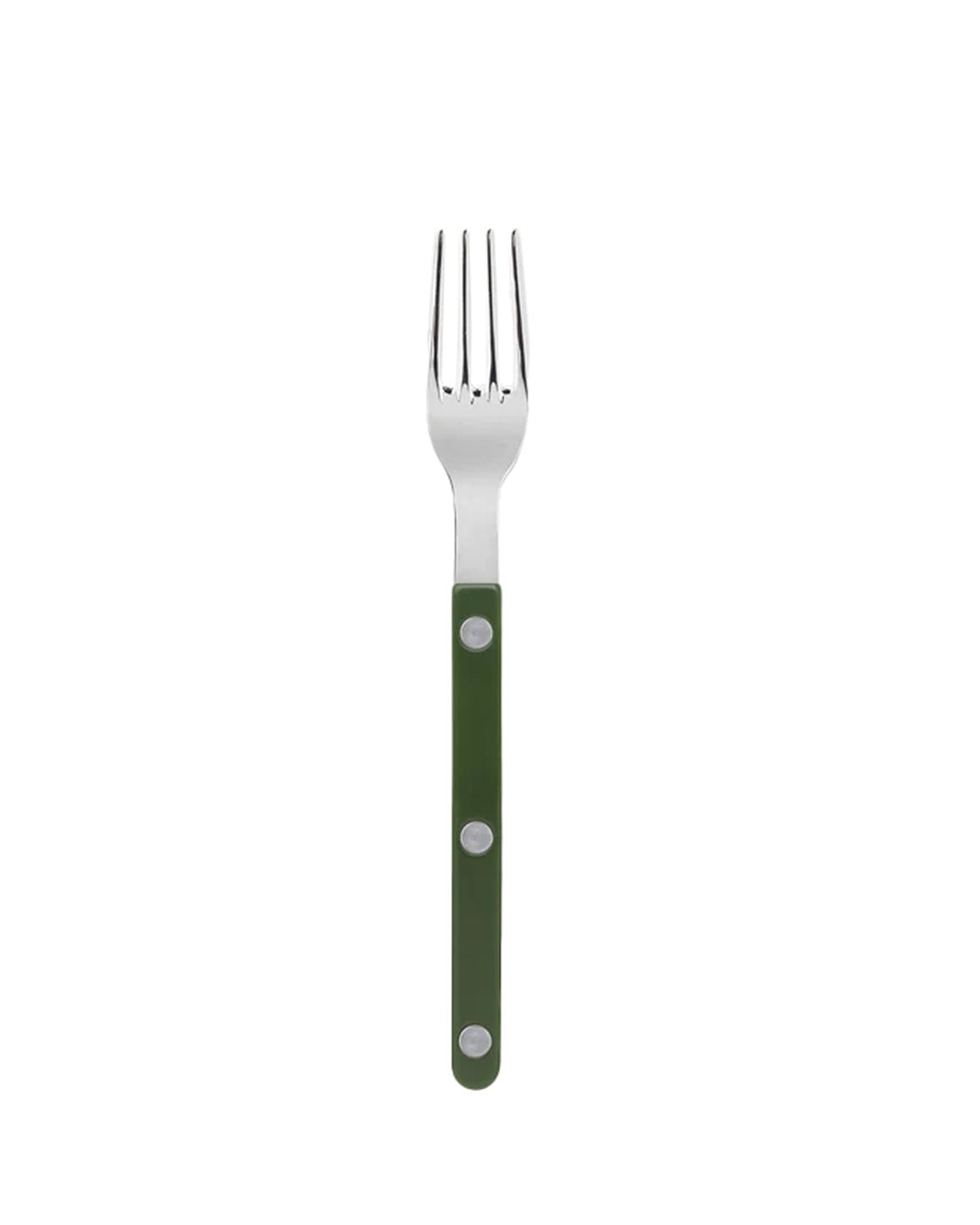
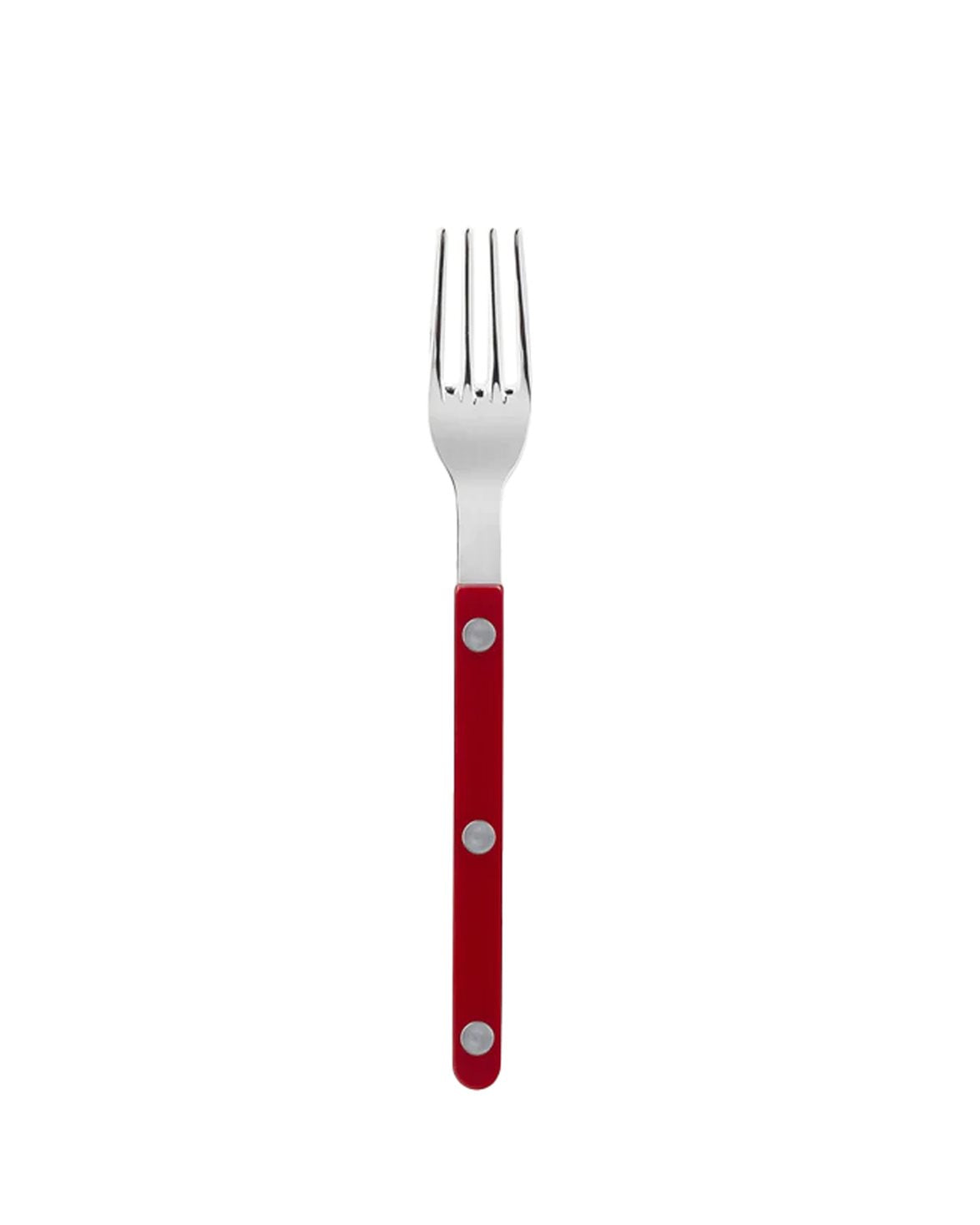
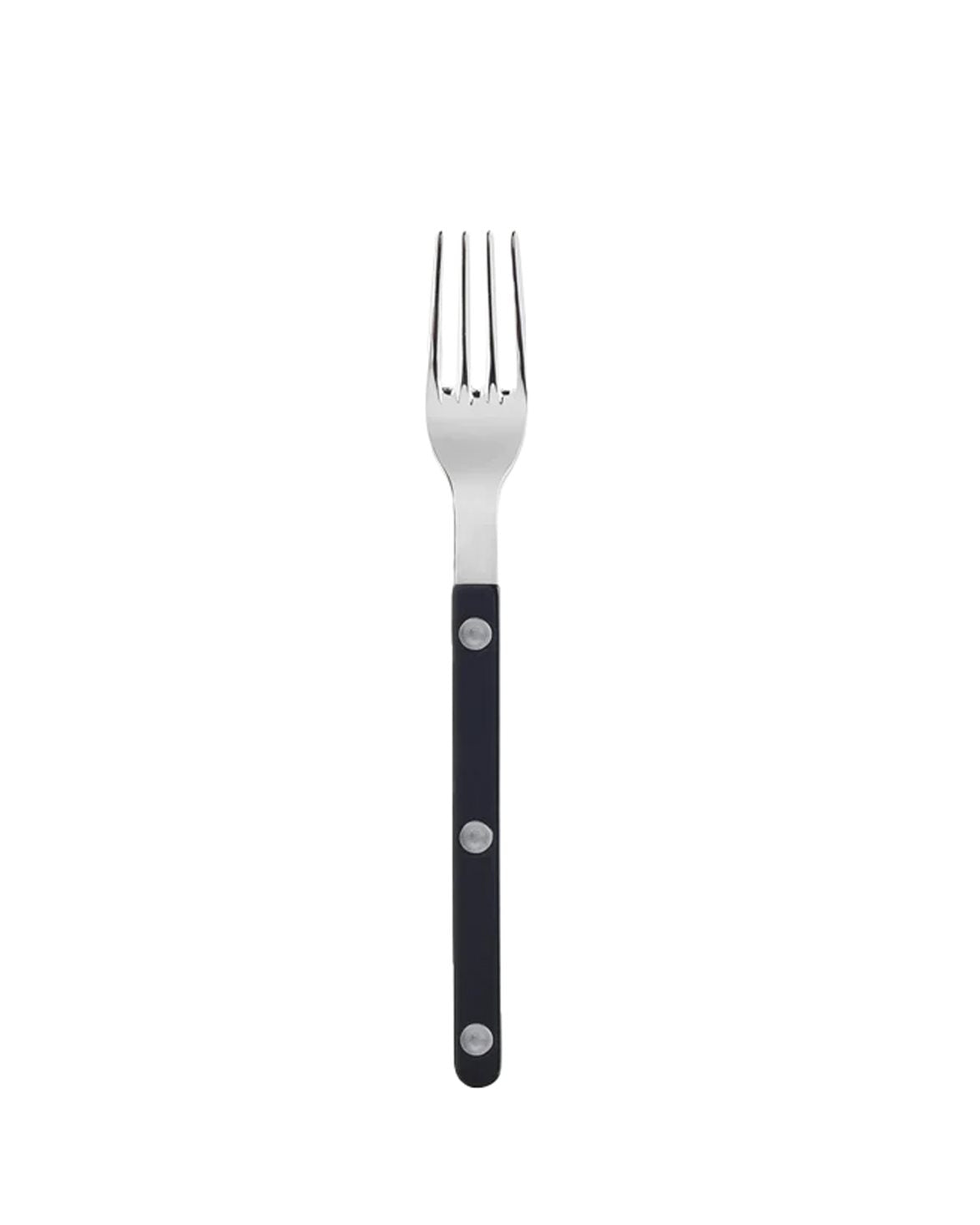
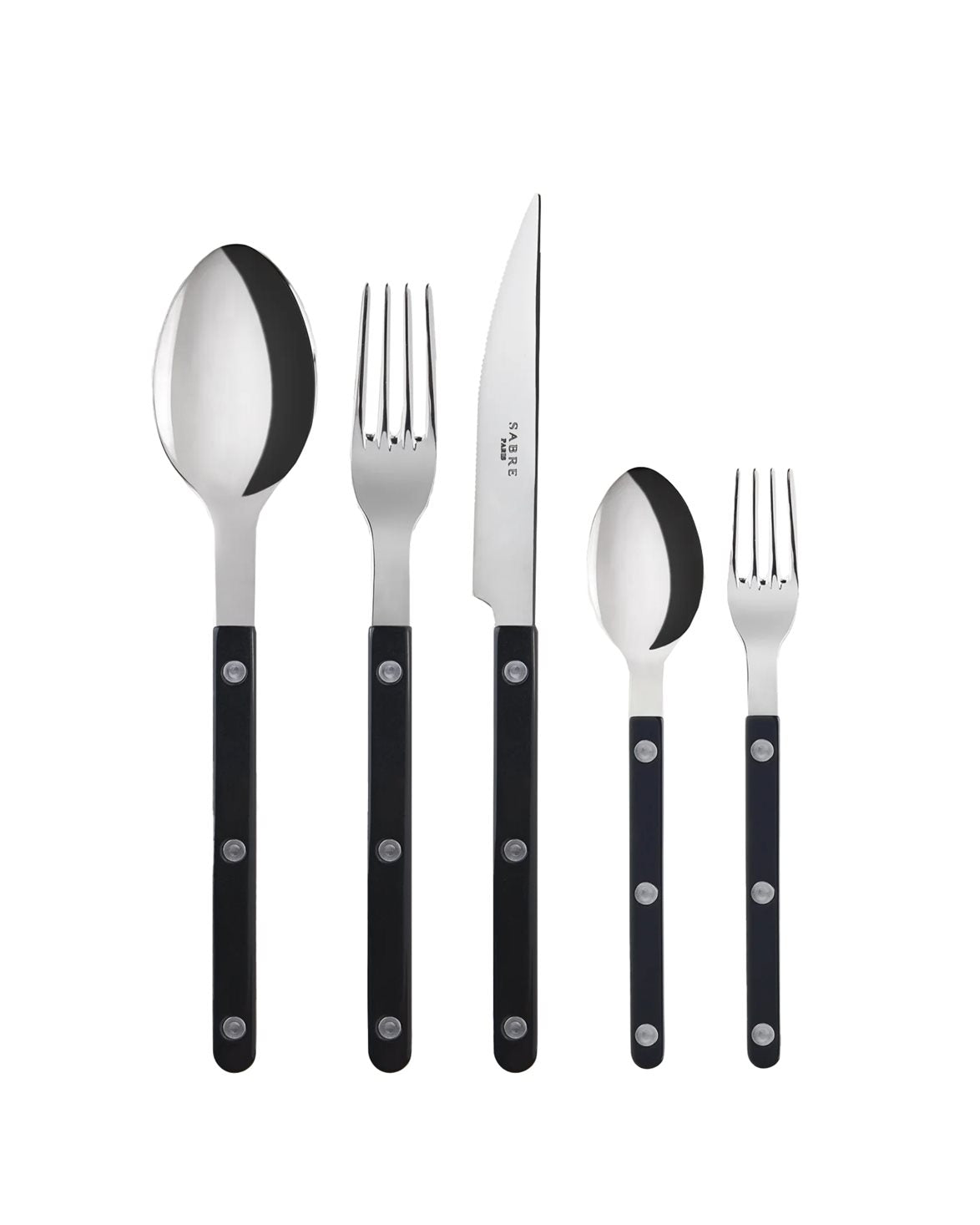
At Vallgatan 12, a curated selection of Cutlery brings together function, material, proportion and form in harmony with plates, glasses and other elements of the table setting. The range includes table forks, table knives, tablespoons, dessert cutlery and smaller specialized pieces, from pared-back metal models to more expressive designs with coloured, patterned or tactile handles.
A traditional place setting usually consists of a fork, knife and spoon, with each piece designed for its function. The table fork is used for main courses and usually has several evenly spaced tines, while the table knife has a shaped edge for cutting different types of food. The tablespoon is used for soups, desserts and other dishes that require a larger spoon shape. Dessert forks, dessert spoons and smaller knives are proportioned for smaller servings, while specialized cutlery may be designed for fish, salad, cheese or other specific dishes. Which pieces are included in a set varies between different table settings and uses.
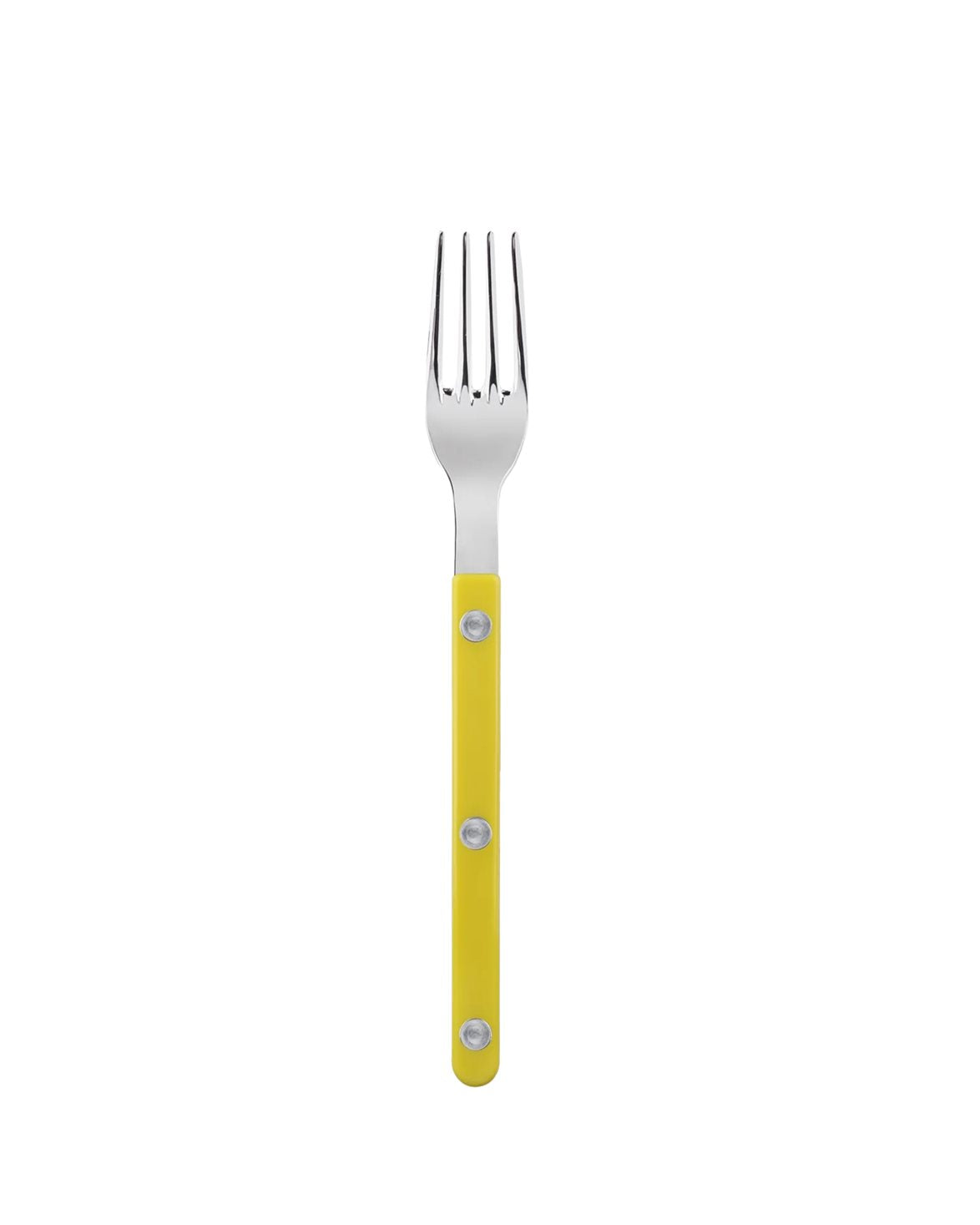
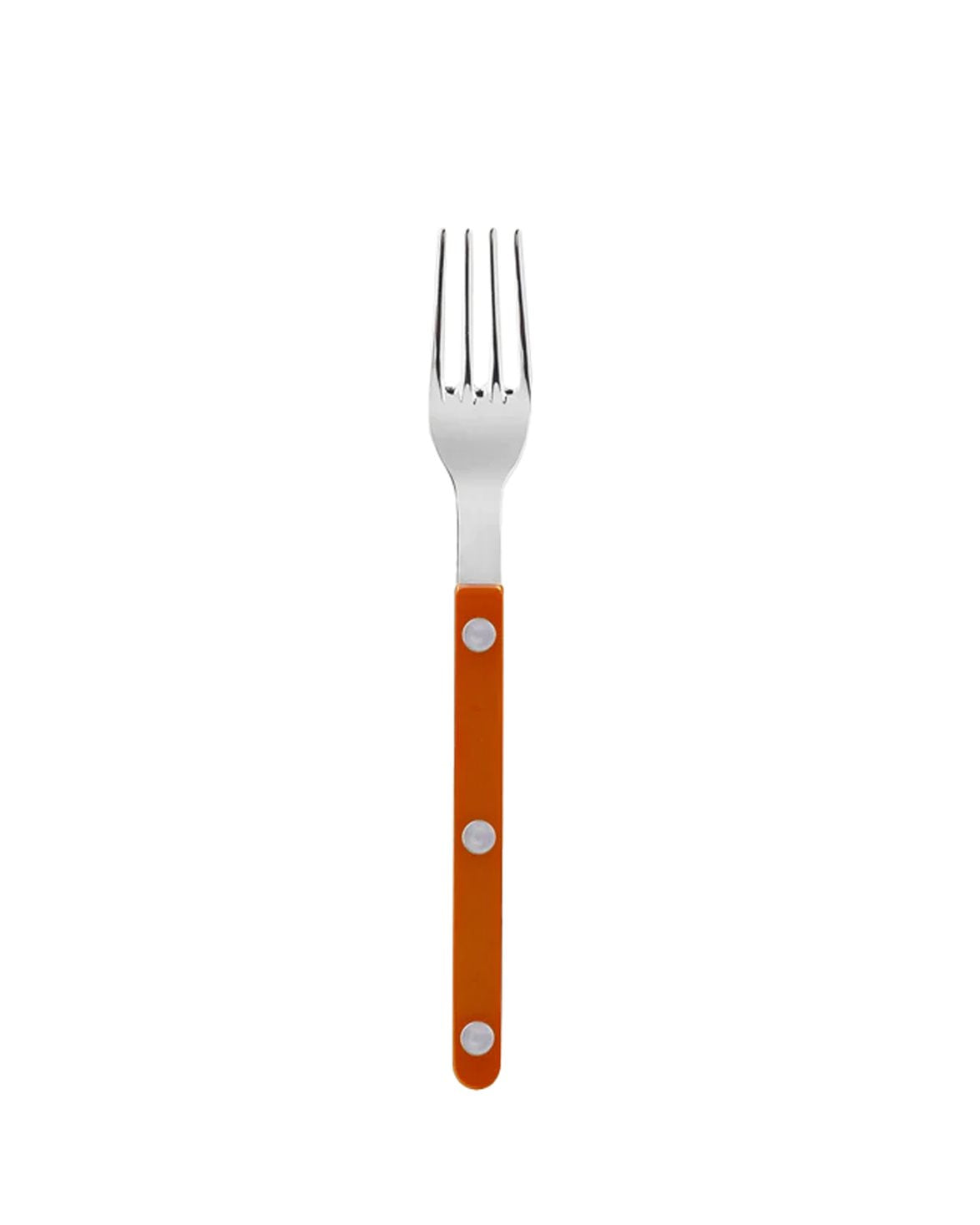
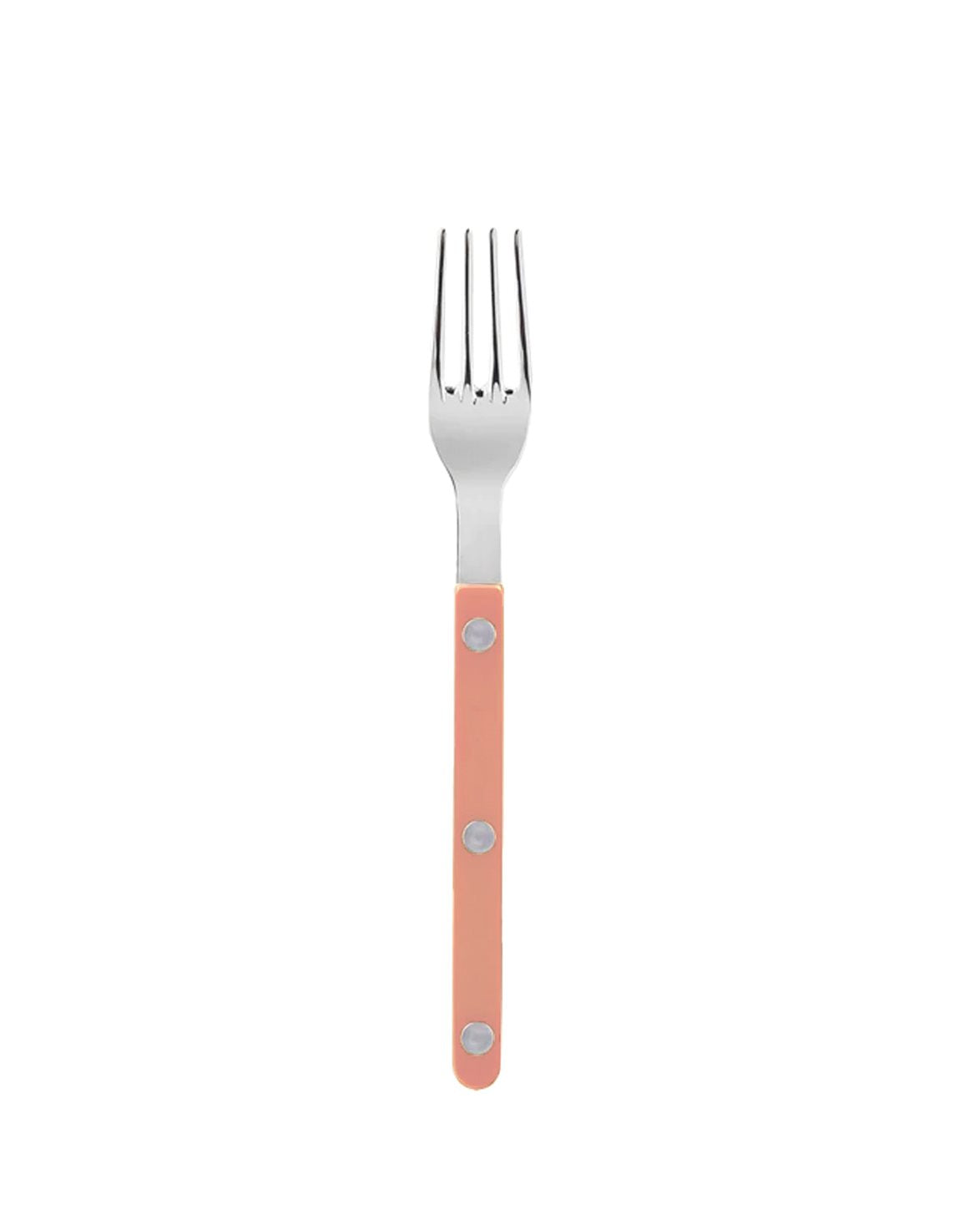
Material and construction have a major impact on the durability, weight and feel of Cutlery in the hand. Stainless steel is the most common material and is used in different grades, with 18/10 and 18/8 indicating the levels of chromium and nickel in the steel. Chromium contributes to corrosion resistance, while nickel affects the material's lustre and resilience. Silver and silver-plated Cutlery are also available, as are models with handles made from resin, acrylic, wood or other materials. The combination of metal and a separate handle makes it possible to work with contrasts between colour, texture and material.
Cutlery can be manufactured through various processes that affect its construction and weight. Forged models are shaped from a single piece of metal and can have a more substantial construction, while pressed or stamped Cutlery usually has a thinner and lighter profile. Thickness, weight distribution and the transition between the handle and the utensil affect the balance when the Cutlery is held in the hand. For knives, the shape, sharpness and weight of the blade are particularly important, while the fork's tines and the spoon's depth need to be adapted to their intended use.
Shapes and proportions range from thin, minimalist models to more substantial Cutlery with wider handles and more pronounced silhouettes. Handles may be straight, tapered, rounded or sculpturally shaped, with smooth, matte, polished or textured surfaces. The surface finish affects how the metal reflects light and how the Cutlery works with porcelain and glass. Polished surfaces create a clearer reflection, while brushed and matte surfaces give a more subdued impression. Coloured or contrasting handles can add further materiality to the table setting.
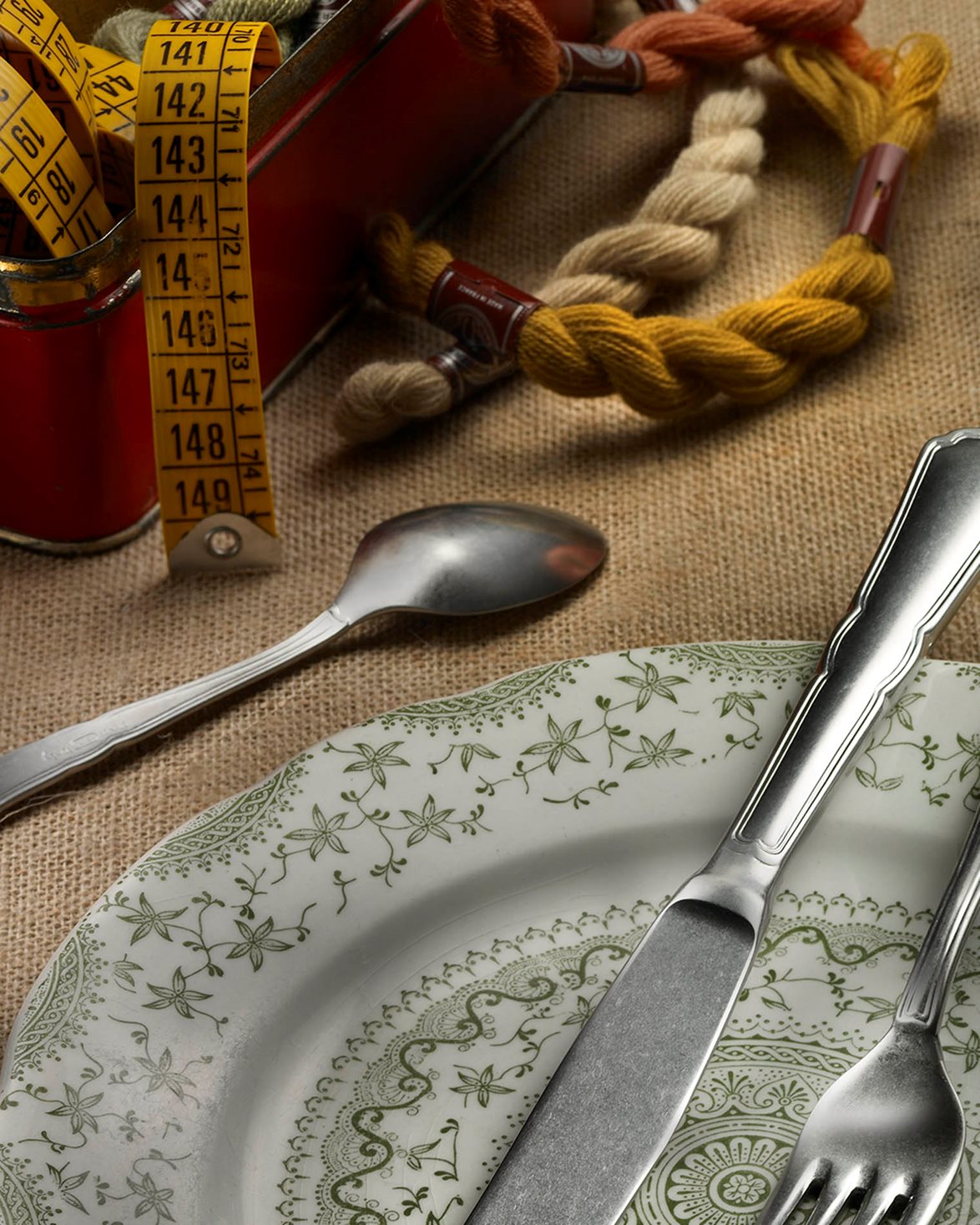
Cutlery is usually placed directly beside the plate and arranged according to the order in which the different pieces are used during the meal. In a basic table setting, the fork is placed to the left of the plate and the knife and spoon to the right, while more extensive settings may be complemented with additional Cutlery for starters, dessert or other courses. The proportions of the Cutlery also need to relate to the size of the plate and the other elements of the place setting to create a functional and balanced table setting.
Cutlery can be used as a coordinated set or combined with different models to create variation in the table setting. A unified design language creates a more consistent whole, while differences in material, colour, surface finish or proportion can be used to create contrast. Models with coloured or decorative handles can serve as a more prominent part of the table setting, while pared-back metal Cutlery can allow plates, glasses and textiles to provide more of the variation. The weight and balance of the Cutlery also affect how it feels in use and are therefore an important part of its construction.
Proper care helps preserve the surface and function of Cutlery over time. Stainless steel Cutlery can often be washed in a dishwasher, but the manufacturer's recommendations should always be followed, especially for models made from other materials or with delicate surface finishes. Cutlery should not be left in prolonged contact with food residue or moisture, as certain foods and salts can affect the metal's surface. Polished and coloured surfaces may require more careful handling to avoid scratches. Silver and silver-plated Cutlery can oxidize and darken over time and therefore need to be cleaned with products intended for silver. Handles made from wood, resin, acrylic or other materials should be cared for according to the respective manufacturer's instructions.
Vallgatan 12's selection of Cutlery includes models where function, material, balance and form work together with the table setting. From classic stainless steel Cutlery to models with coloured, textured or more sculptural handles, there are options for both everyday meals and more considered table settings. The range moves between pared-back metal forms and more expressive designs, where the proportions, surface finish and material of the Cutlery become an integral part of the overall table.