


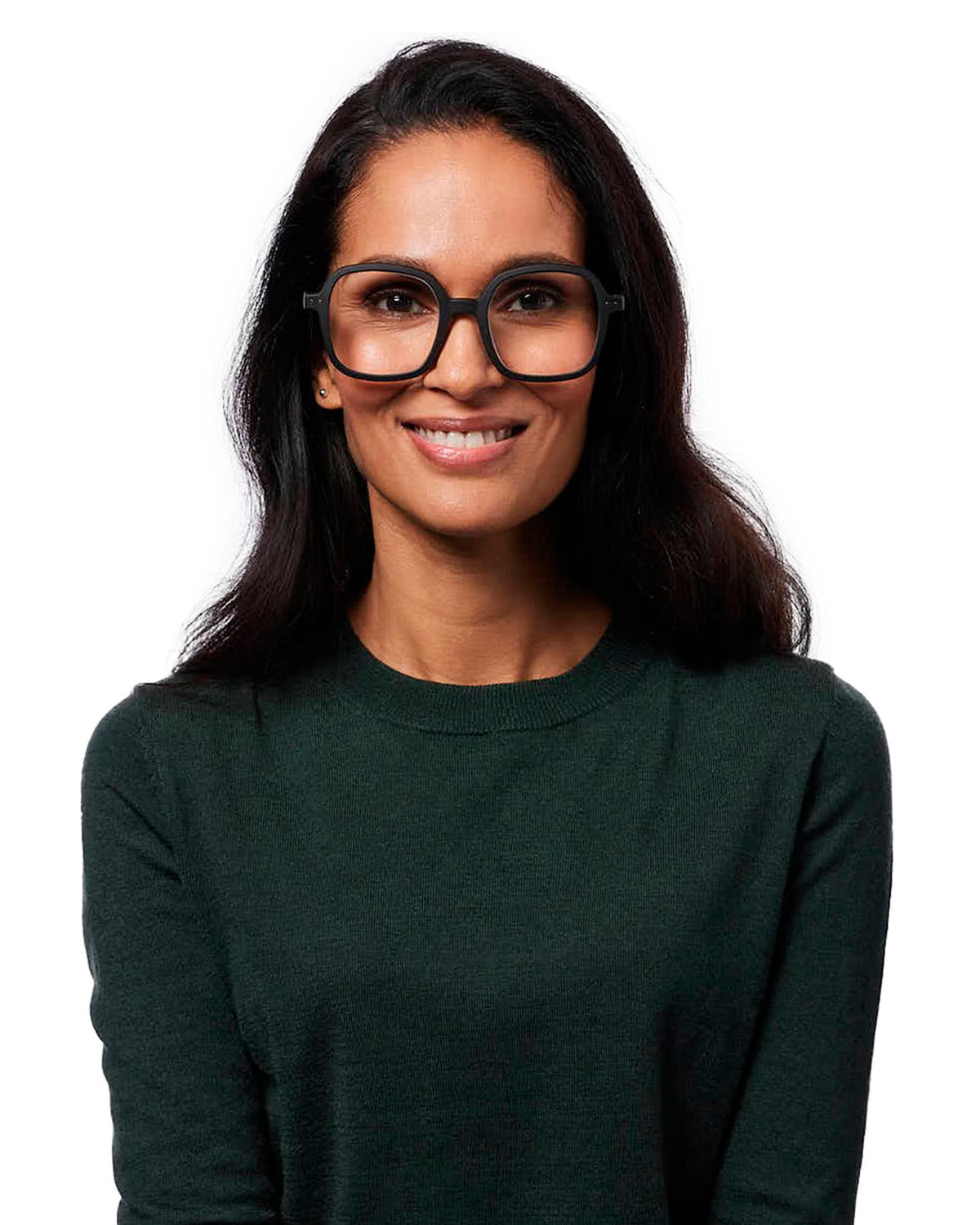


Knitwear
Vallgatan 12 offers a carefully curated selection of knitwear from established and contemporary brands, where exclusive natural fibers meet varied knitting techniques, textures, and silhouettes. The range extends from fine-knit sweaters in merino wool, cashmere, and silk to heavier cable knits, Cardigans, turtlenecks, and modern styles with considered details, with variations that make knitwear useful both as a base layer and as a more prominent garment.
Knitwear comprises garments made by joining yarn into loops to create a flexible and supple construction. Unlike woven materials, knitted materials generally have natural elasticity, providing good freedom of movement and making them suitable for layering. Knitted garments vary considerably in weight, thickness, density, and texture depending on the yarn, knitting technique, and construction. Fine-knit qualities often work close to the body or under blazers and outerwear, while heavier knits provide more warmth and volume.
Wool is one of the most common materials in knitwear and comes in several different qualities. Merino wool is a finer wool fiber that combines insulating properties with good breathability and moisture management, making it useful in both lightweight and heavier knitted garments. Lambswool is a softer wool quality often used for warmer sweaters, while mohair and alpaca provide a lightweight and often hairy texture with good warmth relative to their weight. Cashmere stands out for its fine fibers and soft feel and is used primarily in more exclusive knitted garments.
Cotton is also used in knitwear and generally provides a cooler and less insulating quality than wool. This makes cotton knitwear particularly relevant in spring and summer or as a lighter layer during transitional periods. Silk appears in finer knits and can be blended with wool, cashmere, or other fibers to combine softness, luster, and a lighter feel. Synthetic fibers such as polyamide, polyester, and acrylic are used in some qualities to influence properties such as durability, elasticity, shape retention, and price. Blends of natural and synthetic fibers are often used to balance different material properties.
The construction of a knit affects both the garment's appearance and function. Stockinette stitch creates an even and relatively smooth surface, while rib knit has a more elastic structure and is often used for turtlenecks, cuffs, and hems. Cable knit creates three-dimensional patterns by crossing the stitches, giving the garment both texture and increased visual volume. Textured knits, bouclé, and brushed or fluffy qualities can create further variation in surface and feel. The density of the knit and the thickness of the yarn also affect how much warmth the garment retains and how it drapes on the body.
Knitted garments come in several established styles and silhouettes. Crew neck with a crew neck is one of the most versatile styles and appears in everything from fine merino qualities to heavy cable knits. V-neck sweaters create a more open neckline and are often worn over a shirt or T-shirt, while turtlenecks and rollnecks provide more coverage around the neck and work as warming layers during colder periods. Cardigans open at the front and may have buttons, a zip, or other types of fastenings. Polo and half-zip styles combine a sportier construction with knitted material and appear in both finer and heavier qualities.
The fit ranges from close-fitting and fitted styles to regular fit, relaxed, and oversized silhouettes. A thinner, close-fitting knitted sweater can work as a warming base layer under a shirt, blazer, or outerwear, while a roomier and heavier style is often worn as a standalone layer. Raglan sleeves, drop shoulders, high collars, and elongated or cropped proportions are examples of constructions that affect both freedom of movement and silhouette. The garment's proportions should also be considered in relation to the thickness of the knit, since a heavy quality naturally creates more volume than a fine-knit construction.
Proper care is essential for preserving the shape, texture, and material of knitted garments over time. Wool and cashmere generally do not need to be washed after every wear and can benefit from being aired between uses. When the garment needs washing, the care instructions should be followed carefully and the temperature kept low. Hand washing or a dedicated wool cycle is often suitable for delicate qualities, while bleach and fabric softener should be avoided.
Drying is particularly important for knitted garments because moisture and weight can affect their shape. Garments in wool and cashmere should not be wrung or hung up while wet, but gently pressed free of excess water and dried flat while being reshaped to their original proportions. Cashmere and other delicate knits should also be stored folded rather than on a hanger to reduce the risk of stretching and deformation.
Pilling can occur on knitted garments, especially in areas exposed to friction. It is a natural result of fibers loosening and gathering on the surface and can also occur with fine natural materials such as cashmere. Pilling can be carefully removed with a cashmere comb or fabric shaver suited to the material. Jewellery, bags, and other items that may catch on the yarn should be handled carefully to avoid pulling out the fibers.
Vallgatan 12's selection of knitwear includes styles where yarn, knitting technique, texture, and silhouette create variation between lightweight layers and more insulating garments. The range includes classic sweaters and Cardigans alongside modern interpretations in materials such as merino wool, cashmere, mohair, alpaca, cotton, and silk. Through the variety of qualities, constructions, and fits, knitwear functions as a central layer in the wardrobe, from fine-knit garments for layering to heavier styles for colder temperatures.