


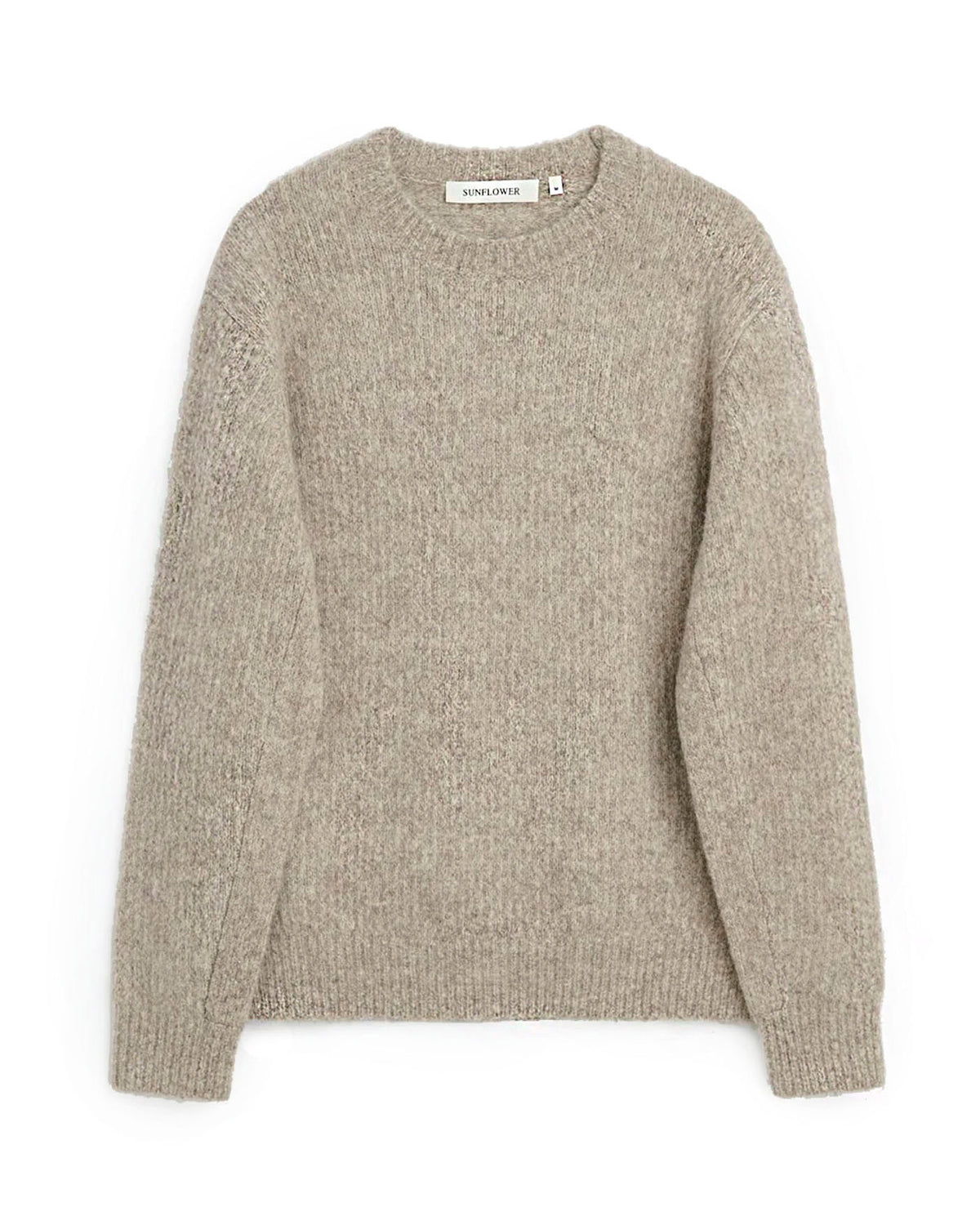
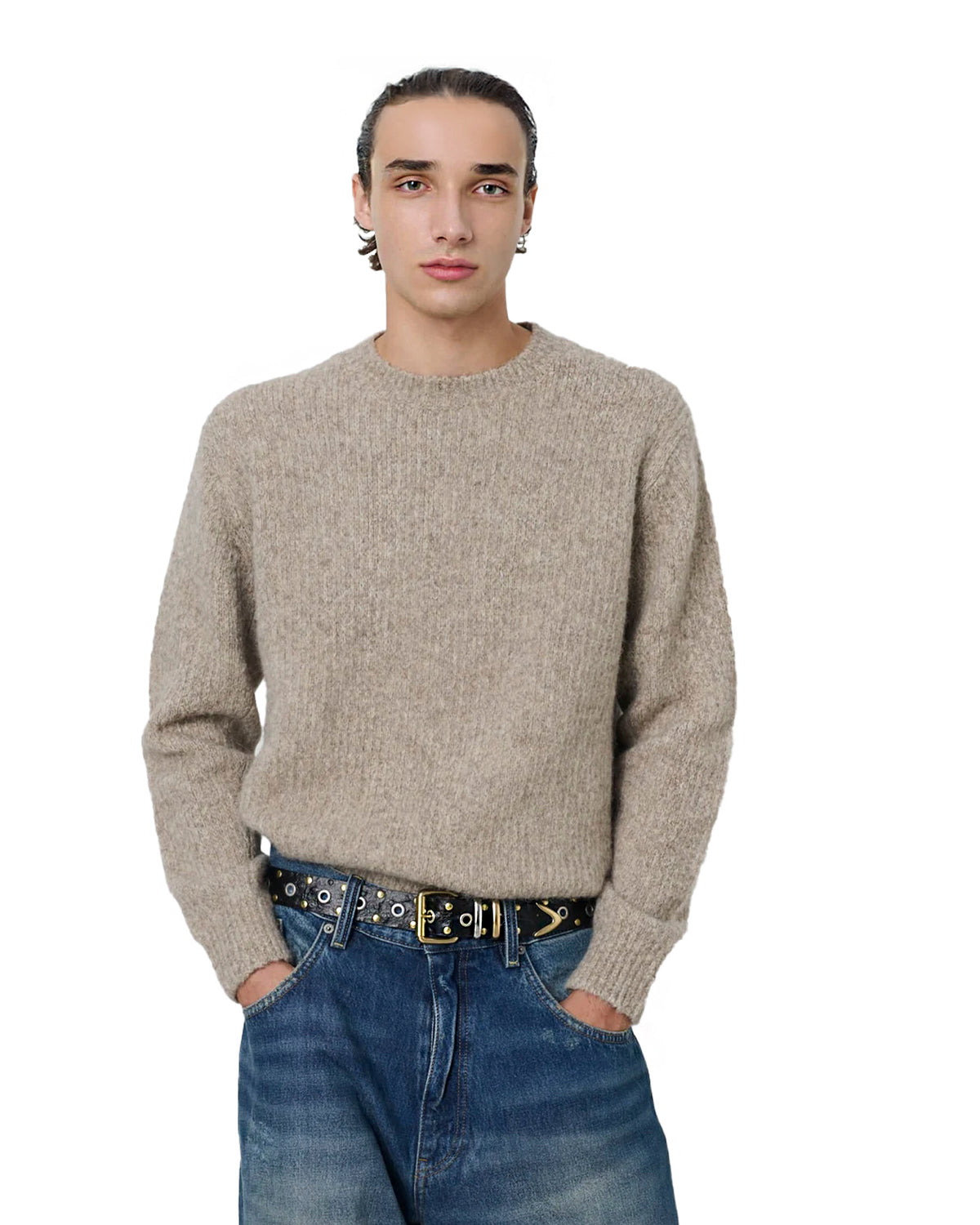


Sweaters
At Vallgatan 12, a curated selection of knitwear from established and contemporary brands brings together classic silhouettes with modern proportions, materials and knitting techniques. The selection includes crewnecks, V-necks, polo necks and high necks, as well as both fine-knit and chunkier constructions.
Neckline and silhouette play an important role in a knitted sweater's expression and use. Crewneck styles are an established staple, while V-neck sweaters create a more open neckline and can be worn over shirts or lightweight tops. Polo necks and high necks provide more coverage around the neck and are particularly suitable for cooler periods. Oversized and boxy styles add volume through a wider body and dropped shoulders, while straighter or closer-fitting constructions can be worn closer to the body or under additional layers.
The material affects the sweater's warmth, weight, drape and feel against the skin. Wool and merino wool are common yarn fibres that provide good insulation and have natural temperature-regulating properties. Cashmere is characterised by very fine fibres and a soft feel, while alpaca and mohair can provide warmth, volume and a distinctive hairy surface. Cotton is often used in lighter knitted sweaters and is suitable for milder temperatures, while linen and other plant-based fibres can provide a drier, more structured feel. Blends of different fibres are used to combine properties such as softness, durability, warmth and shape retention.
The knitting technique affects both the sweater's structure and how it drapes on the body. Fine-knit styles have a thinner, smoother construction that works well for layering, while chunkier knits provide more volume and insulation. Rib knitting adds elasticity and a pronounced texture, while cable knitting and other relief patterns create depth and variation on the surface. Textured knits, jacquard and multicoloured techniques can be used to create patterns, while smooth knits allow the quality of the yarn and the garment's proportions to take centre stage.
The fit ranges from classic and close-fitting styles to generous oversized silhouettes. Dropped shoulders, wide sleeves and longer bodies create a more voluminous construction, while defined shoulders, ribbed finishes and more precise cuts provide a clearer shape. Cropped styles can alter proportions when worn with high waists, while longer sweaters can be worn over shirts or lighter layers. Knitted sweaters can also feature details such as polo necks, wide sleeves, pronounced cuffs, slits and asymmetrical finishes.
Knitted sweaters can be worn as standalone garments or integrated into several layers depending on the weight and construction of the material. Lighter qualities in cotton, merino wool and fine wool blends work well during transitional periods and can be worn under a blazer, jacket or coat. Heavier wool, alpaca and mohair blends provide more insulation and can also function as an outer layer in mild weather. Layering with shirts, T-shirts, blouses and outerwear makes it possible to adapt knitted styles to both temperature and dress.
Colour, pattern and texture can change the expression of a knitted sweater without affecting its basic construction. Solid-colour styles highlight the yarn, knitting technique and silhouette, while stripes, jacquard patterns, intarsia and multicoloured constructions create a more pronounced surface. Classic styles also return in contemporary proportions, materials and colours, allowing knitwear to move between pared-back staples and more expressive, design-led styles. The current fashion landscape also shows how classic crewnecks, V-neck sweaters and more voluminous constructions continue to be central to modern knitwear.
Proper care is essential for preserving a knitted sweater's shape, surface and material over time. Wool, merino wool, cashmere, mohair and alpaca should be washed sparingly and according to the garment's specific care instructions, as frequent washing and high heat can affect both the fibres and the fit. Laying knitted garments flat to dry is often suitable to reduce the risk of the material stretching under its own weight. Pilling can occur through friction and can be carefully removed with a fabric comb suitable for delicate materials. Knitted sweaters should generally be stored folded rather than hanging, especially heavier styles that could otherwise stretch at the shoulders. Gentle washing, airing and proper storage help extend the garment's lifespan.
Vallgatan 12's selection of knitted sweaters includes styles where yarn, knitting technique and silhouette come together in both classic and contemporary constructions. From fine-knit styles in wool, merino wool and cashmere to chunkier textures in alpaca, mohair and other fibre blends, the category offers variation in neckline, fit, material and expression for different seasons and layers.