


Wallets & Card Holders
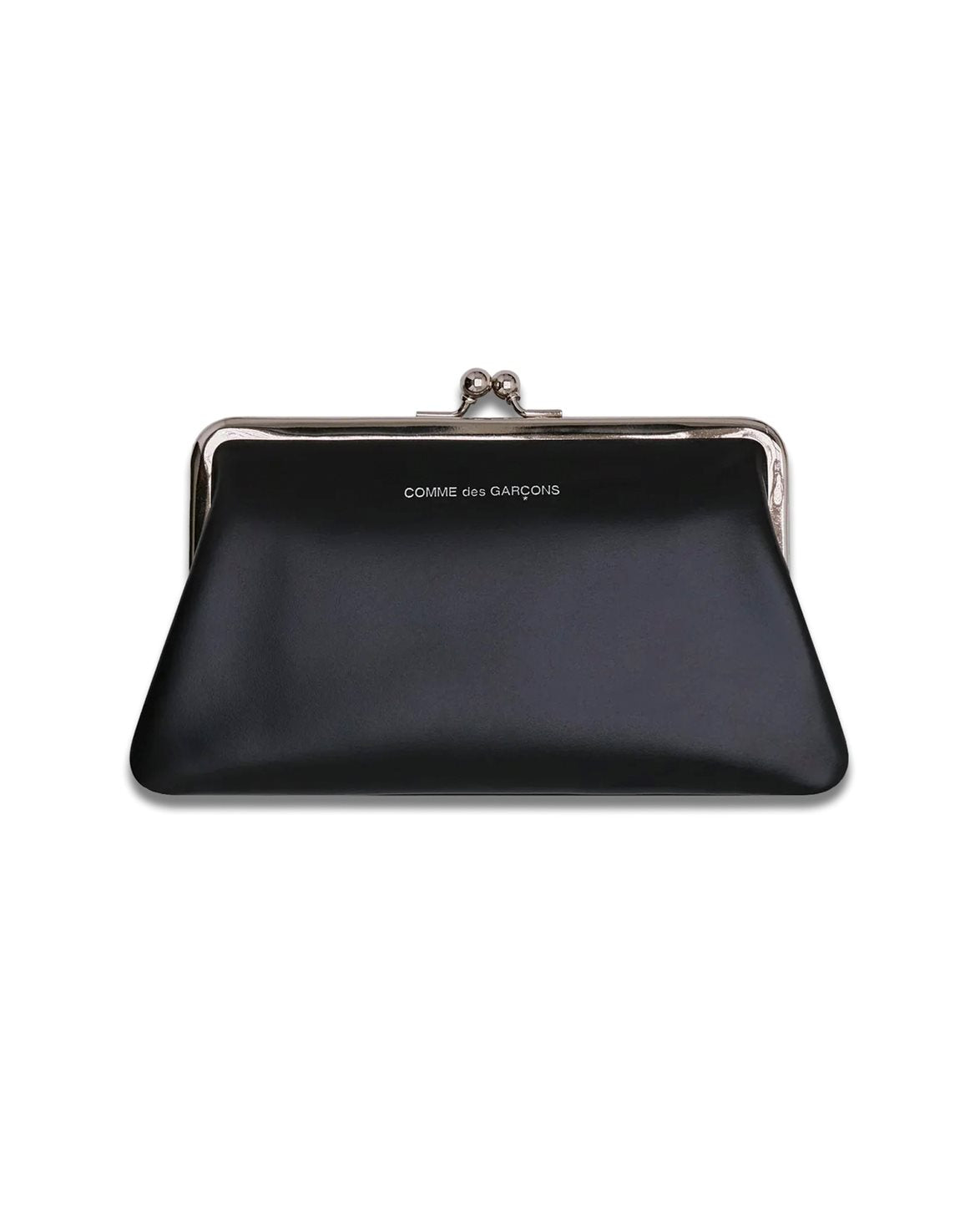
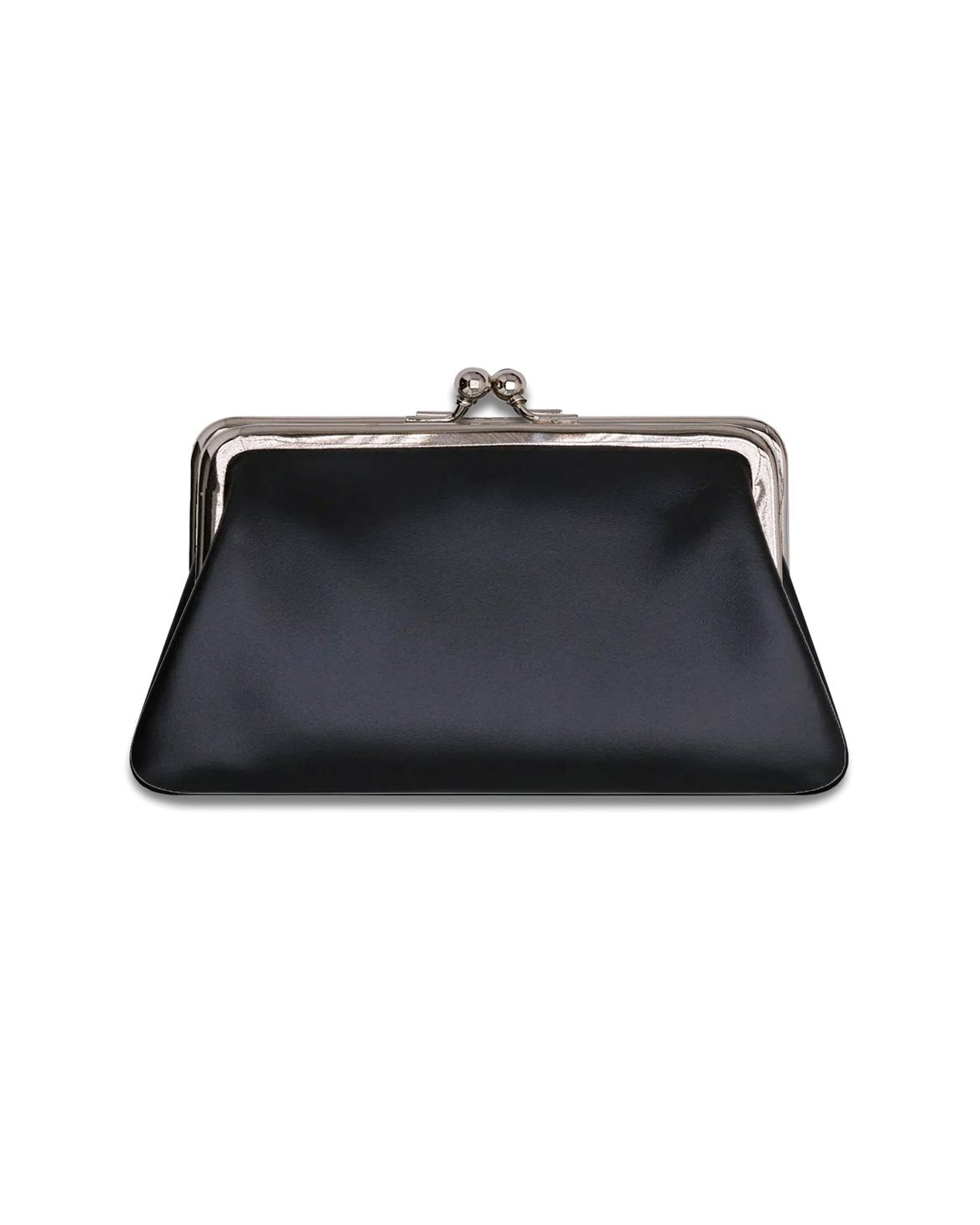
At Vallgatan 12, you will find a carefully curated selection of Wallets from established and contemporary brands, with models designed to organize cards, banknotes, and other small belongings. The range extends from compact card holders and classic folding Wallets to larger models with a zip, coin pocket, and multiple interior compartments, combining functionality with carefully considered materials and details.
The primary function of a wallet is to gather and organize everyday small belongings in a compact format. The choice of model is mainly influenced by what it needs to hold and how the wallet will be carried. A slim card holder takes up little space in a pocket or bag, while a larger wallet provides room for more cards, banknotes, receipts, and, in some cases, coins. Size, thickness, and interior organization are therefore key features when choosing a model.
The card holder is one of the most compact models and usually consists of several card slots, sometimes complemented by a central compartment for banknotes or receipts. Classic bifold wallets fold in half and often combine card slots with a longer banknote compartment, while trifold models have an additional fold and can offer more storage in a smaller footprint. Zip wallets close fully or partially with a zip and may contain separate compartments for cards, banknotes, and coins. Longer wallets and so-called continental wallets are designed to store banknotes without folding them and usually offer a larger number of interior compartments.
Leather is one of the most common materials for wallets thanks to its combination of durability, flexibility, and shape retention. Full-grain leather retains the natural surface of the leather and can develop a patina over time, while embossed or treated leather can provide greater texture and alter the surface properties. Smooth calfskin is often used for its fine texture and suppleness, while saffiano-like and other embossed leather surfaces can provide a more pronounced texture and be less sensitive to minor scratches. Suede and nubuck are also used, but have a more open, softer surface that requires more careful handling.
Wallets are also made from textile and synthetic materials. Canvas and heavier weaves can provide a lightweight, durable construction, while nylon and polyester are used in models where low weight and functionality are key features. Coated textiles and other composite materials can be combined with leather or metal details to create a more structured construction. The thickness of the material affects both the feel of the wallet and how compact it remains when the compartments are filled.
Construction plays a major role in a wallet’s durability and functionality. Leather models can be built from several thin layers that are cut, folded, and sewn together to create separate card and banknote compartments. The edges may be left raw, folded, polished, or sealed depending on the material and manufacturing method. The placement of seams and reinforcements at exposed points is important because card slots, folds, and openings are subjected to repeated stress. On models with a zip, the construction of the zip also affects how the wallet opens and how the contents are kept in place.
Details range from discreet logos and embossed markings to contrast stitching, metal fittings, and decorative surface treatments. The number and placement of card slots, coin pockets, banknote compartments, and exterior pockets determine the practical organization. Some models have RFID-blocking materials designed to reduce the possibility of contactless reading of compatible RFID and NFC cards. Functionality varies between products and should therefore be assessed based on the specific model’s features.
Wallets are seasonless accessories in which use and material are generally more important than the time of year. Compact card holders work well when a smaller format is preferred, while larger wallets offer more organized storage. At the same time, material, proportions, and details make the wallet part of the broader accessories range, where it can complement, for example, a bag, belt, and other leather goods.
Proper care helps a wallet retain its shape, surface, and functionality over time. Leather should be protected from prolonged contact with water and, when necessary, treated with products suited to the specific type of leather. Suede and nubuck should be cleaned gently with suitable products and brushes, while textile and synthetic materials should be cared for according to the product’s specific instructions. A wallet should not be overfilled, as repeated stress can stretch card slots, seams, and folds. Metal fittings and zips should be kept free of dirt, and direct contact with perfume, cosmetics, and other chemicals should be avoided.
Vallgatan 12’s selection of Wallets includes models where material, format, and interior organization are adapted to different needs. From minimalist card holders and classic bifold models to larger wallets with a zip and multiple compartments, the range offers different options for storing cards, banknotes, and other small belongings.