





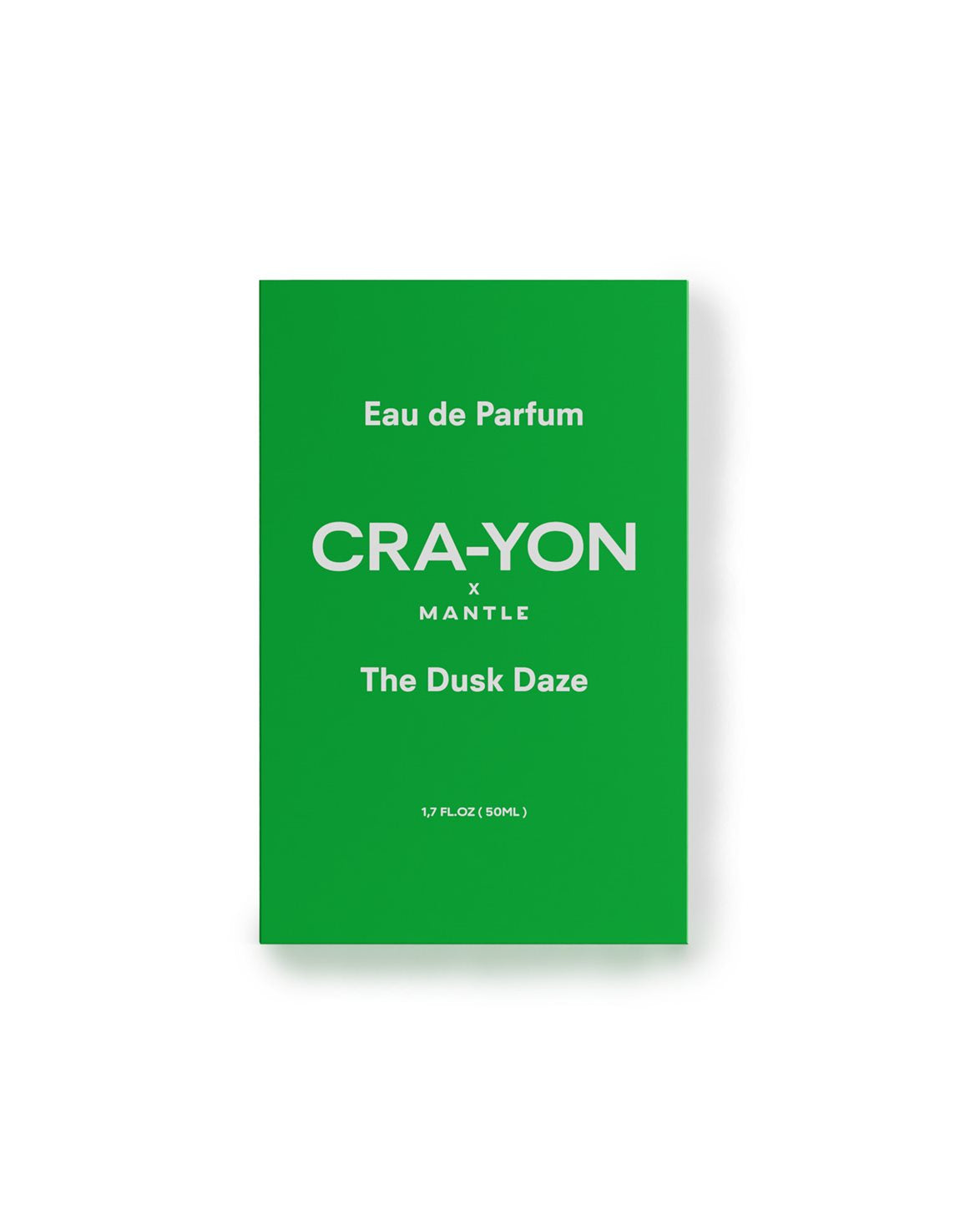


Perfumes
At Vallgatan 12, you’ll find a carefully curated selection of Fragrance from established and contemporary perfume houses, with scents ranging from fresh citrus and aromatic compositions to floral, woody, spicy, and ambery expressions. The selection includes different fragrance concentrations and compositions in which raw materials, notes, and the perfumer’s construction together shape the scent’s character and development on the skin.
Perfume is used to add fragrance to the skin and is a personal accessory whose expression changes over time after application. How a perfume is experienced is influenced by its composition and concentration, but also by factors such as skin, temperature, and humidity. The same scent may therefore develop slightly differently from person to person and from one occasion to another.
Fragrance is often classified according to the concentration of aromatic compounds in the fragrance composition. Eau de Cologne and Eau de Toilette generally have lower fragrance concentrations and are often perceived as lighter, while Eau de Parfum usually contains a higher concentration. Parfum, also known as extrait de parfum, is generally higher still. Exact concentrations vary between perfume houses and formulations, meaning that the designation alone does not determine how strong or long-lasting a specific scent will be. Raw materials, molecules, and the structure of the composition also affect the scent’s projection and longevity.
A perfume composition is traditionally described through top notes, heart notes, and base notes. Top notes are the scent impressions that emerge first after application and often consist of more volatile components. As these subside, the heart notes become more distinct and form a central part of the scent’s character. Base notes develop more slowly and often consist of less volatile fragrance materials that can remain on the skin for longer. This classification serves as a way to describe the development of a scent, but modern perfumes do not always follow a clearly defined pyramid structure.
Fragrance families are used to categorize perfumes according to their predominant character. Citrus-based scents may contain notes such as bergamot, lemon, and mandarin, while floral compositions are often built around rose, jasmine, iris, or white flowers. Woody perfumes may contain cedarwood, sandalwood, vetiver, or patchouli, and aromatic compositions often use herbs and green notes. Ambery and spicy scents may be built around ingredients such as vanilla, resins, balsams, and spices. Many modern perfumes combine elements from several fragrance families and allow contrasts between different notes to define the composition.
Perfume usually consists of a combination of aromatic compounds, alcohol, and other components that stabilize and carry the scent. The aromatic compounds may be of natural or synthetic origin. Natural perfume materials are produced, among other methods, through the distillation, extraction, or pressing of plant material, while synthetically produced fragrance molecules can recreate substances found in nature or create scent characteristics that cannot be extracted directly from natural raw materials. Modern perfume-making often combines natural and synthetic components to build a specific scent profile.
Details such as projection, sillage, and longevity describe different aspects of how a perfume behaves after application. Projection refers to how far from the skin the scent can be perceived, while sillage describes the trail of scent left behind by the wearer. Longevity indicates how long the scent can be perceived on the skin. These properties are influenced not only by the perfume’s concentration but also by its composition, the amount applied, the skin, and the surrounding temperature.
Perfume can be worn year-round, but temperature and climate affect how a composition develops and is experienced. Heat increases the evaporation of fragrance materials and can make a perfume more pronounced, while lower temperatures often result in slower development. Fresh citrus, green, and lighter aromatic compositions are often associated with warmer months, while woody, spicy, and ambery scents are traditionally used more during autumn and winter. These classifications are not fixed, however, and the choice of perfume is largely guided by personal preference and the desired scent character.
To preserve the perfume’s original character, the bottle should be stored in a cool, dry place protected from direct sunlight and major temperature fluctuations. Prolonged exposure to heat, light, and air can accelerate changes in the scent’s components. Bathroom is therefore not always the most suitable storage location because of recurring variations in temperature and humidity. The bottle should be kept tightly closed when not in use and preferably stored upright in its original packaging or in a dark place.
Vallgatan 12’s selection of Fragrance includes compositions in which fragrance families, concentrations, and raw materials create different characters and developments on the skin. From fresh and aromatic scents to floral, woody, spicy, and ambery compositions, the selection offers perfumes with varying intensity, structure, and scent profiles.